
Almost every visitor to a large park experiences it from a road, and the road was placed where construction was feasible. That single fact shapes both public perception of the park and the ecology of the corridor itself.
Routing followed terrain, not habitat
Park roads were laid out along valleys, river terraces and gentle gradients, because those were the alignments that could be built and maintained affordably.
Valley bottoms and riparian strips are also the most productive habitat in most landscapes, so roads occupy the areas wildlife uses most heavily.
Scenic engineering added to this, with routes deliberately taken past viewpoints and along lake shores, which concentrated infrastructure in the most sensitive locations.
What visitors therefore see
Because the road defines access, public understanding of a park is assembled from a narrow corridor and a small number of stopping points.
Areas without road access receive very few visitors regardless of their interest, and their condition is largely unknown to the people who fund the park.
This affects management politics, since proposals concerning places nobody has seen attract little support relative to those affecting familiar viewpoints.
The corridor's own ecology
Verges are mown, salted in winter in some regions, and colonised by plants that spread along disturbed ground, so roadside vegetation differs from the interior.
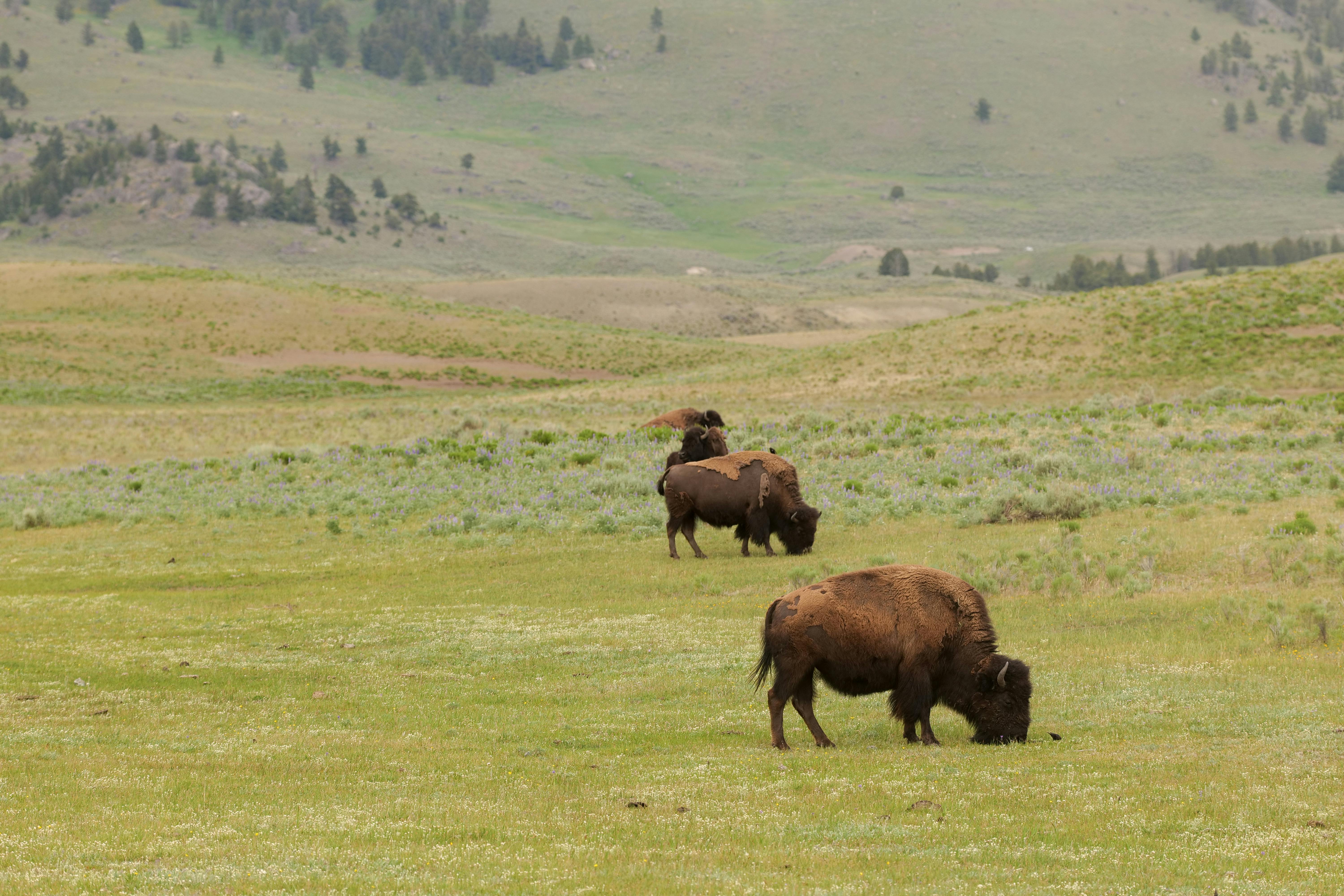
Grazing animals are drawn to that vegetation and to the salt, which brings them alongside traffic and raises collision rates.
Carrion from collisions then attracts scavengers onto the carriageway, producing a secondary round of mortality among eagles, bears and coyotes.
Noise and behaviour
Traffic noise extends well beyond the roadway itself, reducing the distance over which birds and mammals can hear calls and detect approaching predators.
Some species avoid a zone either side of a busy road entirely, which effectively removes habitat that remains physically intact.
Others habituate and become dependent on roadside conditions, including bears attracted to food waste, which typically ends in the animal's removal.
How parks respond
Seasonal closures protect sensitive periods, particularly denning and calving, and they are among the least expensive interventions available.
Speed limits, wildlife crossings and roadside fencing reduce collisions, while shuttle systems cut traffic volume without removing access.
Some parks have chosen not to extend roads into remaining roadless areas, accepting that a large share of the park will be experienced by very few people, which is itself a management decision about what a park is for.