
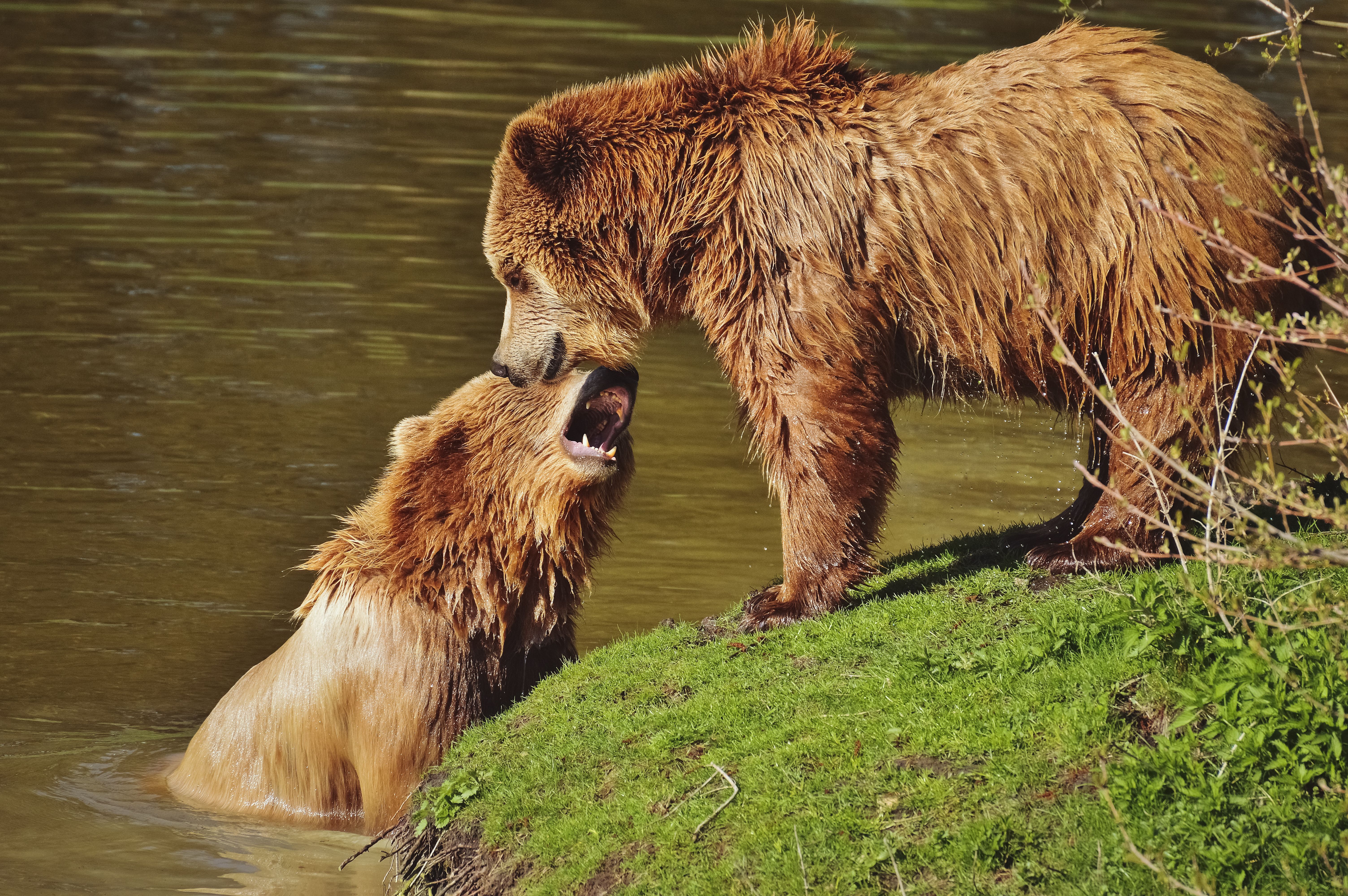
Equipment discussion dominates wildlife photography, and the images that stand out are rarely explained by the gear used. What separates them is usually how long the photographer stayed.
Behaviour cannot be arranged
A sharp portrait of a resting animal is achievable in a short visit, and it is also the image that thousands of other photographers already have.
Interaction, hunting, courtship and conflict happen unpredictably and briefly, and being present for them is largely a function of hours spent watching.
Photographers who work a single subject over days learn its routine, which converts unpredictability into a reasonable estimate of where to be and when.
Animals adjust to a stationary presence
Wild animals treat an approaching human as a threat and a stationary one as a feature of the environment, provided nothing changes for long enough.
The behaviour that returns once an animal stops monitoring the photographer is different in kind, not degree, from what is visible during an approach.
This is why hides, vehicles and floating platforms work. They present a consistent shape that animals habituate to rather than a figure that keeps advancing.
Position is decided before the moment
Light direction, background and eye level are settled by where the photographer sits, and none can be corrected once the subject appears.
Shooting from a low position separates a subject from clutter and produces the clean backgrounds usually attributed to expensive lenses.
Waiting in the right place with modest equipment therefore beats arriving at the wrong place with the best available, and the gap widens as the subject becomes more active.
What better equipment does buy
Faster autofocus and higher frame rates raise the proportion of usable frames from a sequence, which matters for flight and fast action.
Longer lenses allow greater working distance, which reduces disturbance and is a welfare consideration as much as a technical one.
Better low-light performance extends the working day at dawn and dusk, when much of the activity worth photographing actually occurs.
Where the real constraint sits
Fieldcraft, meaning knowledge of the species, the terrain and the wind, determines whether a photographer is in a position to use any of that capability.
Guides and researchers routinely predict behaviour that visiting photographers miss entirely, and that knowledge transfers faster than technical skill.
The practical consequence is that time spent learning a single local site usually produces stronger work than travelling widely with better equipment.