
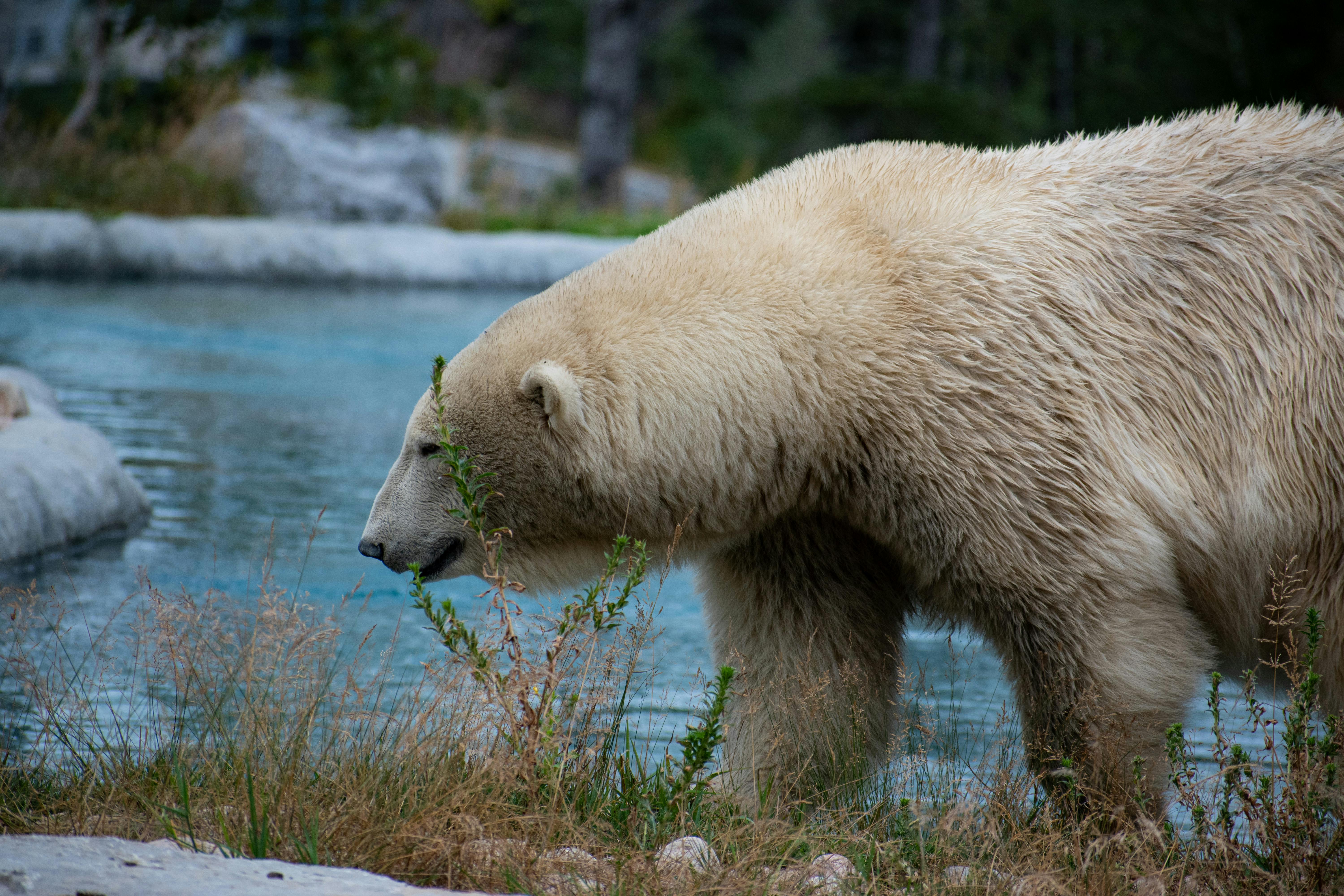
Telephoto wildlife images appear to stack the background against the subject, and the effect is usually attributed to the lens. The cause is where the photographer is standing, and knowing that makes it controllable.
What compression looks like
In a compressed image, distant hills appear larger relative to the subject than they do to the eye, and the space between elements seems reduced.
Wide-angle images do the reverse, pushing backgrounds away and exaggerating the distance between foreground and background.
Both effects are strong enough that the same scene photographed at different focal lengths appears to have different geography.
Distance is doing the work
Relative size in an image depends only on the ratio of distances from the camera to each object, which is a matter of position rather than optics.
A long lens is normally used from far away, and at that distance the difference between the subject's distance and the background's distance is proportionally small.
Photograph from the same spot with a wide lens and crop to the same framing, and the perspective is identical. The lens changed the magnification, not the relationship.
Why it matters for backgrounds
Because perspective follows position, background choice is made by moving rather than by changing lenses.
Stepping sideways can replace a cluttered background with clean vegetation, and dropping lower can substitute distant hillside for nearby ground.
Working further back and using a longer lens enlarges the background elements, which is how a distant ridge becomes a wash of colour behind a subject.
Depth of field is a separate matter
Background blur depends on aperture, focal length, subject distance and the distance to the background, and it is often confused with compression.
A long lens close to a subject with a very distant background produces the strongest blur, which is why background distance is worth managing deliberately.
Compression and blur therefore respond to different variables, and an image can show one strongly while showing little of the other.
Practical consequences in the field
Long lenses also magnify heat haze, atmospheric particles and camera shake, so working distance imposes costs alongside the compositional benefit.
Shooting across shorter distances of ground, or from a slightly elevated position, reduces the amount of hot air the light passes through.
The general rule is to choose the position first for perspective and background, then select focal length for framing, which reverses how most photographers approach a subject.