
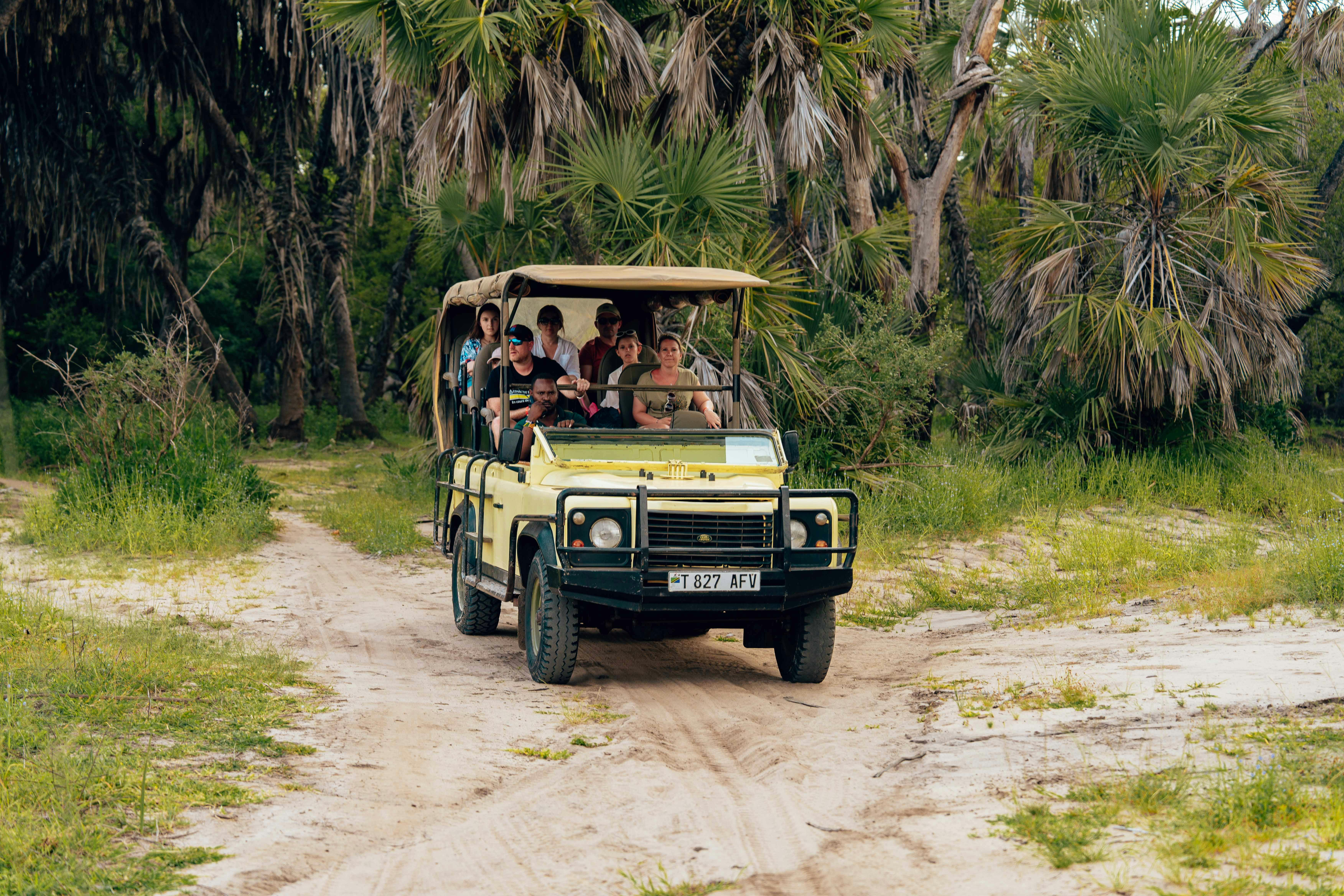
Safari itineraries put visitors in vehicles before sunrise and again in late afternoon, with a long gap in between. The timing follows animal physiology closely, and the middle of the day is genuinely unproductive.
Heat sets the activity pattern
Large mammals generate substantial internal heat and shed it slowly, so activity in high temperatures risks overheating faster than the body can compensate.
Most respond by resting through the hottest hours in shade, reducing movement and metabolic output until conditions ease.
Predators face this most acutely, since hunting is intense exertion, which is why lions spend a large share of daylight lying still.
Why predators favour low light
Many carnivores have a reflective layer behind the retina that returns light through the photoreceptors a second time, improving vision in dim conditions.
That advantage is greatest at dawn, dusk and night, when their prey sees comparatively poorly, so hunting success rises in those windows.
Kills therefore cluster around the edges of the day, and the aftermath, including feeding and scavengers arriving, is what morning drives are timed to catch.
Light is also better for seeing
Low sun produces warmer light and long shadows that reveal texture, whereas overhead midday sun flattens everything and blows out contrast.
Heat haze compounds this, since air rising from hot ground distorts anything viewed at distance through a long lens.
Dust and humidity settle overnight, so visibility across open country is usually at its clearest in the first hour after sunrise.
What the midday break is for
The gap is not idle scheduling. Vehicles return to camp because sightings become sparse and the conditions are uncomfortable for passengers as well as animals.
Some camps use the period for walking safaris in shaded riverine areas, or for hides overlooking waterholes where animals still arrive to drink.
Guides also use the time to service vehicles and share sighting information, which is how the afternoon drive is planned rather than improvised.
Where the pattern differs
In cool seasons and at higher altitude, animals remain active through much of the day and the midday collapse in sightings is far less pronounced.
Rain changes it again, since overcast conditions extend activity and many species move more freely when temperatures stay low.
Night drives, permitted in some reserves, reach a different set of species altogether, including genets, civets, bushbabies and hunting leopards that daylight schedules never encounter.