
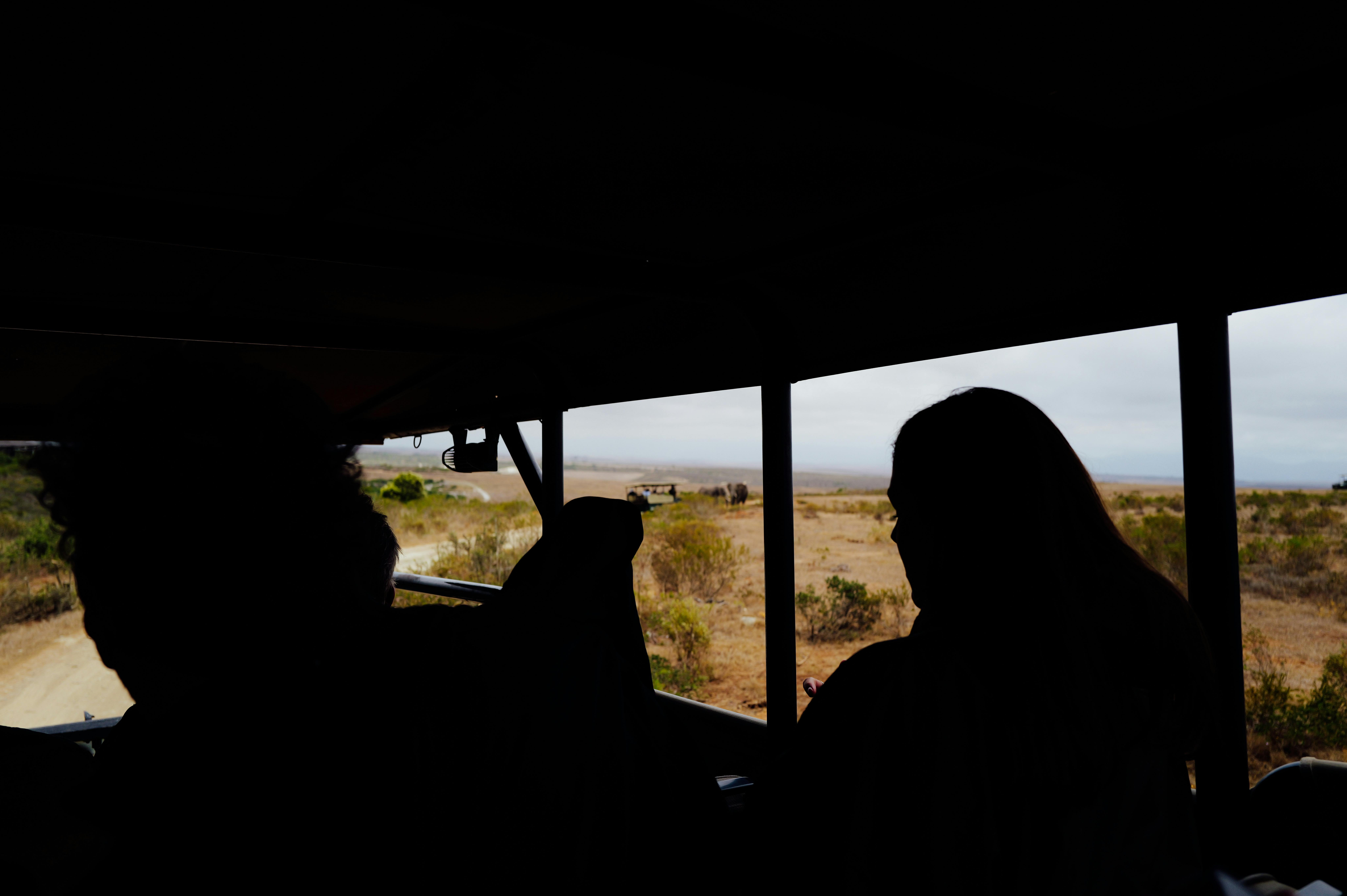
Most safari marketing points at the dry months, when animals gather at water and grass is short. The wet season is a genuinely different experience rather than a degraded version of the same one.
Why sightings become harder
Rain fills temporary pans across a reserve, so animals no longer need to travel to permanent water and disperse widely instead.
Grass grows tall and quickly, hiding smaller species entirely and reducing the distance at which anything can be seen from a vehicle.
Tracks soften, and some roads become impassable, which restricts the area a drive can cover and occasionally strands vehicles for hours.
What arrives with the rain
Many herbivores time calving to the wet season, when nutritious new grass supports lactation, so the plains hold large numbers of very young animals.
Predators concentrate around those births, and hunting success rises, which produces a different balance of activity from the waterhole ambushes of the dry months.
Migratory birds arrive in numbers, many in breeding plumage, and resident species begin displaying, which makes the period substantially better for birding than the dry season.
The conditions favour photography
Dust settles after rain, so air clarity improves markedly and long lenses resolve distant subjects that would be lost to haze in dry months.
Storm systems produce dramatic skies and shafts of directional light, and the landscape is green rather than uniformly brown.
Rain also washes animals clean, and coats photograph with detail that dust-covered dry-season animals do not show.
What changes about the trip itself
Visitor numbers fall sharply, so sightings are shared with fewer vehicles and camps operate at low occupancy.
Rates drop accordingly, and some camps close entirely, which concentrates the remaining guests in a smaller number of properties.
Insects increase, particularly mosquitoes, and humidity is high, so the physical experience is less comfortable than the dry season regardless of what is seen.
Where the choice actually lies
A first safari focused on seeing the largest species reliably is generally better served by the dry season, since the odds are simply higher.
Repeat visitors, birders and photographers frequently prefer the green season for behaviour, light and the absence of crowds.
Regional variation matters more than the general rule, since rainfall patterns differ across the continent and the same calendar month means different things in different reserves.