
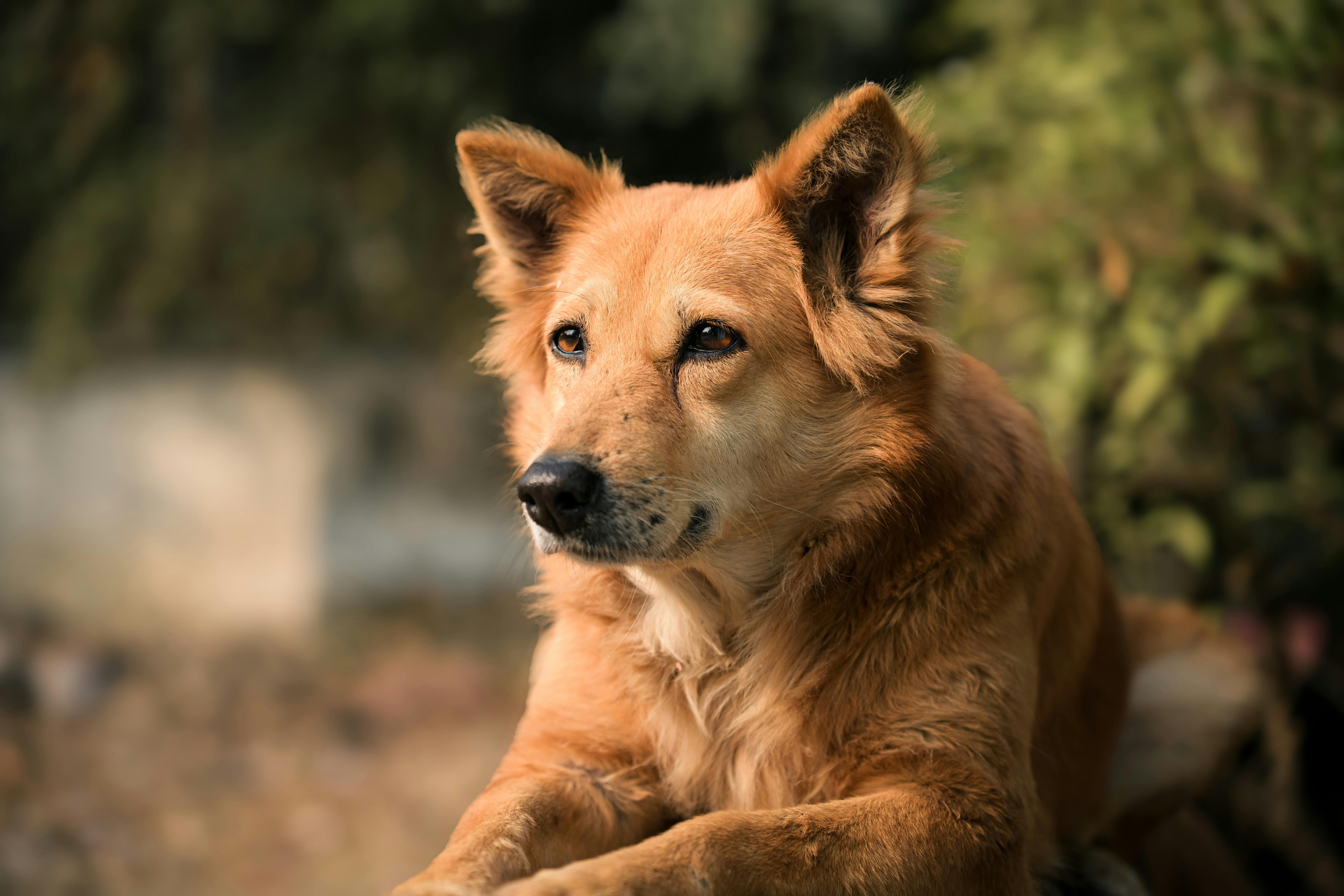
Domesticated animals from several unrelated groups share a set of physical features their wild relatives lack. The repetition across species suggests a common underlying cause rather than parallel human preference.
The recurring pattern
Domesticated mammals frequently show white patches in the coat, floppy or reduced ears, shortened muzzles, smaller teeth and curled tails.
Many also breed more often through the year than their wild relatives, and retain juvenile behaviours such as play and vocalisation into adulthood.
These traits appear in dogs, pigs, cattle, horses, rabbits and others, despite those species having been domesticated separately for different purposes.
The fox experiment
A long-running programme selected silver foxes solely for reduced fear of humans, with no selection on appearance whatsoever.
Within relatively few generations the tame line began showing white face markings, floppy ears, curled tails and shortened muzzles.
Since appearance was never selected, the result indicates that these traits are linked to tameness through shared developmental machinery rather than being chosen independently.
A proposed developmental link
One influential explanation involves a population of embryonic cells that migrates through the developing body and contributes to several apparently unrelated structures.
Those structures include parts of the adrenal glands, which govern fear responses, along with pigment cells, ear cartilage, jaw and tooth development.
Mild reduction in that cell population would produce a calmer animal alongside white patches, softer ears and a shorter face, which matches the observed set.
Where the explanation is contested
The account is elegant, and researchers have questioned both the completeness of the trait list and how consistently it appears across species.
Some have also argued that the foxes used in the experiment were not fully wild at the outset, which complicates interpretation of how quickly change occurred.
Domestication histories differ too, and traits selected deliberately for meat, milk or work overlay whatever the tameness pathway contributed.
What changed beyond appearance
Brain size relative to body size is reduced in most domesticated species compared with their wild ancestors, particularly in regions associated with processing sensory information and assessing threat.
That reduction is consistent with an environment where predators are absent and food is supplied, since maintaining nervous tissue is metabolically expensive and unused capacity is not retained.
Stress responses are blunted in parallel, with domesticated animals showing lower hormonal reaction to handling and confinement than wild relatives held under identical conditions.
Digestive changes follow diet, and several domesticated species carry expanded capacity for digesting starch, reflecting long association with human food waste and agriculture.