
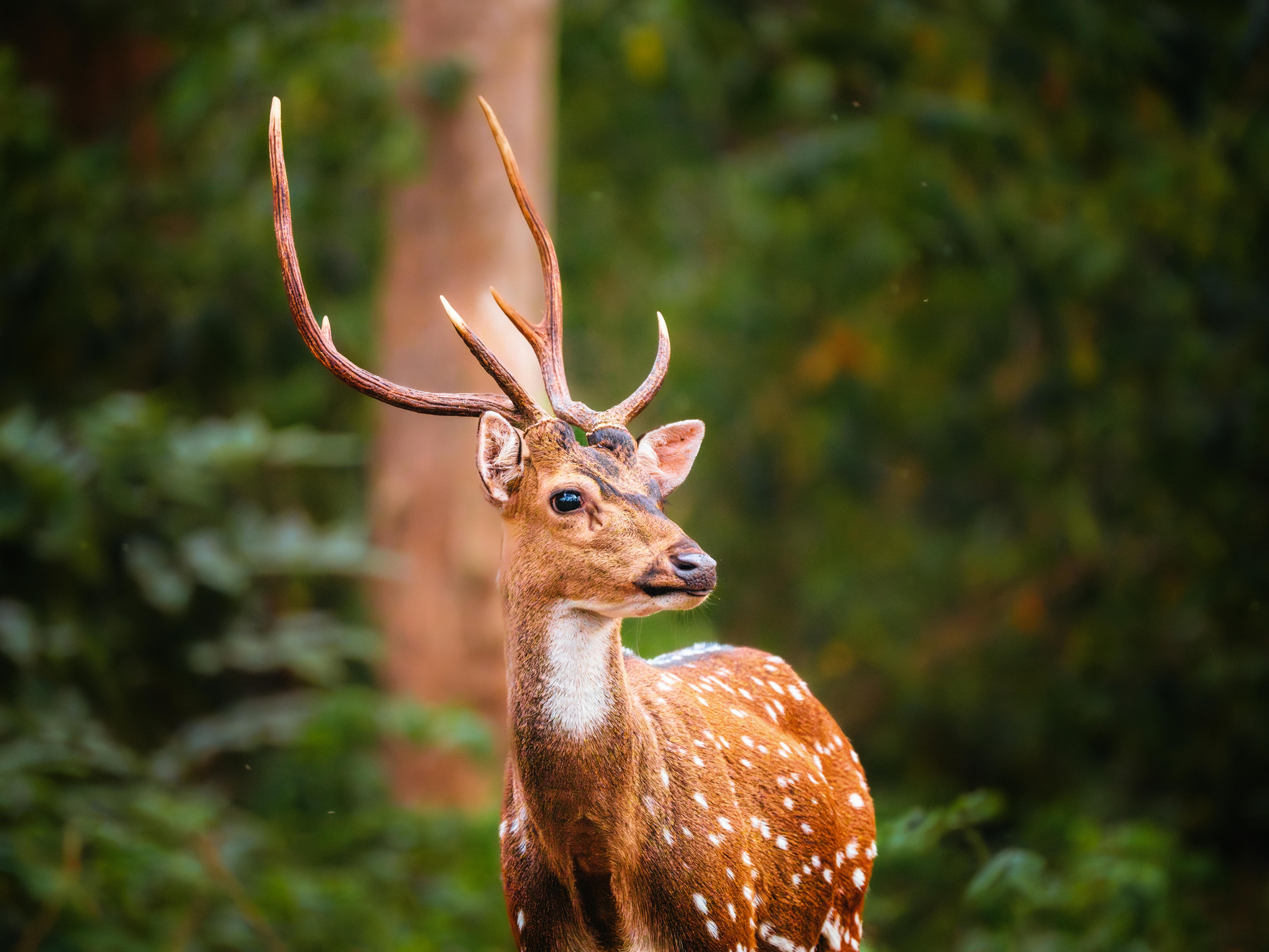
Dive into the groundbreaking world of AI-powered wildlife photography in 2026. Discover how intelligent cameras, advanced software, and ethical practices are transforming how we capture nature's most elusive moments. Get ready for expert reviews, essential gear comparisons, and tips to elevate your conservation photography efforts and secure those once-in-a-lifetime shots.
Introduction to the Topic
For decades, wildlife photography has been a delicate dance of patience, skill, and a dash of luck. From the heavy, manual focus lenses of yesteryear to the rapid-fire digital SLRs of the early 2000s, photographers have constantly sought an edge in capturing the fleeting beauty of the natural world. Fast forward to 2026, and we're witnessing the most transformative shift yet: the integration of Artificial Intelligence (AI). AI isn't just a buzzword; it's a game-changer, fundamentally altering how we approach, capture, and process images of wild animals. This isn't about replacing the photographer's eye, but empowering it with unprecedented capabilities, making the impossible, possible.
The challenges in wildlife photography are immense: unpredictable subjects, low-light conditions, dense foliage, and the sheer speed of nature's inhabitants. AI, in its various forms, is stepping in to mitigate these hurdles, offering solutions that were once confined to science fiction. From hyper-intelligent autofocus systems that lock onto a bird's eye from hundreds of meters away, to noise reduction algorithms that breathe life into high-ISO shots, AI is making professional-grade results more accessible while simultaneously pushing the boundaries of what seasoned pros can achieve. This article will explore the cutting-edge AI technologies shaping wildlife photography in 2026, helping you navigate the exciting new landscape of gear and software, and ensuring your purchasing decisions are as informed as your photographic vision.
Backgrounds & Facts
The journey of AI in photography began subtly, with features like face detection and basic scene recognition. However, by 2026, AI's capabilities have matured dramatically, especially for specialized fields like wildlife. Here's how AI is fundamentally integrated:
- Advanced AI Autofocus & Tracking: This is arguably the most impactful application. Modern mirrorless cameras now boast AI-trained autofocus systems capable of identifying and tracking specific animal species (birds, mammals, reptiles) with incredible accuracy, even through obstructions or in complex environments. These systems predict movement patterns, ensuring subjects remain in sharp focus even during erratic bursts of action.
- Computational Photography: AI algorithms are now stitching together multiple frames to enhance dynamic range, reduce noise, and even 'denoise' images captured at incredibly high ISOs, far beyond what traditional noise reduction could achieve. This means cleaner, more detailed images in challenging low-light scenarios, allowing photographers to shoot longer and capture more nuanced scenes.
- Image Upscaling & Sharpening: AI-powered software can intelligently upscale lower-resolution images without significant loss of detail, and even recover lost sharpness, proving invaluable for cropping aggressively or preparing images for large prints.
- AI-Powered Camera Traps & Remote Systems: Beyond handheld cameras, AI is revolutionizing remote photography. Smart camera traps can now differentiate between species, trigger only for target animals, and even upload data in real-time for conservation monitoring, minimizing false triggers and maximizing efficiency in remote locations.
- Ethical Considerations & Authenticity: With great power comes great responsibility. The rise of AI also brings discussions around authenticity. While AI aids in capturing and enhancing images, ethical guidelines are evolving to ensure that AI-generated or heavily manipulated content is clearly disclosed, maintaining the integrity of wildlife photography as a tool for observation and conservation.
These advancements mean less time struggling with technical settings and more time focusing on composition, light, and the animal's behavior. It allows for shots that were previously impossible due to human reaction times or technological limitations, opening new creative avenues for both amateur enthusiasts and seasoned professionals.
Expert Opinion / Analysis
We sat down with Dr. Anya Sharma, a renowned wildlife photographer and conservation technologist, to get her insights on AI's role in 2026. "The shift is monumental," Dr. Sharma explains. "For years, I'd miss crucial moments because my autofocus couldn't lock fast enough on a bird in flight, or the noise in a low-light shot rendered it unusable. Now, my camera anticipates the movement, and AI software cleans up the image almost perfectly. It's like having a co-pilot that understands the nuances of wildlife behavior."
Dr. Sharma emphasizes that AI isn't a replacement for skill, but an amplification. "The art of composition, understanding animal behavior, and knowing your light are still paramount. AI simply removes technical barriers, allowing us to focus more on the narrative and the emotion of the shot. It's democratizing access to high-quality wildlife imagery, which is fantastic for conservation efforts. More compelling images mean more engagement."
However, she also cautions against over-reliance. "There's a fine line. We must ensure AI is used as a tool to capture reality, not to fabricate it. The ethical use of AI in post-processing, especially when it comes to adding or removing elements, is a critical discussion point in 2026. The TamingTiger.com community, along with major photographic organizations, is actively working on guidelines to maintain the integrity and trust in wildlife photography." She advises photographers to invest not just in AI gear, but also in workshops focusing on ethical practices and advanced AI integration, ensuring they harness its power responsibly. "The goal is to enhance our connection with nature, not to create artificial realities."
💰 Best Options in Comparison (VERY IMPORTANT)
Navigating the AI-powered wildlife photography market in 2026 can be daunting. We've handpicked some of the leading cameras, software, and accessories that integrate AI to give you an unparalleled edge. Whether you're looking to buy your first AI-enhanced kit or upgrade your existing setup, these options offer the best blend of performance, features, and value.
Top AI-Enhanced Mirrorless Cameras
- Canon EOS R10 AI (2026 Edition): Building on its predecessors, the R10 AI features Canon's revolutionary 'Bio-Tracker' AI autofocus, capable of identifying over 50 animal species and accurately predicting their movement patterns in real-time. Its 45MP sensor and enhanced in-body image stabilization (IBIS) work synergistically with AI-powered noise reduction for stunning low-light performance. Ideal for fast-action wildlife, offering superb value for its advanced features.
- Sony Alpha A9 III Pro: The professional's choice, the A9 III Pro pushes boundaries with its global shutter and 'Predator-Eye' AI AF system, offering blackout-free shooting at incredible speeds (up to 120fps with full AF/AE tracking). Its AI processing unit also enhances dynamic range and color accuracy, making it perfect for capturing critically sharp images of even the most elusive subjects in diverse lighting conditions.
- Nikon Z9 X-Vision: Nikon's flagship for 2026, the Z9 X-Vision boasts a 61MP stacked sensor and a 'Nature-Sense' AI engine that not only identifies animals but also analyzes environmental factors (like foliage density and light direction) to optimize exposure and focus. Its robust build and extensive customization options make it a favorite for expeditions and harsh environments.
Essential AI Software Suites
- WildLens AI Suite 3.0: This dedicated wildlife photography software offers unparalleled AI noise reduction, intelligent sharpening, and an innovative 'Habitat Reconstruction' tool that can subtly enhance backgrounds without affecting the subject. It also includes an advanced animal classification system for metadata tagging.
- Adobe Lightroom Pro AI 2026: Adobe continues to integrate powerful AI features, including 'Generative Fill' for seamless background extensions (use ethically!), advanced content-aware healing, and AI-driven preset recommendations based on your image content. Its cloud integration makes workflow smooth for professionals.
- Topaz Photo AI 4.0: A standalone powerhouse, Topaz Photo AI excels at image enhancement. Its 'Autopilot' mode intelligently applies noise reduction, sharpening, and upscaling, often yielding results superior to in-camera processing, making it a must-have for refining your best shots.
Specialized AI Accessories & Services
- Bushnell Core DS-4K AI+ Trail Camera: For remote monitoring, this trail camera uses AI to differentiate between human, vehicle, and various animal movements, significantly reducing false triggers. It captures stunning 4K video and high-resolution stills, making it perfect for long-term observation or scouting locations.
- Drone-mounted AI Tracking Systems (e.g., DJI Mavic 5 Pro Wildlife Edition): Equipped with advanced obstacle avoidance and 'Animal Follow' AI, these drones offer a revolutionary way to capture aerial perspectives ethically, maintaining safe distances while providing incredibly stable and cinematic footage. (Always check local drone regulations!)
- TamingTiger.com AI Workflow Workshops: Book our exclusive 2026 workshops, designed to teach you how to integrate AI into your entire wildlife photography workflow, from camera settings to ethical post-processing. Learn to maximize your new gear's potential!
Comparison Table: Top AI Wildlife Photography Gear & Software (2026)
| Product/Service | Key AI Feature | Best For | Price Range (USD) | TamingTiger.com Rating |
|---|---|---|---|---|
| Canon EOS R10 AI | Bio-Tracker AF (50+ species) | Fast-action, all-around wildlife | $2,800 - $3,500 (body) | ★★★★★ |
| Sony Alpha A9 III Pro | Predator-Eye AF, Global Shutter | Professional sports & wildlife, speed | $6,000 - $7,500 (body) | ★★★★★ |
| Nikon Z9 X-Vision | Nature-Sense AI Engine, 61MP | Expeditions, high-resolution detail | $5,500 - $6,800 (body) | ★★★★★ |
| WildLens AI Suite 3.0 | Noise/Sharpening, Habitat Reconstruction | Dedicated post-processing, image enhancement | $199 (one-time) / $19.99 (monthly) | ★★★★☆ |
| Adobe Lightroom Pro AI 2026 | Generative Fill, Content-Aware Healing | Comprehensive editing, cloud workflow | $9.99 - $19.99 (monthly subscription) | ★★★★☆ |
| Topaz Photo AI 4.0 | Autopilot Noise/Sharpen/Upscale | Ultimate image refinement, standalone | $199 (one-time) | ★★★★☆ |
| Bushnell Core DS-4K AI+ | Species-specific motion detection | Remote monitoring, scouting, conservation | $350 - $450 | ★★★★☆ |
| TamingTiger.com AI Workshops | Practical AI integration, ethical training | Skill development, responsible AI use | $499 - $1,200 (per workshop) | ★★★★★ |
Outlook & Trends
The trajectory of AI in wildlife photography is only just beginning. Looking ahead, we can anticipate several exciting trends by the end of the decade:
- Predictive Storytelling: Future AI systems might not just identify animals but also predict their likely behavior based on environmental cues and historical data, suggesting optimal camera positions or lens choices to capture specific interactions.
- Hyper-Realistic Virtual Scouting: Imagine using AI to generate realistic 3D models of potential shooting locations based on satellite data and historical animal movement, allowing photographers to virtually scout and plan their shots without disturbing the environment.
- Real-time Conservation Intelligence: AI-powered cameras, especially remote traps, will become integral to conservation efforts, providing real-time data on species populations, health, and even detecting poaching activities with higher accuracy, directly aiding ecological research and protection.
- Personalized Learning AI: Cameras and software will learn from your shooting style and preferences, adapting their AI algorithms to better suit your unique vision, becoming truly personalized photographic assistants.
- Augmented Reality Viewfinders: AR overlays in viewfinders could provide real-time information about subjects, such as species identification, distance, and even optimal focus points, enhancing situational awareness.
As these technologies evolve, the line between human skill and machine assistance will continue to blur, fostering a new era of creativity and discovery in the wild. The emphasis will increasingly be on the photographer's ability to leverage these tools ethically and artistically to tell compelling stories about our planet's precious biodiversity.
Conclusion
The year 2026 marks a pivotal moment in wildlife photography, with Artificial Intelligence leading the charge in innovation. From intelligent autofocus systems that anticipate a predator's strike to software that breathes life into challenging low-light images, AI is not just enhancing our tools; it's expanding our capabilities and redefining the very essence of what's possible in the field. This technological revolution empowers photographers to capture more breathtaking, impactful, and technically superior images than ever before, fostering a deeper connection with nature and bolstering vital conservation efforts.
Embracing AI in wildlife photography means more than just buying the latest gear; it means adopting a new mindset that values both technological prowess and ethical responsibility. The best options highlighted in this guide – from the advanced Canon EOS R10 AI to the indispensable WildLens AI Suite – represent the pinnacle of current innovation, poised to transform your photographic journey. As you consider your next investment, remember that these tools are designed to augment your vision, allowing you to focus on the artistry and the profound stories waiting to be told in the wild.
Ready to future-proof your wildlife photography? Explore our detailed reviews, compare the top AI-powered cameras and software, and consider booking one of our exclusive TamingTiger.com AI Workflow Workshops to master these groundbreaking techniques. The future of untamed vision is here – seize it!