
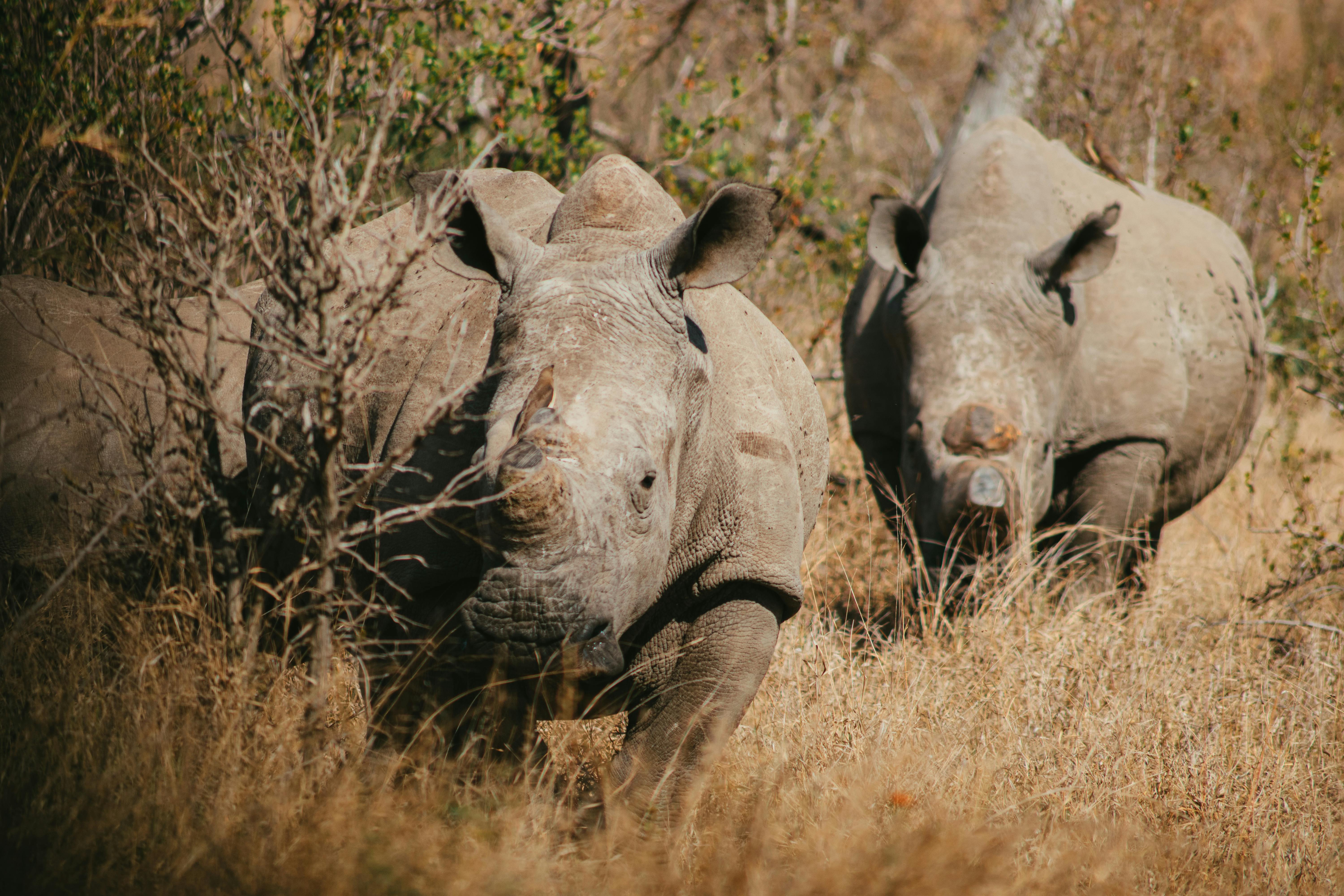
Discover how biodiversity credits and nature-based solutions are transforming conservation finance in 2026. Learn about lucrative investment opportunities, compare leading platforms, and secure a sustainable future for both your portfolio and the planet. Explore options for direct credit purchases, impact funds, project development, and regenerative travel.
Introduction to the Topic
The year is 2026, and the planet faces an undeniable crisis: biodiversity loss. While climate change rightly dominates headlines, the rapid decline of species and degradation of vital ecosystems presents an equally urgent, yet often underfunded, challenge. For decades, conservation relied primarily on philanthropic donations and government grants. But a powerful new paradigm is emerging, one that marries ecological imperative with economic opportunity: Biodiversity Credits and Nature-Based Solutions (NBS). These innovative financial instruments are not just buzzwords; they represent a seismic shift in how we fund conservation, offering a tangible path for corporations, investors, and even individuals to contribute to a nature-positive future while potentially realizing significant financial returns. As global regulations tighten and consumer demand for ethical practices soars, understanding and engaging with this burgeoning market is no longer optional – it's a strategic imperative for a resilient portfolio and a healthy planet.
Backgrounds & Facts
The statistics are stark. The IPBES Global Assessment Report warns that one million species are at risk of extinction, with devastating implications for ecosystem services vital to human survival – from clean air and water to pollination and climate regulation. Traditionally, the funding gap for biodiversity conservation has been astronomical, estimated to be hundreds of billions of dollars annually. This is where market-based mechanisms like biodiversity credits step in.
So, what exactly are biodiversity credits? Unlike carbon credits, which measure avoided or removed greenhouse gas emissions, biodiversity credits quantify and verify positive outcomes for biodiversity. This can include the restoration of critical habitats, the protection of endangered species, or the enhancement of ecosystem health (e.g., soil regeneration, water quality improvement). These credits are generated by carefully designed conservation projects, often involving local communities, and are then sold to entities looking to offset their biodiversity footprint, meet ESG targets, or simply invest in natural capital.
Nature-Based Solutions (NBS) serve as the foundational framework for many of these projects. NBS encompasses actions to protect, sustainably manage, and restore natural or modified ecosystems, which address societal challenges effectively and adaptively, while simultaneously providing human well-being and biodiversity benefits. Examples range from large-scale reforestation and wetland restoration to sustainable agriculture practices and urban greening initiatives. The market for NBS is experiencing exponential growth, driven by increasing corporate commitments to the Taskforce on Nature-related Financial Disclosures (TNFD) recommendations and evolving regulatory landscapes, such as the EU Taxonomy for sustainable activities.
Analysts project the voluntary biodiversity credit market alone to reach tens of billions by the end of the decade, with significant growth in compliance markets expected as governments worldwide implement "net positive" or "no net loss" biodiversity policies. This growth is underpinned by advanced monitoring technologies, including AI-powered satellite imagery, eDNA sequencing, and IoT sensors, which enhance the transparency and verifiability of conservation outcomes, bolstering investor confidence.
Expert Opinion / Analysis
"We are witnessing the maturation of natural capital markets," states Dr. Anya Sharma, CEO of TerraVerde Analytics, a leading firm specializing in ecological economics. "Five years ago, biodiversity credits were largely theoretical. Today, they are a tangible asset class, attracting serious institutional capital. The challenge, and opportunity, lies in robust standardization and ensuring genuine additionality – that the conservation gains wouldn't have happened otherwise."
Indeed, while the potential is immense, the market is not without its complexities. Investors must navigate diverse methodologies for quantifying biodiversity, varying project risks, and the ever-present concern of 'nature-washing.' Dr. Sharma emphasizes, "Due diligence is paramount. Look for projects with clear baselines, rigorous monitoring, independent verification by reputable bodies (e.g., ICVCM-aligned standards for carbon, or emerging biodiversity-specific frameworks), and strong community engagement. The best projects offer not just ecological returns, but also significant social co-benefits."
The shift from a purely philanthropic model to a market-driven one is revolutionary. It incentivizes landowners, indigenous communities, and conservation organizations to actively restore and protect ecosystems by creating new revenue streams. For corporations, investing in biodiversity credits or implementing NBS can mitigate operational risks, enhance brand reputation, meet regulatory requirements, and future-proof supply chains against nature-related disruptions. For individual investors, it offers a chance to diversify portfolios with assets that are increasingly decoupled from traditional market volatility, while contributing directly to urgent global conservation goals.
💰 Best Options in Comparison (VERY IMPORTANT)
For those looking to enter the burgeoning biodiversity and nature-based solutions market in 2026, a range of options exists, catering to different investment goals, risk appetites, and levels of engagement. Whether you're a corporate entity seeking to offset your footprint, an institutional investor aiming for impact and returns, or an individual wanting to make a tangible difference through experience, there's a pathway for you.
- Direct Biodiversity Credit Purchases via Marketplaces: Ideal for corporations or high-net-worth individuals seeking specific biodiversity offsets or measurable impact. These platforms connect buyers directly with verified projects, offering transparency and a range of ecological outcomes to choose from.
- Specialized Biodiversity & NBS Investment Funds: For institutional investors, family offices, or even retail investors via ESG-focused ETFs. These funds offer diversified exposure to multiple projects, professional management, and often blend equity, debt, and credit investments in the natural capital space.
- Nature-Based Solution Project Development & Consultancy Firms: Best for landowners, agricultural businesses, or corporations looking to develop their own NBS projects, generate credits, or implement sustainable practices on their properties. These firms provide end-to-end services from feasibility studies to project implementation and credit verification.
- Certified Regenerative & Ecotourism Platforms: For individuals or small groups seeking to "purchase" conservation through immersive, high-impact travel experiences. These platforms connect travelers with verified eco-lodges, conservation tours, and community-led initiatives where a portion of the booking directly funds local biodiversity protection and restoration efforts.
To help you navigate these choices, here's a comparison of key factors:
| Option | Target User | Investment Type | Typical Entry Point | Direct Impact Visibility | Liquidity | Risk Level |
|---|---|---|---|---|---|---|
| Direct Credit Marketplaces | Corporates, HNWIs, Philanthropists | Purchase of verified credits | $5,000 - $1,000,000+ | High (specific project) | Moderate | Moderate (project-specific) |
| Biodiversity/NBS Funds | Institutional Investors, Family Offices, Retail (via ETFs) | Equity/debt in diversified portfolios | $1,000 (ETF) - $100,000,000+ (Fund) | Moderate (portfolio-level) | High (some funds) to Low (direct investments) | Moderate (diversified) |
| NBS Project Developers/Consultants | Landowners, Agriculture, Corporations | Service fees, project investment | $20,000 - $5,000,000+ | Very High (own project) | Low | Moderate to High (project-specific) |
| Regenerative & Ecotourism | Individuals, Small Groups | Booking travel services | $500 - $10,000+ (per trip) | Moderate (local projects) | N/A (service, not investment) | Low (tourism-related) |
Outlook & Trends
The trajectory for biodiversity credits and nature-based solutions in 2026 and beyond is one of rapid evolution and expansion. We can anticipate several key trends shaping this landscape:
- Harmonization of Standards: Expect greater alignment between various frameworks (e.g., TNFD, ICVCM, IUCN Nature-based Solutions Standard) to create more robust, globally recognized methodologies for quantifying and verifying biodiversity outcomes. This will reduce market fragmentation and boost investor confidence.
- Technological Leapfrogging: AI, machine learning, and blockchain will become indispensable. AI will process vast ecological datasets for predictive modeling and real-time monitoring of project impacts. Blockchain will provide immutable ledgers for credit issuance, tracking, and retirement, ensuring unparalleled transparency and preventing double-counting.
- Regulatory Mandates & Compliance Markets: While voluntary markets currently dominate, a strong push towards mandatory biodiversity offsets or "net positive" requirements is anticipated in major economies. This will create compliance markets, significantly increasing demand and potentially prices for high-quality credits.
- Mainstreaming Indigenous Knowledge: There will be a growing recognition and integration of Indigenous Peoples and Local Communities (IPLCs) as stewards of biodiversity. Projects that genuinely partner with and empower IPLCs, ensuring equitable benefit-sharing, will gain significant traction and premium pricing.
- Blended Finance & Public-Private Partnerships: Governments and multilateral development banks will increasingly leverage public funds to de-risk private investments in NBS, fostering large-scale projects that would otherwise be too capital-intensive for private entities alone.
Conclusion
The era of biodiversity credits and nature-based solutions is here, offering a compelling opportunity to address one of humanity's most pressing challenges while simultaneously building value. In 2026, these green investments are not just about altruism; they are about resilience, risk mitigation, and the potential for genuine financial and ecological returns. For investors, corporations, and individuals alike, understanding and engaging with this dynamic market is crucial. By conducting thorough due diligence and choosing reputable platforms and projects, you can secure a future where both your portfolio and the planet thrive. The time to invest in nature is now – it's an investment in our collective future.