
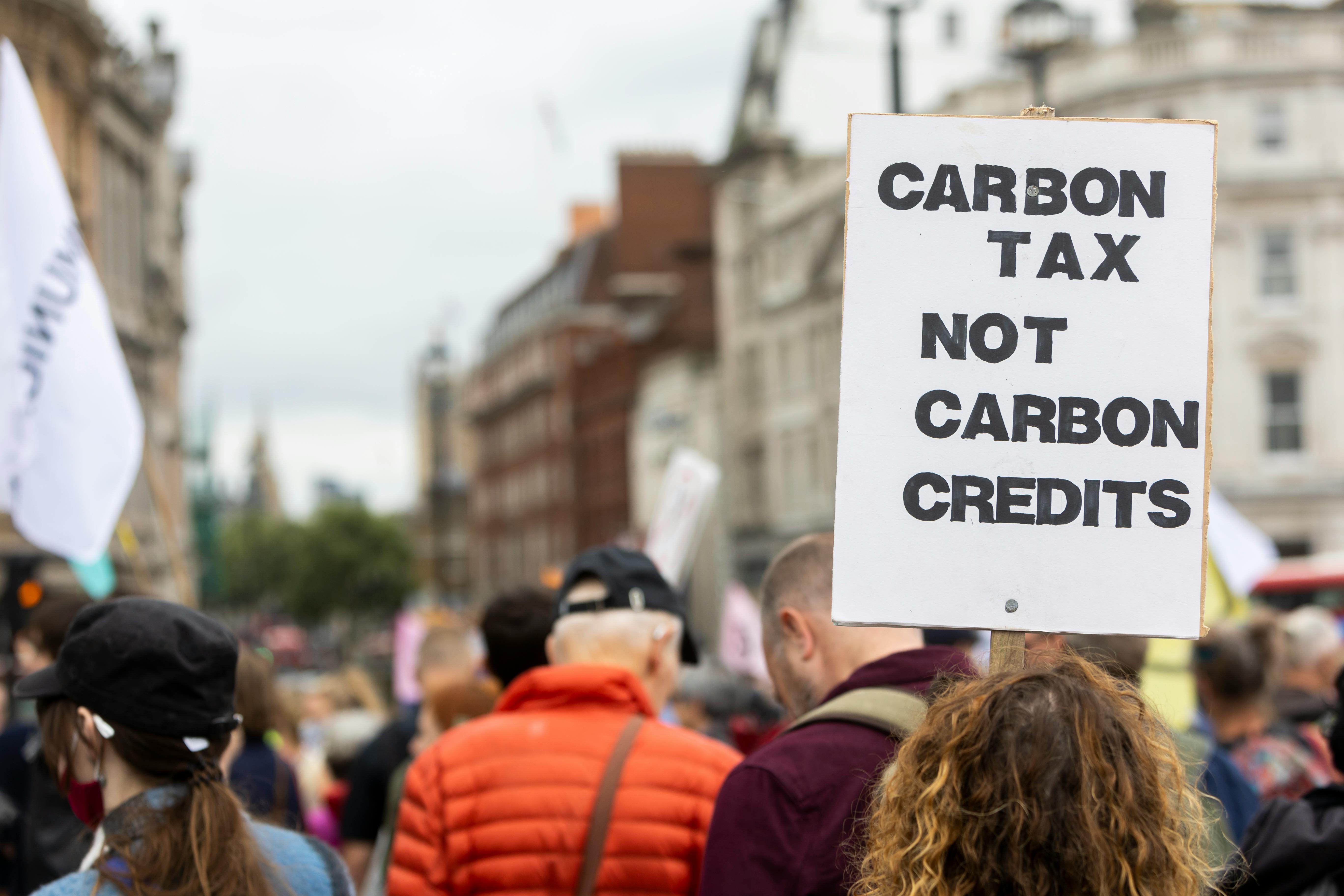
It's in your blood. In your child's lunchbox. In the very water you drink. An invisible enemy, silently invading our homes and bodies, rewriting our health and our future. While the world debates carbon, a far more insidious environmental crisis is unfolding, costing us billions and threatening the very fabric of American life. This isn't just about polar bears; it's about *you*, your family, and the shocking truth hidden in plain sight.
🔥 What's Happening Right Now
For decades, our environmental conversations have been dominated by climate change, rising sea levels, and the carbon footprint. And while these are undeniably critical issues, they’ve eclipsed a more immediate, pervasive, and deeply personal threat that’s already inside us: the silent invasion of synthetic chemicals and microplastics. This isn't a future problem; it's a "right now" crisis playing out in every American home, every day.
Consider the staggering reality: over 80,000 synthetic chemicals are registered for use in the US, with thousands introduced since the 1970s. Many have never been fully tested for human health impacts. These aren't just industrial byproducts; they're woven into the fabric of our modern lives – in our food packaging, non-stick pans, furniture, clothing, personal care products, and even our drinking water. We're talking about substances like PFAS (Per- and Polyfluoroalkyl Substances), often called "forever chemicals," which are now found in the blood of nearly all Americans. Phthalates and BPA (Bisphenol A), notorious endocrine disruptors, lurk in plastics, food containers, and cosmetics, mimicking hormones and wreaking havoc on our delicate biological systems. Pesticides, sprayed on our crops, don’t just stay on the farm; they travel, contaminate, and accumulate.
The impact is no longer theoretical. We are witnessing a silent epidemic of health issues directly linked to this chemical onslaught. Fertility rates in the US are plummeting, with endocrine disruptors suspected as a major contributing factor. Childhood developmental disorders, including ADHD and autism, are on the rise, with growing evidence pointing to prenatal and early childhood exposure to certain chemicals. Autoimmune diseases, allergies, and even certain cancers are showing alarming upward trends. Our immune systems are under constant siege, struggling to differentiate between natural threats and the endless parade of synthetic invaders.
And then there are microplastics. These tiny fragments, shed from everything from synthetic clothing to car tires and plastic bottles, are now ubiquitous. They’ve been found in our deepest oceans, the highest mountains, and most disturbingly, in human organs, blood, and even placentas. We inhale them, we ingest them, and their long-term effects are only just beginning to be understood. They act as carriers for other toxins, creating a compounding threat that science is racing to unravel.
This crisis doesn’t manifest as a dramatic oil spill or a visible smog cloud. It’s insidious. It’s the slow, steady drip of exposure from countless sources, accumulating in our bodies over a lifetime. It’s the reason why, despite living in an era of unprecedented medical advancement, Americans are sicker than ever before. This is the REAL environmental crisis: a personal, biological invasion that demands our immediate attention and proactive solutions.
💡 Financial Impact
The economic toll of this silent chemical invasion is staggering, reaching far beyond individual health and impacting national productivity, healthcare systems, and consumer markets. While precise figures are hard to pin down due to the pervasive nature of the problem, estimates paint a grim picture, with costs spiraling into the hundreds of billions of dollars annually in the United States alone.
Firstly, the direct healthcare burden is immense. Treating illnesses linked to chemical exposure – from rising rates of infertility requiring expensive treatments, to the escalating costs of managing diabetes, neurological disorders, and certain cancers – places an enormous strain on our healthcare system. For example, a 2016 study estimated the cost of just endocrine-disrupting chemical exposure in the EU at €157 billion annually, with US figures likely comparable or higher given similar exposure levels. This includes hospitalizations, medications, long-term care, and specialized therapies, all directly impacting insurance premiums, out-of-pocket expenses, and government health spending like Medicare and Medicaid.
Beyond direct medical costs, there's the significant loss in human capital and productivity. Illnesses stemming from chemical exposure lead to missed workdays, reduced cognitive function, and diminished quality of life. Parents taking time off to care for children with developmental delays, adults battling chronic fatigue or autoimmune conditions – these all translate into a less productive workforce and a drag on economic growth. The long-term societal cost of a generation facing compromised health and fertility is immeasurable but undeniably substantial.
The crisis also drives significant shifts in consumer spending, creating both challenges and opportunities. Americans are increasingly wary of "dirty" products and are willing to pay a premium for "clean" alternatives. This fuels a booming market for organic foods, non-toxic personal care products, chemical-free cleaning supplies, and advanced home purification systems. While this creates a new commercial sector, it also means higher grocery bills and household expenses for families trying to mitigate their exposure, often creating a two-tiered system where healthier options are less accessible to lower-income households.
Furthermore, industries face substantial costs related to regulation, litigation, and reformulation. Companies are increasingly being held accountable for the environmental and health impacts of their products, leading to expensive lawsuits, fines, and the need to invest heavily in researching and developing safer alternatives. The cost of cleaning up contaminated sites – from PFAS-laden water sources to pesticide-saturated soils – falls on taxpayers and responsible parties, diverting funds from other critical infrastructure and public services.
Finally, there's the unseen devaluation of assets. Properties in areas with contaminated water supplies or proximity to industrial polluters can see their values plummet. The perceived safety and health of a community directly impact its desirability and economic vitality. This silent crisis isn't just making us sick; it's making us poorer, draining resources, and fundamentally reshaping our economic landscape.
💰 Best Options in Comparison
Taking control of your environment and mitigating the impact of this chemical invasion is not just possible; it's becoming an essential part of modern living. While the problem is vast, individual actions, supported by smart consumer choices, can significantly reduce your personal exposure. Here's a comparison of the best options available to Americans looking to reclaim their health and home:
| Option Category | Key Benefits | Target Contaminants | Estimated Cost (US) | Ease of Implementation | Commercial Value |
|---|---|---|---|---|---|
| Advanced Water Filtration Systems | Provides clean, safe drinking and bathing water directly at home. Reduces ingestion/absorption of harmful chemicals. | PFAS, chlorine, chloramines, heavy metals (lead, mercury), pesticides, pharmaceuticals, microplastics, VOCs. | $100 (pitcher) - $500 (under-sink) - $5,000+ (whole-house) | Easy (pitcher) to Moderate (under-sink) to Professional Install (whole-house) | High: Growing market for RO, carbon block, and advanced multi-stage filters. |
| Non-Toxic & Organic Lifestyle Products | Reduces chemical intake through food, personal care, and household items. Supports healthier bodily functions. | Pesticides, herbicides, phthalates, BPA, parabens, synthetic fragrances, flame retardants, PFAS (in cookware). | Moderate increase in grocery/product budget (10-50% premium for organic/clean). | Easy (gradual switch) to Moderate (researching brands, label reading) | Very High: Massive and expanding market for organic food, "clean beauty," eco-friendly cleaning, non-toxic baby products. |
| Air Purification & Home Detox | Improves indoor air quality, reducing inhalation of airborne toxins and particulate matter. | VOCs (from paints, furniture), mold spores, dust mites, microplastics, airborne chemicals, pet dander. | $100 (single room) - $1,000+ (whole-house HEPA/carbon filter systems) | Easy (plug-in) to Moderate (HVAC filter upgrades, regular cleaning) | High: Increasing demand for HEPA/activated carbon air purifiers, natural building materials, air quality monitors. |
| Personal Health & Detox Support | Aids the body's natural detoxification pathways and supports overall resilience against chemical stress. | Supports the body's ability to process and eliminate various environmental toxins. | Varies widely: $50-$200+ per month (supplements, specialized foods, professional guidance). | Easy (dietary changes, supplements) to Moderate (consulting nutritionists, functional medicine doctors) | Moderate to High: Market for supplements (antioxidants, liver support), probiotics, functional foods, and wellness coaching. |
Choosing the right options depends on your budget, lifestyle, and specific concerns. For most Americans, starting with a high-quality water filter and gradually transitioning to organic foods and non-toxic personal care products offers the most impactful first steps. These choices not only protect your immediate health but also send a powerful message to manufacturers, driving demand for safer, cleaner alternatives across the market. Remember, every dollar spent on a cleaner product is a vote for a healthier future, making these not just personal choices, but acts of environmental and economic empowerment.
Conclusion
The "real" environmental crisis isn't just about what we see in the headlines; it's about the invisible war being waged within our own homes and bodies. The pervasive onslaught of synthetic chemicals and microplastics is a silent epidemic, undermining our health, diminishing our fertility, and imposing a staggering financial burden on individuals and the nation alike. While carbon discussions remain vital, ignoring this immediate, personal threat is a luxury we can no longer afford.
But here’s the empowering truth: unlike some global challenges, much of this crisis is within our sphere of influence. We have the power to make informed choices, to demand better from manufacturers, and to proactively safeguard our personal environments. From investing in advanced water filtration systems that stand as the first line of defense, to embracing non-toxic products that cleanse our daily routines, and supporting our bodies' natural resilience, every action counts.
This isn't just about avoiding illness; it's about reclaiming vitality, ensuring a healthier future for our children, and asserting our right to live in an environment free from pervasive, untested chemicals. It's time to stop waiting for someone else to solve the problem. It's time to tame this tiger of chemical overload, one conscious choice at a time. The knowledge is here, the solutions are accessible, and the power to transform your health and home is in your hands. Start today.