
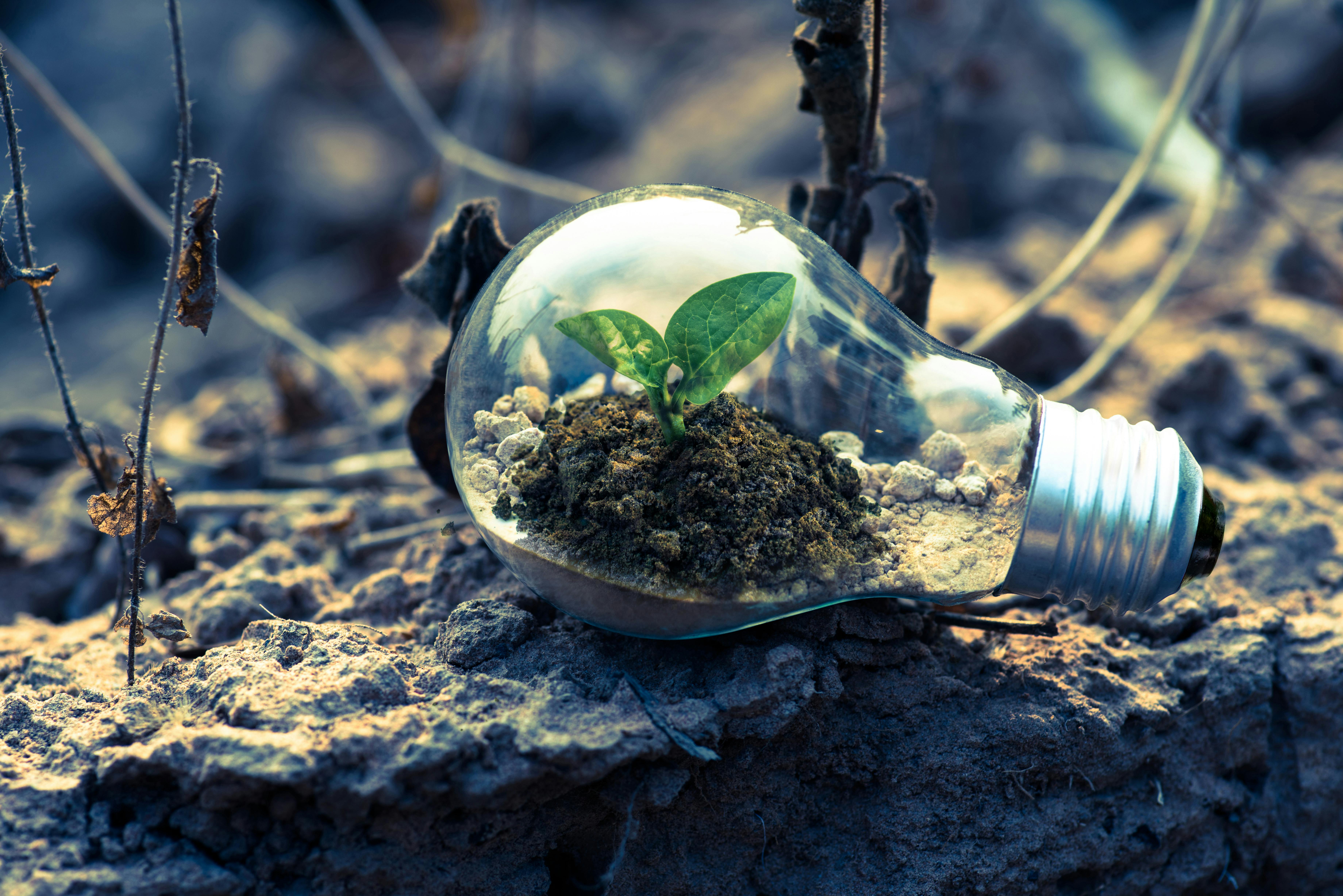
Discover how the global rewilding movement is transforming landscapes, creating powerful climate solutions, and offering unprecedented opportunities for ethical investment and sustainable travel. Explore the top projects, essential services, and how you can actively participate in nature's greatest comeback story, maximizing both ecological impact and financial returns in 2026.
Introduction to the Topic
In 2026, as the echoes of climate warnings grow louder and the biodiversity crisis deepens, a powerful counter-narrative is taking hold: rewilding. No longer a fringe concept, rewilding has emerged as a beacon of hope and a cornerstone of global conservation strategies. It's a radical, yet profoundly simple, approach to environmental restoration that moves beyond mere protection, actively inviting nature to heal itself. Imagine vast tracts of land, once degraded, now teeming with life; rivers flowing freely, carving new paths; and keystone species, long absent, returning to reclaim their ancestral homes. This isn't just an ecological dream; it's a rapidly expanding reality, offering not only vital climate solutions and a surge in biodiversity but also compelling opportunities for smart investment, impactful travel, and meaningful engagement.
This article delves into the heart of the rewilding revolution, exploring its foundational principles, its transformative power, and the diverse pathways through which individuals and organizations can become active participants. Whether you're an impact investor seeking robust returns, a conscious traveler yearning for authentic experiences, a landowner envisioning a wilder legacy, or a business aiming for true sustainability, rewilding presents a compelling frontier. Join us as we uncover how this dynamic movement is reshaping our world, one restored ecosystem at a time, and how you can be at the forefront of nature's greatest comeback story.
Backgrounds & Facts
The urgency for rewilding stems from decades of unprecedented biodiversity loss and ecosystem degradation. Reports from the Intergovernmental Science-Policy Platform on Biodiversity and Ecosystem Services (IPBES) continue to paint a stark picture: over one million species face extinction, and 75% of the Earth’s land surface has been significantly altered by human activity. Traditional conservation, while crucial, often focused on static protection. Rewilding, however, represents a paradigm shift – a dynamic, future-oriented approach that actively restores natural processes and allows ecosystems to self-regulate.
Key principles of rewilding, as championed by organizations like Rewilding Europe and the European Rewilding Network, include:
- Core Areas: Protecting and expanding large, interconnected wild spaces.
- Keystone Species: Reintroducing animals like beavers, wolves, or wild horses that play critical roles in shaping ecosystems.
- Natural Processes: Allowing natural disturbances like floods, fires, and grazing to occur, fostering dynamic habitats.
- Connectivity: Creating corridors that link wild areas, enabling species movement and genetic exchange.
- Human Integration: Finding ways for humans to coexist and benefit from wilder landscapes, often through ecotourism and sustainable livelihoods.
The economic benefits of rewilding are increasingly recognized. Ecosystem services – the benefits nature provides to humans, such as clean water, carbon sequestration, flood mitigation, and pollination – are being valued at trillions of dollars annually. Rewilding enhances these services, offering significant returns on investment. For example, restored wetlands can reduce flood damage, while reforested areas act as massive carbon sinks, generating valuable carbon credits. Furthermore, rewilding initiatives often stimulate local economies through ecotourism, creating sustainable jobs and revitalizing rural communities.
Globally, rewilding is gaining momentum. From the reintroduction of bison in North America and wild horses in the Netherlands to ambitious marine rewilding projects restoring kelp forests and oyster reefs, success stories are multiplying. The UN Decade on Ecosystem Restoration (2021-2030) has provided a critical policy framework, while national governments, including those in the EU with their ambitious Nature Restoration Law, are increasingly integrating rewilding targets into their environmental policies. In 2026, rewilding is not just an environmental movement; it's a vital component of global climate resilience and sustainable development.
Expert Opinion / Analysis
Dr. Anya Sharma, a leading conservation economist and author of 'Natural Capital: The Untapped Frontier,' emphasizes the transformative power of rewilding: "In 2026, we're seeing a fundamental shift in how we value nature. Rewilding isn't just about 'saving' species; it's about investing in the very infrastructure of our planet. The data is clear: healthy, self-sustaining ecosystems provide unparalleled returns, not only in terms of biodiversity and climate regulation but also in economic resilience and human well-being."
Sharma highlights that the greatest challenge, and opportunity, lies in bridging the gap between ecological science and financial markets. "For too long, conservation was seen as a cost center. Rewilding changes that narrative entirely, framing nature as an asset class. We're witnessing the rise of 'natural capital' as a legitimate and increasingly attractive investment, driven by demand for verified carbon offsets, biodiversity credits, and sustainable tourism experiences."
The integration of advanced technology is also a game-changer. "AI-driven monitoring systems, drone mapping, and sophisticated genetic analysis are allowing us to implement and track rewilding projects with unprecedented precision," explains Dr. Ben Carter, an ecological restoration specialist. "This data-driven approach enhances accountability, optimizes resource allocation, and provides verifiable metrics for impact investors, ensuring their capital is genuinely driving restoration outcomes."
However, experts caution that rewilding isn't without its complexities. "Social acceptance is paramount," notes Dr. Sharma. "Engaging local communities, understanding their concerns, and ensuring they benefit from rewilding initiatives is crucial for long-term success. It's not about fencing off nature; it's about integrating it wisely into our landscapes and economies." Challenges also include securing sufficient funding, navigating complex land ownership issues, and managing human-wildlife conflicts as species return. Yet, the consensus among experts is clear: rewilding represents one of the most powerful, scalable, and economically viable solutions to the ecological and climate crises of our time, poised for exponential growth in the coming years.
💰 Best Options in Comparison (VERY IMPORTANT)
The rewilding movement offers diverse and impactful ways to engage, whether you're looking to invest capital, experience nature, manage land sustainably, or offset your environmental footprint. Here are some of the best options available in 2026, designed to meet varying levels of commitment and purchasing intent:
-
Option 1: Invest in Conservation Funds & Rewilding Bonds
For serious investors seeking both financial returns and verifiable ecological impact, dedicated conservation funds and rewilding bonds are gaining significant traction. These vehicles pool capital to acquire and restore land, reintroduce species, and develop sustainable revenue streams from rewilded landscapes (e.g., ecotourism, sustainable timber, carbon sequestration). Funds like the fictional "Veridian Capital's Rewilding Impact Fund" or the "Global Nature Recovery Bond" offer diversified portfolios across various rewilding projects, providing a robust pathway for impact investing. Look for funds with strong ESG (Environmental, Social, Governance) criteria and transparent reporting on biodiversity metrics and carbon removal.
-
Option 2: Book a Transformative Rewilding Ecotour or Volunteer Experience
For those who wish to experience rewilding firsthand, a growing number of operators offer immersive ecotours and volunteer opportunities. Imagine tracking reintroduced megafauna in a European wilderness, assisting with habitat restoration in a Scottish Highlands estate, or exploring marine rewilding sites in the Mediterranean. Companies like "Rewilding Safaris Co." provide luxury educational tours, while "EcoVolunteer Ventures" connects travelers with hands-on conservation work. These experiences not only offer incredible travel memories but also directly support the local economies surrounding rewilding projects and contribute to their ongoing success. Ensure your chosen operator prioritizes ethical wildlife viewing and has a proven track record of supporting local communities.
-
Option 3: Consult an Ecological Restoration Firm for Your Land
If you're a landowner – whether private, corporate, or governmental – and wish to integrate rewilding principles into your property management, specialized ecological restoration firms are essential. Companies like "Terra Nova Ecological Solutions" or "WildSpace Consultants" offer comprehensive services, from initial ecological assessments and biodiversity net gain strategies to full-scale habitat creation, species reintroduction plans, and long-term monitoring. Investing in professional consultation can significantly enhance your land's ecological value, potentially increase property value, and open avenues for grants or carbon credit generation. This option is ideal for those looking to make a direct, tangible impact on their own land.
-
Option 4: Purchase Certified Nature-Based Carbon Credits
For businesses and individuals committed to achieving net-zero goals, purchasing certified nature-based carbon credits offers a powerful way to offset emissions while supporting rewilding. These credits are generated by projects that sequester carbon through reforestation, peatland restoration, blue carbon initiatives (e.g., mangrove planting), and regenerative agriculture, all key components of rewilding. Platforms like "CarbonBalance Ecosystems" or "BioCarbon Registry" allow you to invest in projects verified by reputable standards (e.g., Gold Standard, Verra), ensuring additionality and permanence. This is a crucial tool for corporate social responsibility and personal climate action.
To help you choose the best pathway for your engagement, here's a comparison of these key options:
| Feature | Rewilding Impact Funds | Rewilding Ecotours / Volunteer | Ecological Restoration Consulting | Nature-Based Carbon Credits |
|---|---|---|---|---|
| Engagement Type | Financial Investment | Experiential / Hands-on | Service/Project Implementation | Carbon Offset / ESG |
| Target Audience | Impact Investors, Institutions | Travelers, Volunteers | Landowners, Businesses, Gov. | Businesses, Individuals |
| Typical Cost/Commitment | High (e.g., $10k+ investment) | Medium (e.g., $1k-$5k per trip) | Variable (e.g., $5k-$500k+ project) | Low-Medium (e.g., $20-$100/ton) |
| Primary Benefit | Financial & Ecological ROI | Direct Impact, Education, Travel | Enhanced Land Value, Biodiversity | Climate Action, Reputation |
| Key Considerations | Due Diligence, Liquidity, Fund Manager | Operator Reputation, Ethical Practices | Scope, Expertise, Long-Term Plan | Verification Standards, Additionality |
Outlook & Trends
Looking ahead to the rest of the decade and beyond, rewilding is poised for unprecedented growth and innovation. Several key trends will shape its trajectory:
-
Scaling Up: From Projects to Landscapes: The focus will shift from individual rewilding projects to larger, interconnected landscape-scale and even seascape-scale initiatives. Governments and NGOs will increasingly collaborate on transboundary rewilding corridors, creating vast networks of wild space essential for climate resilience and robust biodiversity.
-
Advanced Technology Integration: AI and biotech will revolutionize rewilding. Precision rewilding, guided by AI-analyzed data from satellites and drones, will optimize habitat restoration. Genetic rescue techniques and de-extinction research will become more sophisticated, potentially aiding in the recovery of critically endangered species or restoring lost ecological functions.
-
Policy Mandates & Green Economy Integration: Stronger governmental commitments, such as the EU's Nature Restoration Law, will drive rewilding efforts. The concept of "biodiversity net gain" will become a standard requirement for development projects, creating a significant market for rewilding services and land banks. Rewilding will be recognized as a cornerstone of the green economy, attracting substantial public and private investment.
-
Mainstreaming Conservation Finance: Impact investing in natural capital will move from niche to mainstream. New financial instruments, blended finance models, and public-private partnerships will unlock billions for rewilding. Expect to see more rewilding-focused ETFs (Exchange Traded Funds) and green bonds tailored for individual investors.
-
Public Engagement & Virtual Immersion: Public awareness and engagement will soar. Citizen science initiatives, enhanced by user-friendly apps, will empower individuals to contribute data to rewilding projects. Virtual reality and augmented reality experiences will offer immersive tours of rewilded landscapes, fostering a deeper connection to nature for a global audience.
-
Synergy with Regenerative Agriculture: The divide between rewilding and food production will diminish. Regenerative agriculture practices, which enhance soil health and biodiversity, will increasingly integrate with rewilding at the landscape level, creating resilient food systems that work in harmony with nature.
These trends collectively point towards a future where rewilding is not just a conservation strategy but a fundamental pillar of a sustainable, biodiverse, and climate-resilient planet, offering a wealth of opportunities for those ready to engage.
Conclusion
The rewilding movement in 2026 is far more than a hopeful ideal; it is a tangible, rapidly expanding force for ecological restoration and a powerful economic driver. From the reintroduction of keystone species to the restoration of vital ecosystem processes, rewilding is proving to be an indispensable solution to the climate and biodiversity crises. It offers a compelling vision of a future where humans and wild nature not only coexist but thrive together, generating mutual benefits.
As we've explored, the opportunities to engage are diverse and impactful. Whether you choose to invest in the burgeoning natural capital market, embark on a transformative ecotourism adventure, consult experts to rewild your own land, or contribute to carbon offsetting through nature-based solutions, your participation fuels this vital global effort. The return on investment isn't just financial; it's the priceless restoration of vibrant ecosystems, cleaner air and water, enhanced climate resilience, and a richer, wilder world for generations to come.
The greatest comeback story of our time is unfolding across continents and oceans, and you have a critical role to play. By actively engaging with rewilding, you're not just supporting conservation; you're investing in a thriving future for all. Seize the opportunity to be part of nature's uprising and help shape a wilder, more sustainable planet.