
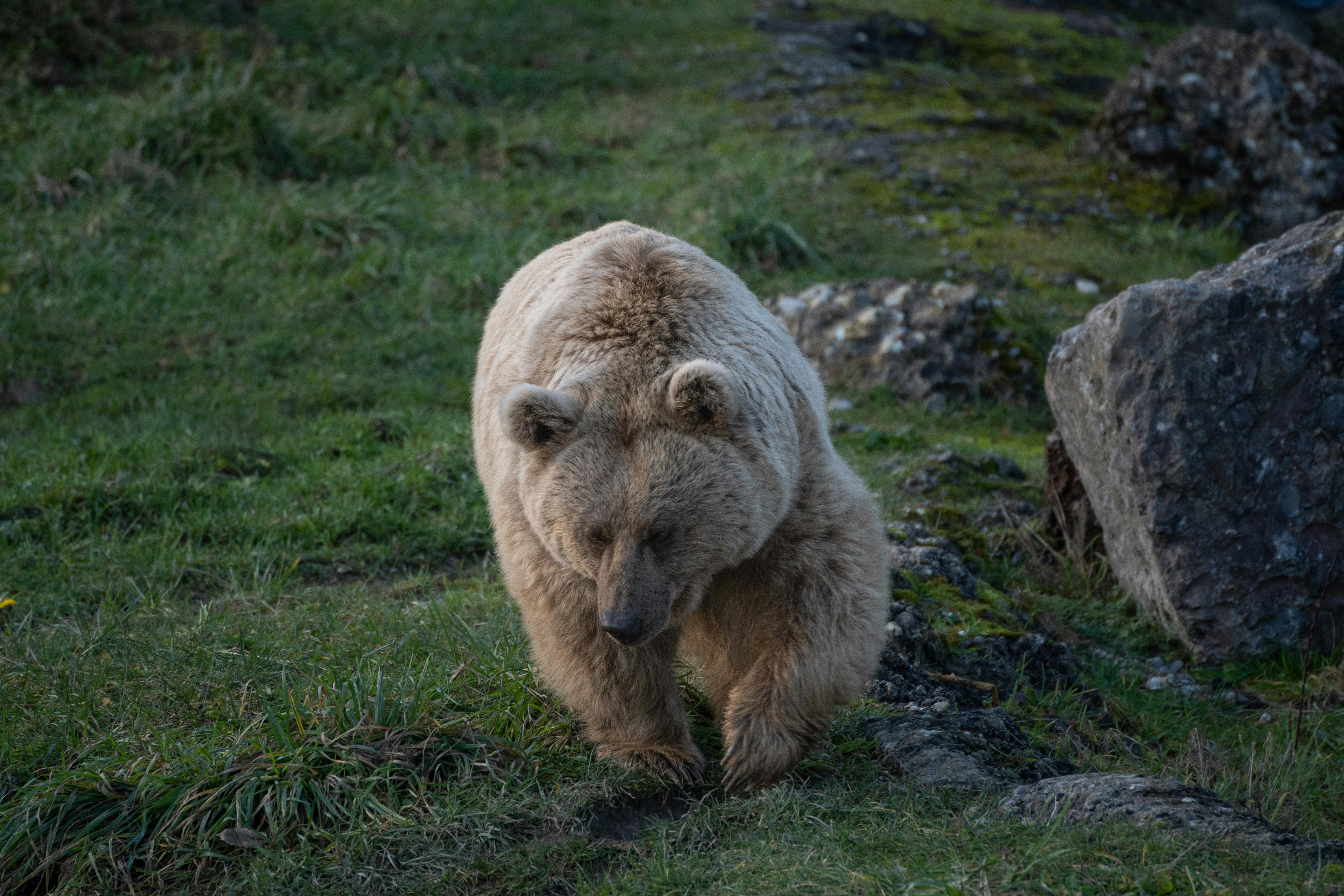
Zoos have moved from entertainment to a stated mission of conservation, education and research, and the evidence supporting each claim varies.
The four stated purposes
Conservation, through breeding programmes and field project funding.
Education, changing visitor knowledge and attitudes.
Research, on species that are difficult to study in the wild.
And recreation, which is what actually funds the others.
Conservation breeding
Coordinated programmes have prevented several extinctions and returned species to the wild.
Which is a real and documented contribution for a specific set of species.
The proportion of species in collections that are part of such programmes is small, which is the main criticism.
Species held for visitor appeal rather than for conservation constitute the majority of most collections.
Field conservation funding
Zoos collectively contribute substantial funding to field projects.
Which is significant in aggregate, and the proportion of individual institutional budgets directed to it varies enormously.
Accreditation bodies have introduced minimum requirements in some regions.
Education
The claim with the weakest evidence relative to how strongly it is asserted.
Studies of visitor knowledge and attitude change have produced mixed results, with modest short-term effects and limited evidence for behaviour change.
Methodological criticism of the more positive studies has been substantial, including reliance on self-report and lack of control groups.
Which does not mean no education occurs, and the strength of the claims exceeds the evidence.
Research
Captive animals allow studies impossible in the wild — physiology, reproduction, nutrition, cognition, disease.
Which has produced knowledge directly applicable to field conservation, particularly reproductive biology used in breeding programmes.
The volume of research output varies enormously between institutions, with a small number producing most of it.
Welfare
The central ethical question and the area with the most measurable progress.
Enclosure design has moved from bare cages to environments providing complexity, choice and control.
Environmental enrichment, training for voluntary participation in husbandry, and behavioural monitoring have become standard in accredited institutions.
Which is genuine improvement, and welfare for some species — particularly large ranging mammals and cetaceans — remains contested regardless of enclosure quality.
Several institutions have ended their elephant and cetacean programmes on these grounds.
Surplus animals
Breeding produces animals not needed by the programme.
Which has been handled variously — contraception, non-breeding groups, transfer, and in some cases culling, which caused substantial public controversy when publicised.
Practices differ between regions, with some accepting culling as a management tool and others prohibiting it.
The standards question
Accreditation bodies set requirements covering welfare, conservation and research.
Which distinguishes accredited institutions from unaccredited facilities substantially, and a considerable number of facilities calling themselves zoos or sanctuaries are unaccredited.
Checking accreditation before visiting is a straightforward step, and the distinction is meaningful.
Where this leaves it
Accredited institutions doing genuine conservation work exist, and so do facilities using conservation language while operating as entertainment.
The distinguishing evidence — programme participation, field funding, research output, welfare standards — is generally published and rarely consulted.
Sanctuaries
Facilities housing animals rescued from other situations, generally without breeding or acquisition.
Which is a different model with a different justification, and the term is unprotected and widely misused.
Accreditation bodies for sanctuaries exist with defined standards, including no breeding, no commercial trade and no direct contact with visitors.
Facilities offering photo opportunities and handling are not sanctuaries by those standards regardless of what they are called.
Aquariums
Face similar questions with different specifics.
Some species breed readily and are effectively self-sustaining in collections. Others are wild-caught, and the marine aquarium trade has documented sustainability problems.
Cetacean keeping has ended in several jurisdictions following legislation.
Visiting
Accreditation, conservation programme participation and published field funding are checkable before visiting.
Which is a reasonable basis for choosing, and it directs revenue toward institutions doing the work.
Public attitudes
Have shifted measurably, with declining acceptance of certain practices and continued high visitation.
Which is a tension the sector navigates by changing practice ahead of regulation in some cases and resisting in others.
Regulation
Licensing requirements covering welfare, safety and conservation contribution exist in many jurisdictions.
Which vary substantially in standard and in inspection frequency.
Facilities operating below accreditation standards persist where regulation is weak, and they are the source of most documented welfare problems.
The counterfactual
The honest question is what would happen to the animals and to the conservation work if a given institution closed.
Which produces different answers for different institutions, and it is the question worth asking rather than a general position on the category.
Which requires knowing what a specific institution actually does rather than reasoning about zoos in general.
Where the sector is going
Collections are narrowing toward fewer species held in larger groups with more space, which improves welfare and reduces the number of species represented.
Which is a genuine trade — a visitor sees less variety, and the animals present are kept better.
Immersive and mixed-species exhibits, and increasing emphasis on local and less charismatic species, follow the same direction.