
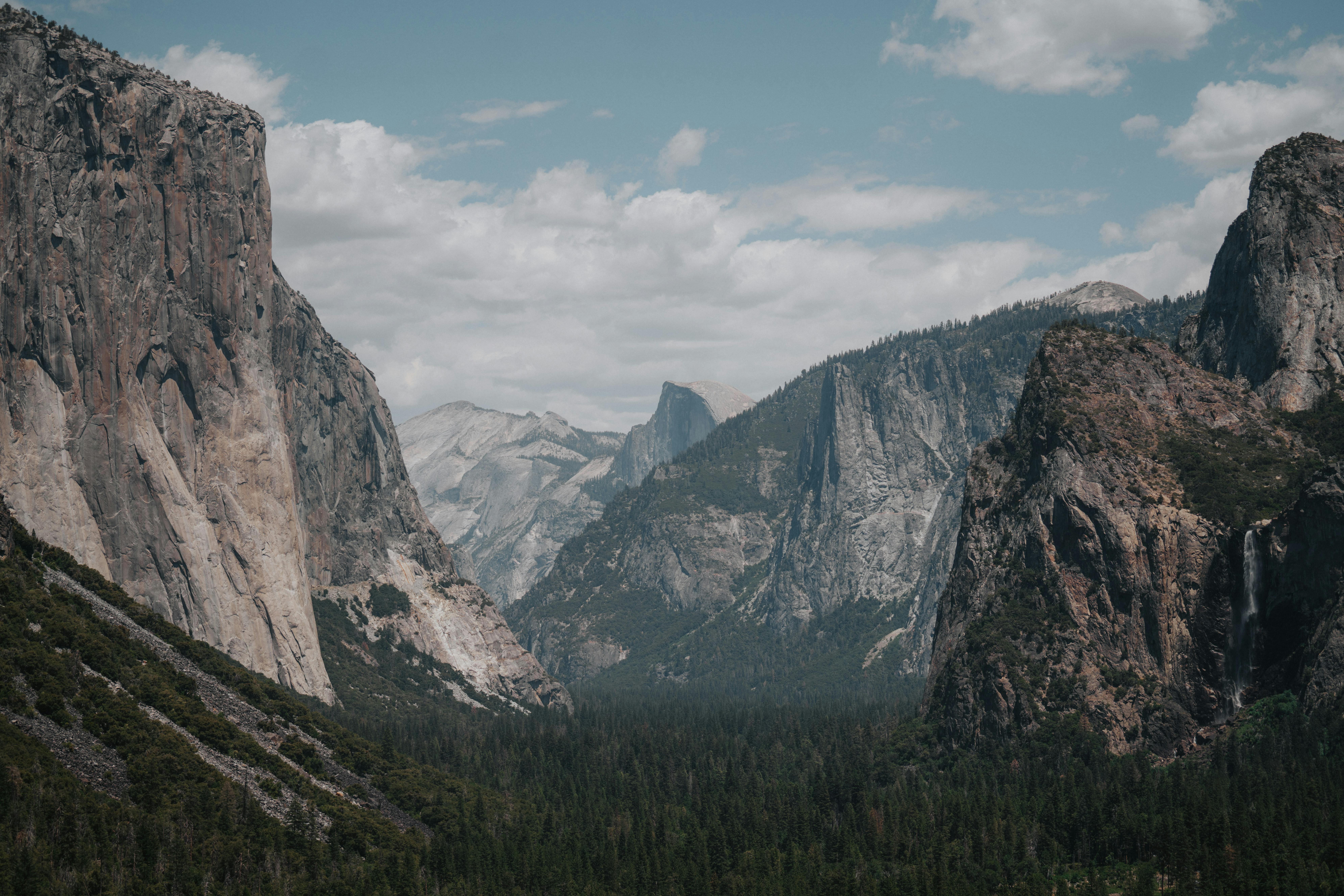
Popular parks receive far more visitors than their roads, trails and facilities were designed for. The tools used to manage that are all forms of rationing, and each redistributes pressure in a particular way.
Why the pressure concentrates
Visitation is heavily uneven, clustering into a few summer months, a few days of the week and a handful of named viewpoints within each park.
Most visitors stay close to roads, so a large park can have congested corridors and empty interior at the same moment.
The binding constraint is usually parking rather than trail capacity, since a full car park generates roadside parking, congestion and vegetation damage along the verge.
Permits and timed entry
Timed entry systems allocate arrival windows in advance, spreading demand across the day rather than reducing the daily total.
Permits for specific trails or backcountry zones cap numbers directly, which protects the resource but requires enforcement at the point of access.
Both approaches favour visitors who plan far ahead, which raises fairness concerns for people who cannot commit to a date months in advance.
Shuttles and access control
Mandatory shuttle systems remove private vehicles from congested corridors, which reclaims parking area and reduces roadside disturbance.
They also cap throughput mechanically, since the number of seats per hour is fixed regardless of how many people arrive at the gate.
The trade is flexibility. Visitors lose the ability to stop where they wish, which changes how the park is experienced and is unpopular with photographers and anglers.
Pricing as a lever
Entry fees are generally too low relative to travel costs to influence how many people come, so they function as revenue rather than as demand management.
Differential pricing by season or day does shift some visits, though the effect is modest against school holidays and weekends.
Raising prices enough to reduce crowding would exclude people on the basis of income, which conflicts with the public purpose parks are held under.
Where the pressure goes instead
Restricting access to one park pushes visitors toward neighbouring protected areas, which frequently have smaller budgets and less infrastructure.
Social media accelerates this, concentrating attention on specific locations quickly enough that management responses lag by years.
The underlying difficulty is that demand continues rising while the physical capacity of a park is fixed, so every tool available is a way of choosing who is turned away.