
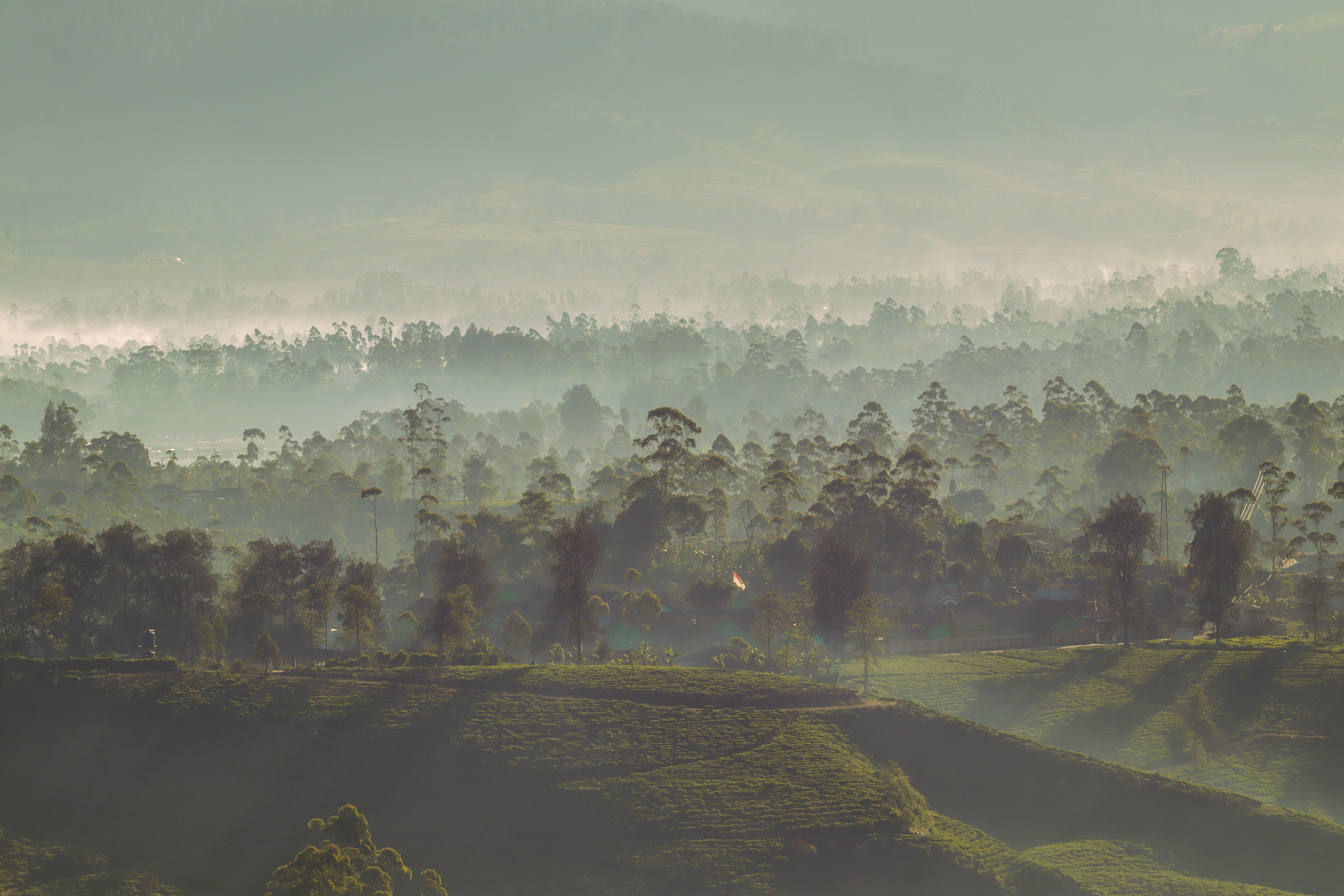
Selective logging removes a small number of commercially valuable trees per hectare and leaves the rest standing. From above the forest looks intact, and the ecological changes are real but harder to see.
What the operation actually removes
Target species are large, straight and slow-growing, which means the trees taken are among the oldest in the stand and the most likely to contain cavities.
Because harvesting focuses on particular species, repeated cycles gradually deplete those species while leaving others, shifting composition over successive rotations.
The largest individuals also carry a disproportionate share of the stand's stored carbon and produce the most seed, so their removal has effects beyond their number.
Collateral damage during extraction
Felling a large tree damages neighbours through direct impact and through the vines connecting canopies, which pull additional trees down with it.
Skid trails and landings compact soil and remove understorey over an area substantially larger than the footprint of the trees harvested.
Reduced-impact techniques, including cutting vines in advance and planning extraction routes before felling, lower this damage considerably where they are applied.
Why the roads matter most
Access roads built for extraction remain after the operation ends, and they provide entry for hunters, settlers and subsequent clearing.
Hunting pressure along logging roads has been documented to remove large vertebrates from forest that retains its structure entirely, producing intact canopy with an emptied fauna.
Roads also fragment the forest floor for species reluctant to cross open ground, and they concentrate erosion and sediment delivery into streams.
The fire consequence
Gaps in the canopy allow sunlight to reach the forest floor, drying leaf litter and felling debris that would otherwise stay damp.
Intact humid tropical forest rarely burns. Logged forest carries enough dry fuel to sustain fire, particularly during drought years.
Fire then kills thin-barked trees, opens the canopy further and increases fuel again, which is how a single logging cycle can begin a progression toward degraded scrub.
Whether the forest recovers
Timber volume regrows over decades, and where the interval between harvests is long and extraction careful, structure and species can substantially recover.
Recovery fails where cycles are shortened, where the same species are targeted repeatedly, or where roads bring settlement that prevents any recovery period at all.
The distinction that matters is therefore not selective versus clear cutting but what happens to the area in the years after the machinery leaves.