
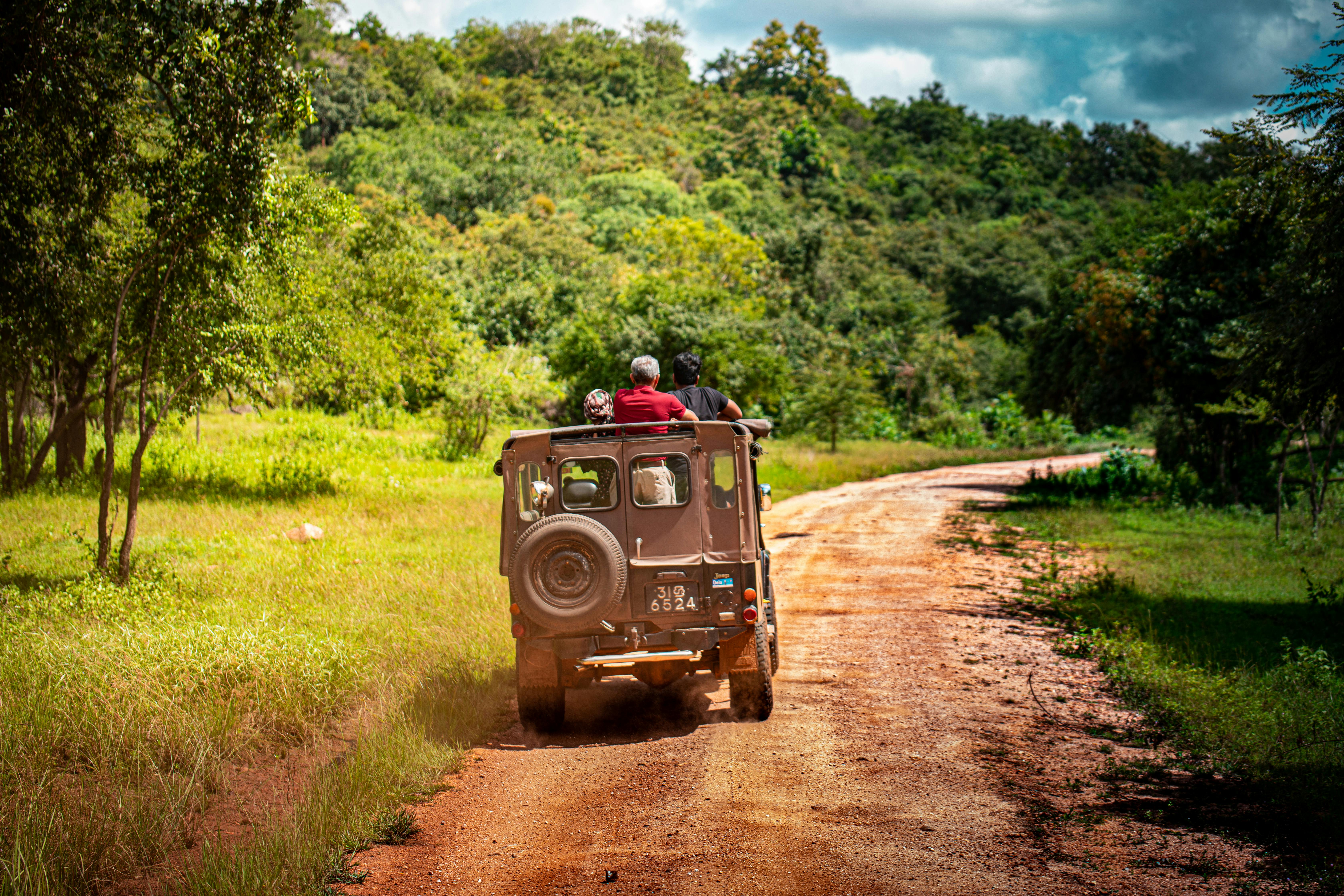
A safari camp in a remote reserve has no mains water, no grid connection and no sewer. Everything is produced and treated on site, and the engineering behind that shapes how camps are designed and sized.
Where the water comes from
Most camps draw groundwater from a borehole, since surface water is seasonal and shared with wildlife that the camp is not permitted to displace.
Borehole yield is finite and recharge depends on rainfall, so extraction rates set an effective ceiling on guest numbers regardless of how much accommodation could be built.
Water quality varies, and mineral content in arid regions often requires treatment before use, which adds another system to maintain in a place without technicians.
Why consumption is designed down
Bucket showers, low-flow fittings and laundry policies exist because every litre must be pumped, treated and eventually disposed of.
Swimming pools and irrigated lawns are the largest discretionary demands, and camps that install them commit to a much larger water system permanently.
Greywater from showers and basins is commonly separated and used on planted areas, which reduces both extraction and the volume needing treatment.
Treating sewage without a sewer
Septic tanks and soakaways are the simplest approach, though they perform poorly where the water table is high or soils do not drain.
Larger camps use packaged treatment plants that aerate effluent biologically, producing water clean enough for irrigation rather than discharge.
The failure mode is neglect. These systems depend on a living microbial population, which is killed by strong disinfectants entering the drains, so cleaning products are controlled.
Power and its constraints
Solar with battery storage has largely replaced continuous generator running, which reduces noise, fuel deliveries and fumes in a wildlife area.
Capacity still limits what a camp can offer, since air conditioning, hair dryers and kettles draw far more than lighting and refrigeration.
Generators are usually retained as backup and run at set hours, which is why many camps ask guests to charge equipment during a specific window.
What leaves the camp
Solid waste must be sorted and driven out, sometimes over long distances, so reducing packaging arriving at the camp is more effective than managing it afterwards.
Food waste cannot simply be dumped, since it habituates hyenas, baboons and honey badgers to human areas and creates conflict that ends badly for the animals.
These constraints are why small camps are the norm in remote reserves. Scale raises every one of the problems above faster than it improves the economics.