
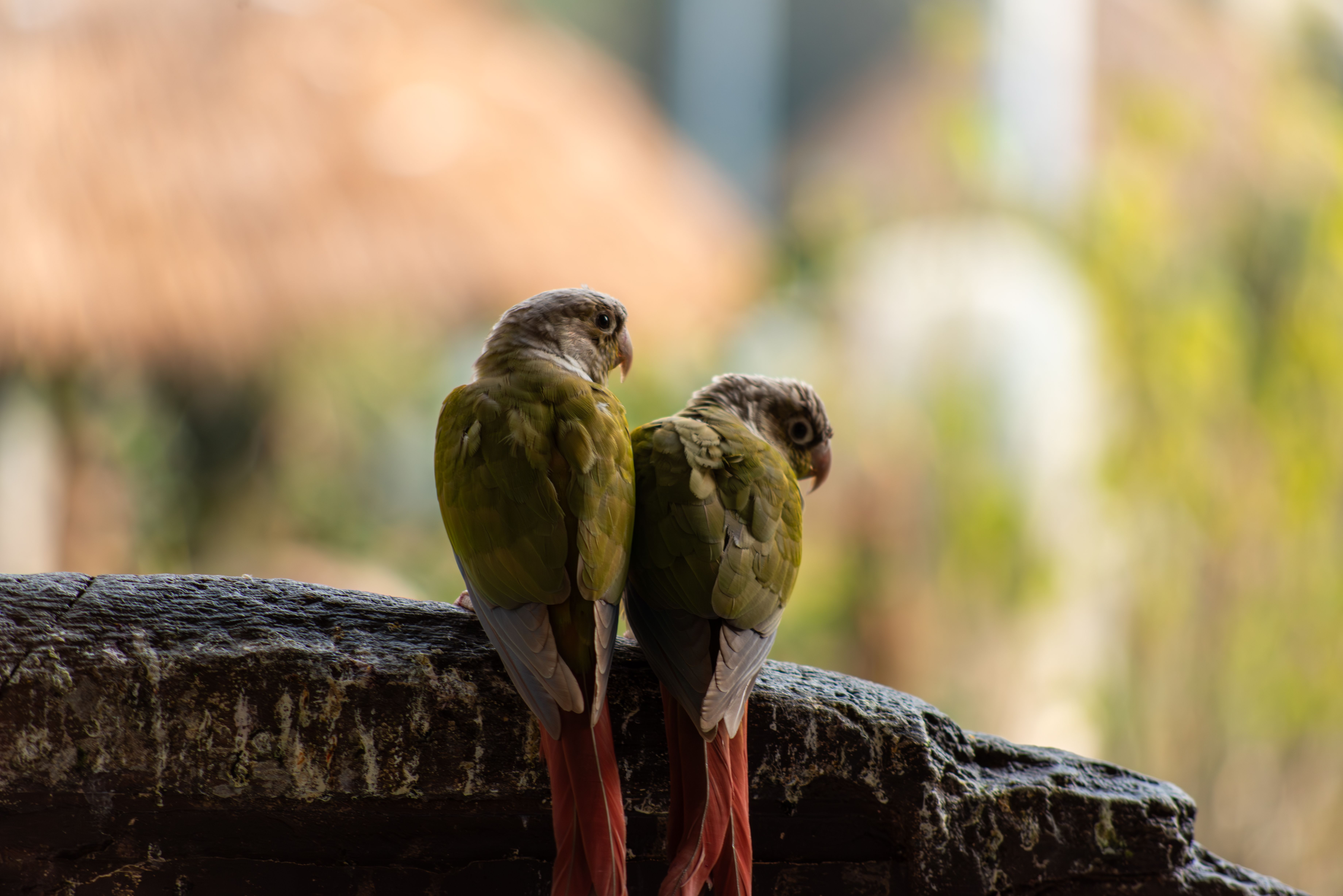
A feather is produced once, wears continuously and cannot be healed. Everything about how birds manage plumage follows from that, including the timing of moult and the hours spent preening each day.
Why feathers wear out
Feathers are made of keratin and are dead once grown, with no blood supply and no capacity for repair.
They abrade against vegetation, are degraded by sunlight and are eaten by feather lice and by bacteria that break down keratin.
Worn flight feathers reduce lift and increase the energy cost of flying, and faded, damaged plumage insulates less effectively and signals condition poorly.
Moult has to be scheduled
Growing a full set of feathers requires substantial protein and energy, comparable in cost to breeding or to a long migration.
Because birds cannot afford all three simultaneously, moult is fitted into the gaps, usually after breeding and before or after migration depending on the species.
Where the schedule is tight, some species moult in stages or pause partway, resuming once a migration leg is complete.
Keeping the ability to fly
Most birds replace flight feathers in a symmetrical sequence, dropping matching feathers from each wing so that balance is maintained.
Only a few are shed at a time, leaving gaps small enough that flight remains possible, though manoeuvrability and efficiency decline while the gaps are open.
Ducks, geese and some other waterbirds instead drop all flight feathers at once and become flightless for weeks, which they can afford because they escape onto open water.
Preening does the daily maintenance
Preening realigns the microscopic hooks that hold a feather's surface together, restoring an airtight vane after it has been disrupted.
Most birds also spread oil from a gland at the base of the tail, which conditions the keratin and helps to maintain water resistance.
Bathing, dusting and sunning all form part of the same routine, reducing parasite loads that would otherwise accumulate to damaging levels.
What moult reveals to observers
Because moult follows a predictable sequence, the pattern of new and worn feathers in a wing indicates a bird's age and the stage of its annual cycle.
Ringers use this routinely, and museum specimens can be dated within the year on the same basis.
Feather growth also leaves fine bars recording daily nutrition, so a feather preserves a short record of the conditions the bird experienced while growing it.