
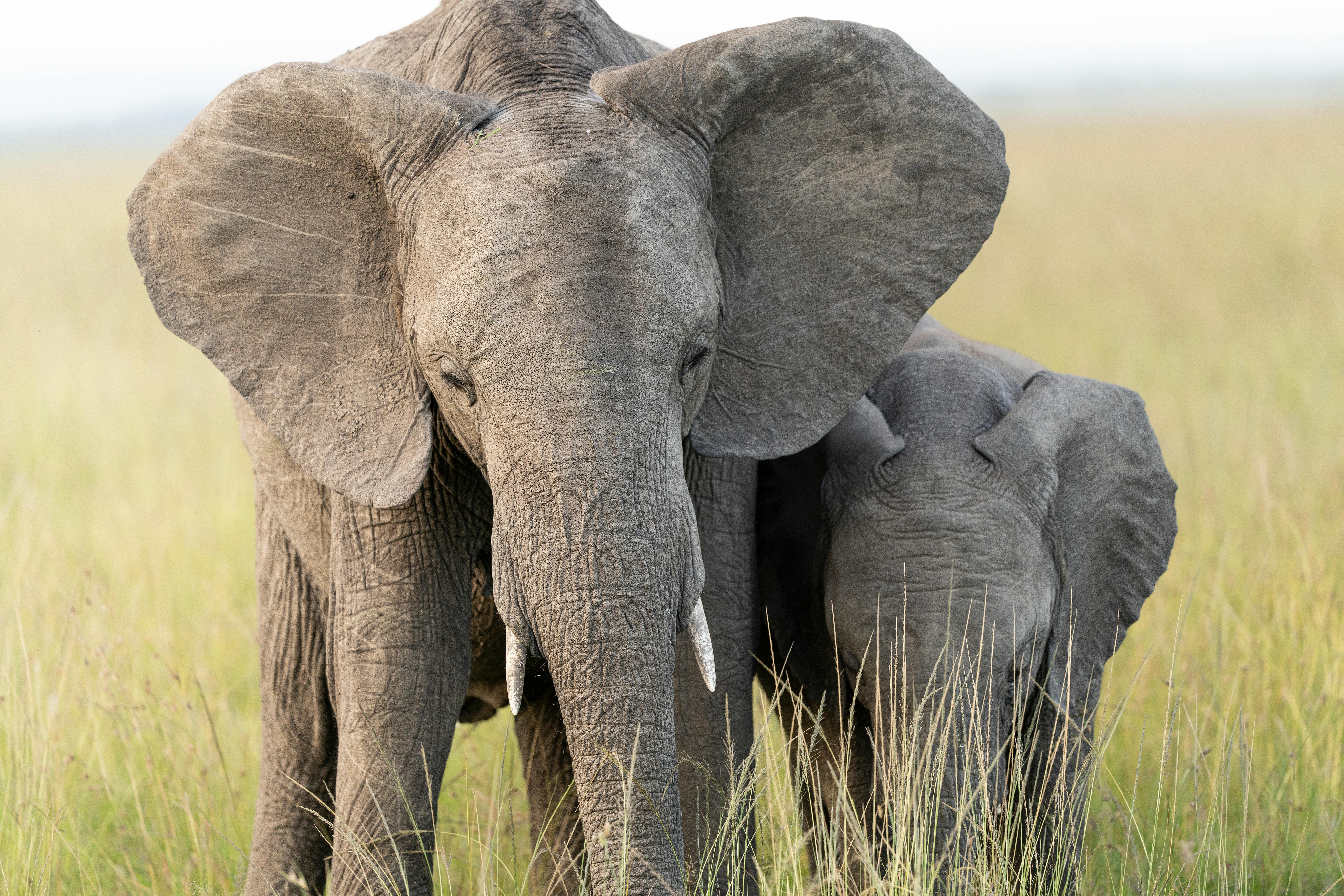
A handful of species carry most of the public messaging for wildlife conservation worldwide. The selection follows a set of practical criteria that have little to do with which species are most threatened.
What makes a species usable
Flagship species are generally large, visually distinctive and possess forward-facing eyes or expressive faces that people read as familiar.
Tigers, elephants, pandas, whales and great apes recur across campaigns because they meet those criteria and are already recognisable to audiences who know nothing else about the habitat.
Recognition matters because a campaign has seconds to establish its subject. A species requiring explanation before it can be cared about starts from behind.
Why funding concentrates this way
Donations respond strongly to identifiable individuals rather than to aggregate need, which is why campaigns name specific animals and follow them over time.
That pattern rewards species that can be individually identified and tracked, and it disadvantages insects, fungi, reptiles and plants regardless of how threatened they are.
The result is a funding distribution weighted heavily toward a narrow slice of vertebrates, which conservation scientists have documented repeatedly and largely failed to shift.
The umbrella argument
The defence of flagship selection is that protecting a large animal requires protecting a large area, and everything sharing that area benefits.
This holds where the flagship genuinely ranges widely. Tiger reserves and elephant corridors protect substantial forest that would otherwise have no advocate.
It fails where the flagship's needs diverge from those of the wider community, or where protection is delivered through captive breeding and intensive management rather than habitat.
What gets left out
Freshwater species, invertebrates and non-charismatic plants receive a small fraction of attention and funding despite carrying a substantial share of documented extinction risk.
Some of these are ecologically foundational. Freshwater mussels filter water at scale and pollinating insects underwrite plant reproduction, yet neither supports a poster.
Campaigns have experimented with bundling such species behind a flagship, presenting them as the community a headline animal depends on, which works better than promoting them alone.
Where the approach is changing
Some organisations have shifted from species framing toward place framing, campaigning for a river system or forest block and treating its wildlife as content rather than as the subject.
Place framing suits habitats whose value is cumulative rather than embodied in one animal, and it accommodates species that arrive and leave seasonally.
It is harder to sustain, because a place cannot be photographed doing something appealing, which is the constraint flagship selection was solving in the first place.