
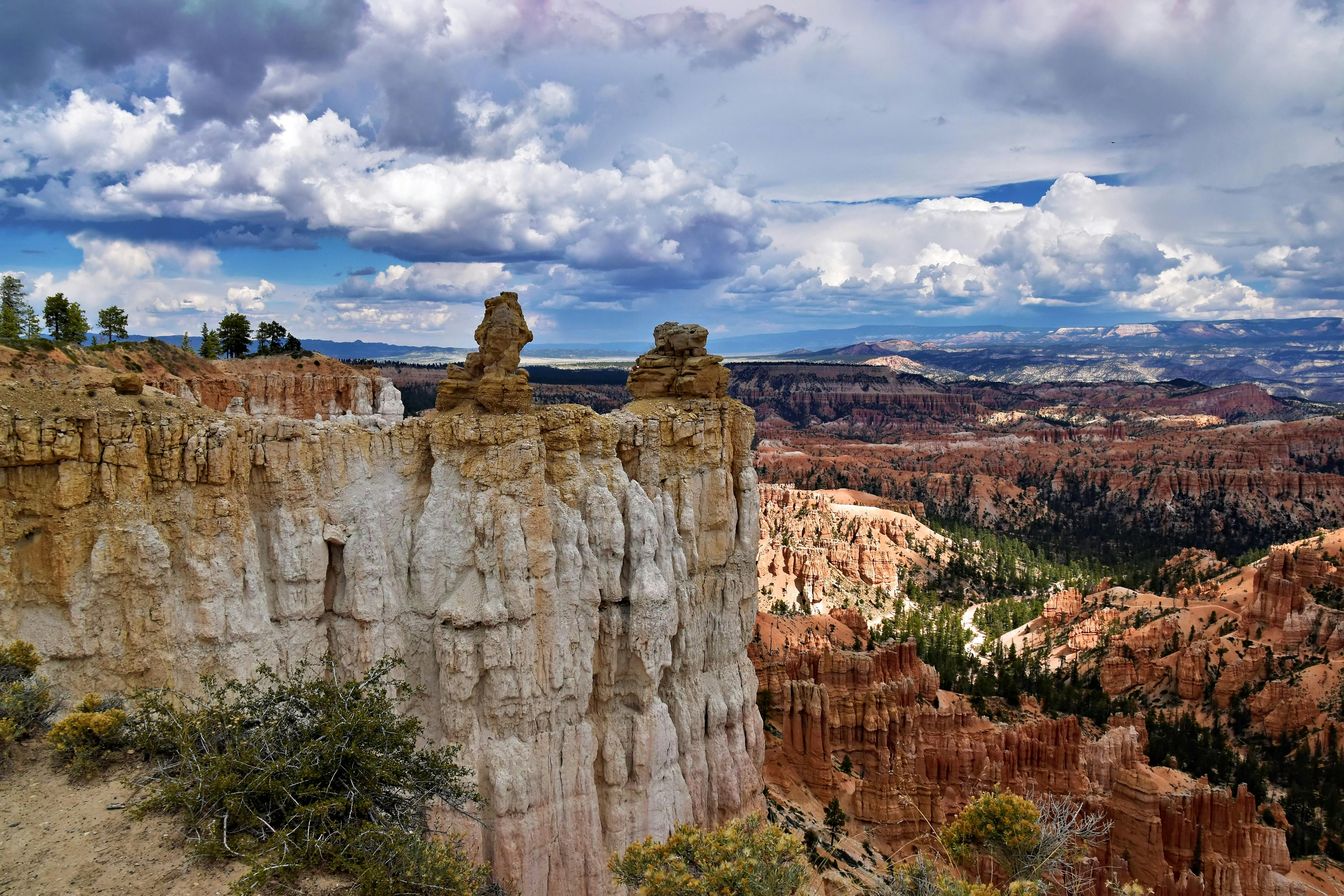
Planning your 2026 national park adventure requires more than just a map. Discover cutting-edge strategies for securing highly sought-after permits, explore exclusive eco-luxury accommodations, and learn how to navigate timed entry systems to experience America's most stunning landscapes without the stress. This ultimate guide will help you book the best national park tours, find sustainable travel options, and unlock hidden gems for an unforgettable, crowd-free journey.
Introduction to the Topic
The roar of a distant waterfall, the majesty of ancient redwoods, the breathtaking expanse of a desert canyon – America’s National Parks are sanctuaries of unparalleled beauty and adventure. For decades, these natural treasures have represented the ultimate escape, a place where the wild heart of the continent still beats strong. But as we step into 2026, the dream of an impromptu road trip to Yellowstone or a spontaneous hike in Zion has largely transformed into a meticulously planned expedition. Record-breaking visitation in recent years has necessitated new strategies for park management, leading to a landscape of timed entry systems, lottery permits, and advance booking requirements that can feel daunting to even the most seasoned traveler.
At tamingtiger.com, we understand that your desire to connect with nature is stronger than ever. You crave not just a visit, but an immersive experience – one that respects the environment, supports local communities, and offers genuine moments of tranquility away from the masses. This article is your definitive guide to mastering the 2026 national park experience. We'll cut through the confusion, reveal the secrets to securing those coveted reservations, and introduce you to a new era of sustainable, luxurious, and deeply rewarding park exploration. Get ready to transform your national park dreams into a meticulously planned, yet utterly wild reality.
Backgrounds & Facts
The evolution of national park access is a direct response to their overwhelming popularity. In 2025, the National Park Service reported an estimated 330 million recreation visits, a figure that continues an upward trend, putting immense pressure on fragile ecosystems, infrastructure, and the visitor experience itself. Iconic parks like Zion, Arches, Glacier, Rocky Mountain, and Yosemite have been at the forefront of implementing various access restrictions, including mandatory timed-entry tickets for specific roads or areas, and lottery systems for popular trails like Half Dome or Angels Landing.
These systems, while sometimes frustrating, are essential conservation tools. They aim to reduce traffic congestion, minimize erosion on trails, protect wildlife, and enhance visitor safety and enjoyment by spreading out crowds. However, they also mean that the days of simply showing up at the gate are largely over for many prime destinations during peak season. Understanding the nuances of each park's system, and being prepared to book months in advance – sometimes even a year for popular lodging – is now non-negotiable.
Beyond access, the conversation around national parks has increasingly shifted towards sustainability. Travelers in 2026 are more conscious than ever about their environmental footprint. This has fueled demand for eco-friendly accommodations, responsible tour operators, and ways to support conservation efforts directly. Parks themselves are investing in electric vehicle charging stations, promoting shuttle services, and educating visitors on Leave No Trace principles, making sustainable travel not just a choice, but an increasingly integrated part of the national park journey.
Expert Opinion / Analysis
We consulted with leading experts in park management, sustainable tourism, and travel planning to bring you the most current insights for 2026.
Dr. Evelyn Reed, Director of Conservation Strategies for the National Parks Foundation: "The era of unrestricted access to our most popular parks is firmly behind us. The timed entry and lottery systems aren't designed to keep people out; they're designed to preserve the parks for future generations and ensure a quality experience for those who visit. My advice for 2026? Be flexible with your dates, consider shoulder seasons, and absolutely, unequivocally, plan ahead. The early bird doesn't just get the worm, they get the national park permit."
Mark "Trailblazer" Johnson, CEO of Adventure Seekers Co.: "Many travelers feel overwhelmed by the booking process. That's where specialized tour operators come in. We don't just guide you; we handle the complex logistics of permits, lodging, and often offer exclusive access or curated experiences that are difficult to arrange independently. For our clients in 2026, the demand for multi-park adventures with seamless transitions and sustainable practices is skyrocketing. People want to see more, but they want to do it responsibly and without the booking headache."
Sarah Chen, Lead Travel Strategist at 'Wilderness Concierge': "Luxury in the national parks isn't just about five-star hotels anymore. It's about access, unique experiences, and peace of mind. Our clients are looking for high-end glamping experiences, private guided tours that avoid the main crowds, and bespoke itineraries that combine adventure with comfort. We're seeing a significant uptake in requests for private chefs, helicopter tours of park perimeters, and stays in exclusive eco-lodges that boast minimal environmental impact. The discerning traveler of 2026 wants to experience the wild without sacrificing comfort or their values."
The consensus is clear: successful national park travel in 2026 hinges on proactive planning, leveraging specialized services when needed, and embracing sustainable practices. The parks are still there for us, but our approach to visiting them must evolve.
💰 Best Options in Comparison (VERY IMPORTANT)
Navigating the 2026 national park landscape requires strategic choices. Here are the best options for booking, accommodation, and curated experiences, designed to maximize your adventure and minimize stress:
- Recreation.gov (Official NPS Booking Portal): Your first and most essential stop for all federal campground reservations, wilderness permits, and critical timed-entry tickets for many popular parks (e.g., Arches, Rocky Mountain, Glacier's Going-to-the-Sun Road). This is where the majority of individual permits are released. Success here requires diligence, setting calendar reminders, and being online precisely when reservations drop. It’s the most budget-friendly option but demands the most personal effort.
- Adventure Seekers Co. (Premium Guided Tours & Packages): For those who want to offload the logistical burden and gain expert insight, companies like Adventure Seekers Co. offer all-inclusive national park tours. They secure permits, arrange lodging (often in prime in-park locations or high-quality glamping sites), provide experienced guides, and handle transportation. Their packages often include access to less-traveled trails or unique activities, making them ideal for a deeper, hassle-free experience. They emphasize Leave No Trace principles and often partner with local conservation efforts.
- Wilderness Concierge (Luxury Bespoke Travel): Targeting the high-end traveler, Wilderness Concierge crafts fully customized, ultra-luxury national park itineraries. This can include private charter flights to nearby airfields, exclusive lodge buy-outs, private guided expeditions with top naturalists, and even access to private land adjacent to parks for unique viewing opportunities. They specialize in securing the most elusive permits and providing unparalleled comfort and privacy, focusing on sustainable luxury.
- Eco-Lodges & Sustainable Stays (Alternative Accommodations): Beyond traditional park lodges, a growing number of independent eco-lodges and sustainable resorts are emerging just outside park boundaries. Examples include "The Green Oasis" near Zion or "Summit Sanctuary" bordering Yosemite. These properties often feature LEED-certified construction, renewable energy sources, water conservation programs, and farm-to-table dining. They offer a luxurious, environmentally conscious base camp, often with their own shuttles or guided tours into the parks.
To help you decide, here’s a comparison table of key features:
| Feature | Recreation.gov | Adventure Seekers Co. | Wilderness Concierge | Eco-Lodges (Independent) |
|---|---|---|---|---|
| Booking Difficulty | High (competitive, manual) | Low (handled for you) | Very Low (fully managed) | Medium (direct booking, less competitive than NPS) |
| Sustainability Score | User-dependent (LNT principles) | High (certified operators, LNT focus) | Mid-High (bespoke, often carbon-offset) | Very High (core mission) |
| Price Range | Low-Mid (permits, basic camping) | Mid-High (all-inclusive packages) | Very High (ultra-luxury custom) | Mid-High (premium eco-stays) |
| Exclusive Access | No (standard public access) | Yes (guided tours, some permits) | Yes (private experiences, custom routes) | No (standard public access) |
| Best For | DIY Adventurers, Budget Travelers | Hassle-Free Explorers, Group Travel | Luxury Travelers, Privacy Seekers | Conscious Travelers, Unique Stays |
Pro-Tip for 2026: Don't overlook the "lesser-known" national parks and monuments. Places like Great Basin National Park, Canyonlands (the Needles district), or Black Canyon of the Gunnison offer incredible beauty with significantly fewer crowds and easier access. Combine a visit to a major park with a detour to a hidden gem for a truly balanced experience.
Outlook & Trends
Looking beyond 2026, the national park experience is poised for further innovation and adaptation. We anticipate several key trends shaping future park visits:
- Dynamic Pricing & Tiered Access: Expect to see more parks experimenting with demand-based pricing for entry or permits, similar to airline tickets. "Premium" access during peak hours or seasons might come at a higher cost, incentivizing off-peak visitation.
- AI-Powered Itinerary Planning: Advanced travel apps are likely to integrate AI to offer hyper-personalized itineraries. These tools will consider your interests, fitness level, real-time crowd data, weather forecasts, and even your carbon footprint preferences to suggest optimal routes and activities. Imagine an app that reroutes you to a less crowded viewpoint when a popular one is full.
- Expanded EV Infrastructure: With the global push for electric vehicles, expect a significant expansion of charging stations both within and immediately outside national park boundaries, making eco-conscious road trips even more feasible.
- Virtual & Augmented Reality Experiences: While not a replacement for physical presence, AR apps could enhance on-site learning (e.g., overlaying historical photos onto landscapes) and VR could offer immersive "pre-visit" tours, helping travelers plan more effectively and even explore inaccessible areas.
- Increased Focus on Community-Based Tourism: Parks will likely strengthen partnerships with gateway communities, promoting local businesses, cultural experiences, and responsible tourism that benefits residents directly. This encourages visitors to spend more time and money outside the park entrance, easing internal pressure.
The future of national park travel is about balance: balancing preservation with access, technology with wilderness, and individual adventure with collective responsibility. Those who adapt to these evolving trends will unlock the most rewarding experiences.
Conclusion
The allure of America’s National Parks remains as potent as ever, a timeless call to adventure, reflection, and connection with the natural world. While the journey to experience them in 2026 demands a new level of foresight and planning, the rewards are immeasurable. By understanding the booking systems, embracing sustainable travel choices, and leveraging expert resources, you can transform potential frustrations into opportunities for deeper engagement and unparalleled discovery.
Whether you're meticulously planning every detail on Recreation.gov, entrusting your adventure to a specialized tour operator, indulging in bespoke luxury, or seeking out an eco-friendly sanctuary, the wild heart of America awaits. Don't let the complexities deter you. Instead, let this guide empower you to unlock the majesty of our national parks, creating memories that will last a lifetime while safeguarding these treasures for generations to come. Start planning your 2026 national park adventure today – the wilderness is calling, and now you have the map to answer.