
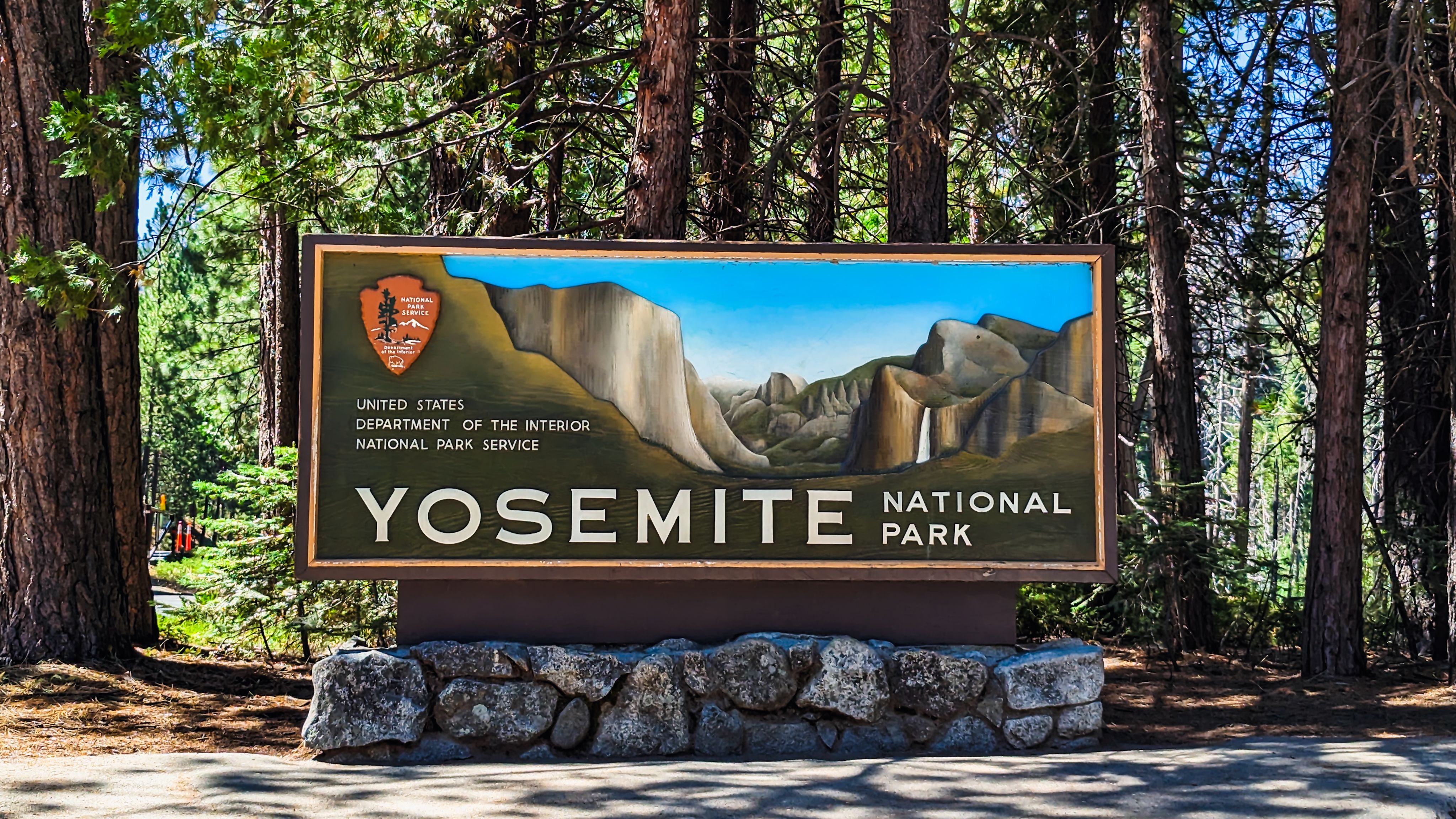
You scroll past endless feeds of majestic peaks, turquoise lakes, and sun-drenched canyons. You hit 'like,' dream of your own perfect escape. But behind the filters, beyond the carefully cropped edges of every Instagram post, America's crown jewels are silently crumbling. A crisis of epic proportions is unfolding in our National Parks, threatening not just the pristine beauty you crave, but the very legacy of wilderness for generations to come. What if the most breathtaking places on Earth are being loved to death, and you're not seeing the full, heartbreaking picture?
🔥 What's Happening Right Now
The allure of America’s National Parks has never been stronger. Post-pandemic, a surge in outdoor recreation, fueled by social media’s endless stream of picture-perfect moments, has transformed these sanctuaries into some of the most sought-after destinations on the planet. Millions are flocking to Yosemite, Zion, Yellowstone, and Acadia, seeking solace, adventure, and that iconic photo op. The numbers are staggering: in 2023 alone, the National Park System recorded over 325 million visits, a testament to their enduring appeal. But this unprecedented popularity is a double-edged sword, masking a profound and escalating crisis that rarely makes it into your curated feeds.
Behind the awe-inspiring vistas, our parks are struggling under immense pressure. The infrastructure, much of it decades old, is buckling. Roads are crumbling, trails are eroding, visitor centers are overflowing, and restrooms are overwhelmed. Imagine waiting an hour just to park at a popular trailhead, only to find the trail itself a congested highway of hikers. This isn't the tranquil wilderness experience promised by the glossy travel brochures; it's the stark reality for countless visitors during peak seasons. Trash accumulation, human waste, and trampled vegetation are becoming increasingly common sights, scars on landscapes that should remain untouched.
Beyond the visible wear and tear, a more insidious threat looms: climate change. While you might not see a melting glacier on your friend's Instagram story, its effects are undeniable and accelerating. Wildfires, fueled by prolonged droughts and hotter temperatures, devastate vast tracts of forest in parks like Sequoia and Kings Canyon, forever altering ecosystems and closing crucial access points. Rising sea levels threaten coastal treasures like Everglades National Park, while increased flooding events reshape landscapes and destroy historical structures in others. Wildlife, already stressed by habitat encroachment and human presence, faces unprecedented challenges as their migratory patterns are disrupted and their food sources dwindle. The silent struggle for survival among these iconic species is the true unseen battle.
Adding to this perfect storm is a chronic underfunding issue. The National Park Service (NPS) faces a staggering multi-billion-dollar deferred maintenance backlog, a debt that grows larger with each passing year. This isn't just about cosmetic fixes; it's about essential repairs to water systems, bridges, historic buildings, and critical visitor safety infrastructure. Park rangers, the frontline heroes, are often understaffed, underpaid, and stretched thin, struggling to manage crowds, enforce regulations, and protect both visitors and resources. The narrative of pristine, untouched wilderness is a powerful one, but the truth is, our parks are fighting for their lives, and the filters of social media are making it harder for the public to see the full extent of the damage.
💡 Financial Impact
The economic value of America’s National Parks is undeniable, yet often overlooked in the conservation debate. These natural wonders are not just ecological treasures; they are powerful engines driving local and regional economies. In 2023, visitor spending in communities near national parks generated an estimated $25 billion, supporting over 370,000 jobs and contributing billions in labor income. From small-town motels and restaurants to outdoor gear retailers and guided tour operators, the ripple effect of park tourism is immense. This economic vitality, however, is increasingly fragile due to the very crisis unfolding within the parks themselves.
The financial impact of the hidden crisis manifests in several critical ways. First, the deferred maintenance backlog translates into lost opportunities. Crumbling roads and outdated facilities can lead to temporary closures or reduced access, directly impacting visitor numbers and, consequently, local business revenue. Imagine a bridge closure forcing a detour that bypasses a small town entirely, or a campground closure during peak season costing local businesses thousands in lost sales. These are not hypothetical scenarios; they are the direct consequences of underinvestment.
Second, climate change-induced events carry a heavy financial toll. The cost of fighting massive wildfires, rebuilding infrastructure after floods, or adapting to sea-level rise runs into the hundreds of millions, often diverting funds from essential maintenance and operational needs. These reactive expenditures are far more costly than proactive investments in climate resilience and preventative maintenance. The insurance industry is already grappling with the rising risks associated with properties adjacent to wildland-urban interfaces, and the long-term economic stability of communities reliant on park tourism is increasingly uncertain.
Furthermore, the degradation of the visitor experience due to overcrowding, lack of facilities, and environmental damage can lead to a decline in repeat visits and overall satisfaction. While the initial draw of an Instagram-worthy shot might bring people in, a frustrating experience can deter future engagement and advocacy. This erodes the long-term economic sustainability of the parks and the businesses that depend on them. The "brand" of America's National Parks, a powerful magnet for domestic and international tourism, is at risk of being tarnished by the hidden realities.
For businesses and conscious consumers, this crisis presents both a challenge and a significant commercial opportunity. The need for sustainable solutions, eco-friendly products, and responsible travel services is skyrocketing. Investors are increasingly looking at companies that align with environmental, social, and governance (ESG) principles, and the national parks represent a critical intersection of these values. From innovative waste management solutions to renewable energy infrastructure, from carbon offsetting programs to high-quality, durable outdoor gear, the market for products and services that help mitigate the park crisis is poised for substantial growth. The financial imperative to protect our parks is clear: investing in their health is investing in our collective economic future and securing a legacy of priceless natural capital for generations to come.
💰 Best Options in Comparison
Understanding the hidden crisis in our National Parks is the first step; taking action is the crucial next. For individuals and businesses alike, there are tangible, impactful ways to contribute to the solution, often aligning with smart financial and lifestyle choices. Here's a breakdown of options, highlighting their commercial value and how you can make a difference.
| Option Category | Description & Benefit | Commercial Value & Impact | Call to Action |
|---|---|---|---|
| Sustainable Gear & Apparel | Invest in high-quality, durable, and eco-friendly outdoor equipment. Reduces waste, supports ethical manufacturing, and ensures longevity for your adventures. Less frequent replacement means long-term savings. | High-value purchases from brands like Patagonia, REI, Cotopaxi, Arc'teryx. Strong affiliate potential. Supports responsible consumerism and circular economy models. Growing market for repair services. | Upgrade your kit responsibly. Look for certifications like Bluesign, Fair Trade, or B-Corp. Prioritize durability over disposability. |
| Direct Conservation Support | Donate to the National Park Foundation or local "Friends of" groups. Your funds directly support maintenance, wildlife protection, educational programs, and climate resilience initiatives. | Direct donations, merchandise sales (t-shirts, hats, guides), memberships. Tax-deductible contributions. Creates a strong community and brand loyalty around conservation. | Become a park steward. Every dollar makes a difference to specific projects and ongoing needs. Consider recurring monthly contributions. |
| Eco-Conscious Travel & Lodging | Choose certified green hotels, responsible tour operators, and consider public transport, carpooling, or electric vehicles. Minimize your carbon footprint and support local economies ethically. | Booking platforms for eco-lodges, responsible tour packages, carbon offsetting services. Affiliate partnerships with sustainable travel companies. EV charging infrastructure development. | Plan your next trip with purpose. Seek out certified eco-friendly options, utilize park shuttles, and offset your travel emissions. |
| Responsible Visitor Planning | Utilize reservation systems (e.g., timed entry), visit during off-peak seasons, and practice Leave No Trace principles diligently. Reduces overcrowding, preserves natural integrity, and enhances your own experience. | Travel guides, reservation apps, Leave No Trace educational courses/materials. Travel insurance for less predictable off-peak trips. Niche market for remote/backcountry permits and gear. | Be a prepared, respectful visitor. Your planning makes a difference in managing park capacity and preserving delicate ecosystems. |
| Advocacy & Education | Stay informed about park policies, engage with elected officials, and share knowledge about responsible outdoor ethics. Amplifies the message and drives systemic change through policy and public awareness. | Books, documentaries, online courses on conservation and outdoor ethics. Subscriptions to environmental publications. Platforms for civic engagement and community organizing. | Use your voice and knowledge. Educate yourself and others about the challenges and solutions facing our parks. Share this article! |
These options are not mutually exclusive; rather, they form a comprehensive approach to addressing the crisis. By making conscious choices in your consumer habits, travel planning, and civic engagement, you become an active participant in preserving these irreplaceable landscapes. The commercial landscape is rapidly shifting towards sustainability, and aligning your spending and investment with these values offers both personal satisfaction and strategic advantage. It’s about more than just a single purchase; it’s about fostering a lifestyle that prioritizes the health of our planet and its most cherished wild places.
Conclusion
The breathtaking vistas of our National Parks are more than just pretty pictures; they are vital ecosystems, economic drivers, and sacred spaces that define the American spirit. The crisis they face – from overwhelming crowds and crumbling infrastructure to the silent ravages of climate change – is real, urgent, and demands our immediate attention. It's a crisis largely hidden from the curated perfection of social media, but its impact is felt deeply by those on the ground and those who truly understand the parks' critical role.
At tamingtiger.com, we believe that understanding leads to action, and action leads to solutions. By moving beyond passive admiration to active, informed stewardship, we can transform the narrative. Our choices as consumers, travelers, and citizens hold immense power. Investing in sustainable gear, supporting conservation efforts, choosing eco-conscious travel, and advocating for change are not just noble gestures; they are strategic decisions that safeguard our natural heritage and contribute to a more resilient future. The time to tame these wild challenges is now, ensuring that the majesty of our National Parks endures, not just in pixels, but in perpetuity.