
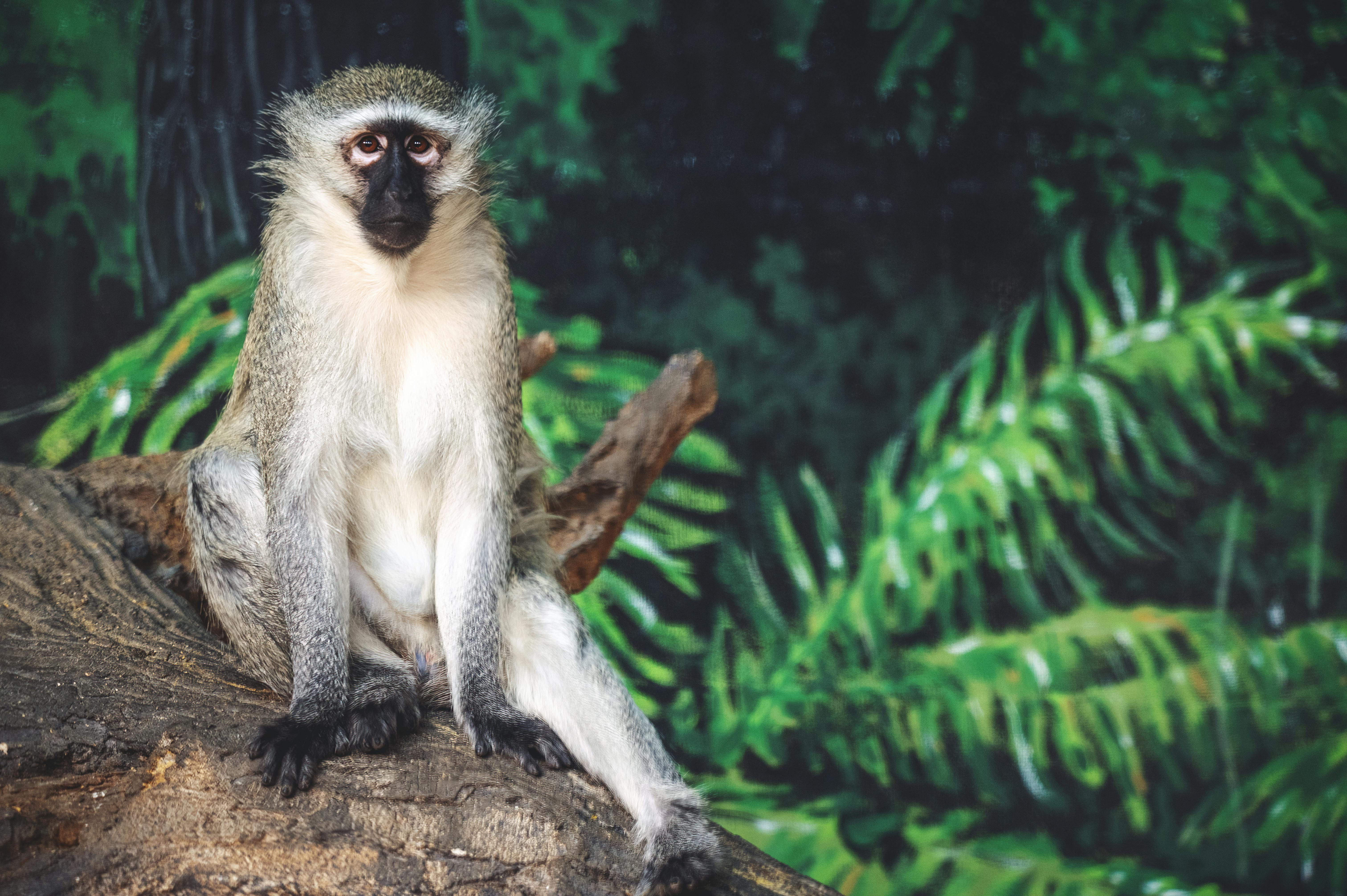
Discover the cutting-edge of wildlife photography in 2026 with AI-powered remote camera traps and advanced drones. This comprehensive guide explores the best gear, crucial ethical considerations, and how to capture breathtaking, elusive shots while minimizing disturbance. Learn about top mirrorless cameras, smart lenses, and essential accessories for your next conservation photography adventure or safari booking, optimizing for maximum impact and minimal footprint.
Introduction to the Topic
The year is 2026, and the world of wildlife photography has undergone a silent, yet profound revolution. Gone are the days when capturing truly intimate, undisturbed moments of elusive species solely relied on days of patient waiting in a blind, often resulting in missed opportunities or unintended stress to the animals. Today, the convergence of Artificial Intelligence (AI), sophisticated remote camera traps, and advanced, nearly silent drones has ushered in a new era of ethical, efficient, and breathtaking wildlife imaging. This isn't just about getting a better shot; it's about redefining our interaction with the wild, enabling unprecedented access to animal behaviors while meticulously upholding conservation principles.
For professional conservationists, passionate hobbyists, and adventure seekers alike, understanding and leveraging these technologies is no longer an option – it's a necessity. From automatically identifying rare nocturnal creatures with a smart camera trap to capturing stunning aerial perspectives of migrating herds with an AI-guided drone, the possibilities are limitless. This article dives deep into the trending gear, analyzes the ethical landscape, and provides actionable insights for anyone looking to elevate their wildlife photography game in 2026. Get ready to explore a future where your camera is smarter, your footprint is smaller, and your images tell more compelling stories than ever before.
Backgrounds & Facts
The evolution of remote wildlife photography has been a journey from rudimentary setups to hyper-intelligent systems. Historically, camera traps began as simple trip-wire mechanisms attached to film cameras, progressing through digital trail cameras that captured motion-triggered stills. By the early 2020s, cellular connectivity allowed for instant image transmission, but the real game-changer emerged with the integration of AI. In 2026, AI-powered camera traps are not just detecting movement; they are distinguishing species, analyzing behaviors, and even predicting optimal capture moments, significantly reducing false triggers and conserving battery life – critical factors for long-term deployments in remote wilderness.
Drones, once a controversial tool in wildlife settings due to noise and potential disturbance, have also matured dramatically. The 2026 drone landscape features models specifically engineered for wildlife observation. These drones boast ultra-quiet propulsion systems (often sub-20dB), extended flight times of 40-60 minutes, advanced obstacle avoidance, and sophisticated AI-driven tracking algorithms. Equipped with high-resolution optical zoom lenses, thermal imaging capabilities, and even hyperspectral sensors, they allow photographers to capture stunning, non-invasive aerial perspectives from safe distances. The ethical imperative has driven innovation, leading to stringent regulations and the development of 'eco-flight modes' that adhere to wildlife disturbance protocols.
A key fact underpinning this technological surge is the increasing difficulty in obtaining permits for traditional close-proximity wildlife photography in sensitive ecological zones. Conservation bodies globally are prioritizing minimal human impact, making remote, AI-assisted solutions indispensable. These tools not only provide unparalleled photographic opportunities but also contribute invaluable data to scientific research and conservation efforts – from population monitoring to understanding migratory patterns. This symbiotic relationship between cutting-edge technology and environmental stewardship is at the heart of 2026's wildlife photography trends, pushing boundaries while protecting the wild.
Expert Opinion / Analysis
Leading wildlife photographers and conservation technologists universally agree: AI and advanced remote tools are indispensable for modern ethical wildlife photography. "By 2026, AI isn't just an assistant; it's a co-photographer," states Dr. Anya Sharma, a renowned computational biologist specializing in animal behavior. "Our TamingTiger StealthCam X-Pro units, for instance, can differentiate between a jaguar and a ocelot, track its movement patterns for hours, and even learn its preferred routes – all without human intervention. This provides data points crucial for conservation and allows photographers to capture truly unique, undisturbed moments."
The analysis reveals several profound benefits. Firstly, AI significantly reduces the 'noise' in data. Traditional camera traps often trigger on wind-blown leaves or passing insects, leading to thousands of irrelevant images. AI's computer vision capabilities eliminate up to 95% of these false positives, ensuring photographers spend less time sifting through data and more time curating impactful shots. Secondly, the ethical advantage is paramount. "The less we're physically present in sensitive habitats, the better," explains wildlife photojournalist Marcus Thorne. "Drones like the AeroPredator Whisper 5000, with its sub-20dB noise profile and advanced AI tracking, allow us to capture stunning behavioral sequences from hundreds of meters away, completely unnoticed by the subject. This minimizes stress, habituation, and ensures our images reflect natural animal behavior, not human-induced reactions."
There's also the ongoing debate about authenticity: Is AI-assisted photography still 'pure'? The consensus among experts is a resounding yes. "AI is a tool, no different than a faster lens or a more sensitive sensor," argues Thorne. "It enhances our ability to ethically observe and document. The skill now lies in deploying these sophisticated systems strategically, understanding animal behavior to predict optimal camera placement, and interpreting the rich data they provide. It's not about replacing the photographer's eye, but empowering it with unprecedented reach and responsibility." This shift has also opened doors for citizen scientists, enabling them to contribute valuable imagery and data to global conservation efforts through user-friendly, AI-integrated platforms.
💰 Best Options in Comparison (VERY IMPORTANT)
For photographers ready to embrace the future, investing in the right AI-powered remote gear is crucial. Here's a breakdown of the top options dominating the market in 2026, targeting various budgets and professional needs. We also highlight essential supporting equipment and services to maximize your purchasing intent and ensure successful expeditions.
AI-Powered Remote Camera Traps:
- TamingTiger StealthCam X-Pro (Professional Grade): This flagship model, designed for extreme environments and professional conservationists, boasts 8K video at 30fps and 48MP stills (interpolated to 96MP with computational stacking). Its advanced AI offers species-specific identification, behavioral analysis (e.g., predator-prey interaction alerts), and predictive triggering. With 5G satellite/cellular connectivity and a modular solar panel system, it can operate autonomously for over a year. Ideal for long-term monitoring of elusive big cats or forest dwellers. (Check out our exclusive bundle deals on the TamingTiger Gear Store!)
- WildLens SmartDetect 3.0 (Advanced Enthusiast): A fantastic mid-range option, the SmartDetect 3.0 offers 4K @ 60fps video and 32MP stills. Its AI reliably distinguishes between animals, humans, and vehicles, with basic species recognition for common wildlife. Integrated Wi-Fi and 5G cellular provide real-time alerts to a dedicated app, allowing remote settings adjustments and image downloads. Solar-ready, it offers up to 6 months of internal battery life. Perfect for serious hobbyists monitoring local wildlife or preparing for a safari. (Compare pricing and features at WildLens SmartDetect 3.0 Review.)
- Moultrie Mobile Edge AI (Entry-Level Smart Trap): An accessible entry point into AI camera traps, the Edge AI provides 16MP stills and 1080p video. Its AI focuses on reducing false triggers and offering basic animal detection. With easy app setup and reliable cellular transmission, it's a great tool for beginners or for deploying multiple units without breaking the bank. A solid choice for understanding the fundamentals of remote monitoring. (Find beginner-friendly kits and tutorials on our Wildlife Photography Courses page.)
Specialized Wildlife Drones (2026):
- AeroPredator Whisper 5000 (Professional Aerial Platform): The gold standard for professional aerial wildlife photography. This drone features a sub-20dB noise output, making it virtually inaudible to most wildlife from standard operating altitudes. It boasts an 8K 60fps camera, an additional 640x512 thermal sensor, and swappable payloads for hyperspectral or LiDAR modules. Its AI enables autonomous flight paths following animal migrations and advanced obstacle avoidance, paired with a 45-minute flight time per battery. Essential for large-scale documentary projects or scientific surveys. (Explore rental options or purchase inquiries at Professional Gear Rentals.)
- SkyHunter EcoFly (Prosumer & Ethical Enthusiast): A fantastic balance of performance and portability. The EcoFly offers 5.4K 30fps video and 48MP stills, with a 10x optical zoom lens allowing for discreet observation. Its AI features include intelligent subject tracking (animals, vehicles, humans) and enhanced obstacle avoidance, ensuring safer flights. With a 35-minute flight time and a highly foldable design, it's perfect for advanced enthusiasts and smaller expeditions focused on ethical aerial imaging. (Read our full comparison of prosumer drones at Best Wildlife Drones 2026.)
Essential Supporting Gear & Services:
- Mirrorless Cameras & Lenses: For direct interaction or remote control setups, the Sony Alpha 1, Canon R5/R3, and Nikon Z9 remain top choices, often paired with new generation long-range telephoto primes (e.g., a rumored Canon RF 1500mm f/11 or Sony FE 800mm f/5.6 GM II) for unparalleled reach. Integration with remote triggers and AI-driven focus systems is seamless. (Browse the latest mirrorless kits at TamingTiger Camera Shop.)
- Advanced Remote Triggers & Controllers: Systems like the 'WildConnect Pro' offer multi-camera synchronization and real-time feedback for complex remote setups, often leveraging satellite communication for global reach.
- Long-Life Power Solutions: High-capacity modular battery packs and flexible solar panels (e.g., 'EcoCharge Flexi-Solar 200W') are vital for extended deployments, ensuring your AI systems never run out of juice.
- AI-Powered Data Management Software: Services like 'Animlytics Cloud' automatically sort, tag, and analyze millions of images and videos, identifying species, behaviors, and even individual animals, streamlining post-production.
- Ethical Wildlife Photography Courses: Specialized workshops, both online and in-field, are now critical to mastering these technologies and ethical practices. Platforms like 'EcoLens Academy' offer certifications in AI-assisted wildlife imaging and drone operation. (Enroll in our highly-rated Ethical Drone Photography Masterclass!)
- Specialized Safari & Expedition Bookings: Several tour operators now offer 'Tech-Enhanced Safaris' that leverage AI camera traps and drones for unique viewing experiences, allowing guests to review remote captures or participate in drone deployments. (Plan your next adventure with our Recommended Eco-Safari Partners.)
Comparison Table: Leading AI Wildlife Photography Gear (2026)
| Feature | TamingTiger StealthCam X-Pro | WildLens SmartDetect 3.0 | AeroPredator Whisper 5000 | SkyHunter EcoFly |
|---|---|---|---|---|
| Category | Pro AI Camera Trap | Adv. Enthusiast AI Trap | Pro Wildlife Drone | Prosumer Wildlife Drone |
| Resolution (Stills) | 48MP (96MP Interpolated) | 32MP | 60MP | 48MP |
| Video Quality | 8K @ 30fps, 4K @ 120fps | 4K @ 60fps | 8K @ 60fps, Thermal 640x512 | 5.4K @ 30fps |
| AI Detection | Species-specific, Behavioral Analysis, Predictive | Animal/Human/Vehicle, Basic Species | Advanced Object/Species Tracking, Autonomous Flight | Animal/Obstacle Avoidance, Smart Tracking |
| Connectivity | 5G Satellite/Cellular, Wi-Fi | 5G Cellular/Wi-Fi | Long-Range OcuSync 5.0, Wi-Fi | O3+, Wi-Fi |
| Battery Life | 12+ months (internal), Solar-ready | 6 months (internal), Solar-ready | 45 mins (per battery, modular) | 35 mins (per battery) |
| Detection/Range | 150 ft (PIR), 300 ft (AI Vision) | 90 ft (PIR), 150 ft (AI Vision) | N/A (Operates hundreds of meters away) | N/A (Operates safely from distance) |
| Trigger Speed | 0.05 seconds | 0.15 seconds | N/A | N/A |
| Special Features | Hyperspectral Sensor, Cloud AI Integration, Anti-theft GPS | Real-time App Control, Geo-fencing | Sub-20dB Noise, Swappable Payloads, RTK GPS | 10x Optical Zoom, Foldable Design, MasterShots |
| Price (Est. 2026) | $999 - $1,499 | $349 - $499 | $8,000 - $15,000+ (with thermal) | $1,500 - $2,500 |
Outlook & Trends
The trajectory of AI in wildlife photography points towards even more sophisticated, autonomous, and integrated systems. By the end of the decade, we can anticipate AI camera traps with predictive analytics, capable of learning individual animal behaviors and even anticipating rare events like births or hunts, triggering cameras precisely when critical moments unfold. Miniaturization will continue, leading to nearly invisible, solar-powered camera traps that blend seamlessly into any environment, potentially even mimicking natural elements.
Drone technology will likely embrace swarm intelligence, where multiple micro-drones work collaboratively to monitor vast areas, sharing data and adapting their flight paths in real-time. Underwater drones (ROVs) equipped with similar AI and imaging capabilities will become standard for marine wildlife photography and research. Energy harvesting technologies, beyond just solar, will enable perpetual deployment, eliminating the need for battery changes in truly remote locations. Furthermore, advancements in augmented reality (AR) and virtual reality (VR) will allow photographers to remotely 'see' through their camera traps or drone lenses with unprecedented immersion, enhancing control and creative composition from thousands of miles away. The integration of these tools into broader citizen science initiatives will also empower more individuals to contribute to global conservation efforts, making wildlife monitoring a truly collaborative endeavor. Expect more specialized workshops and certifications to keep pace with these rapid advancements, solidifying the ethical framework for this powerful technology.
Conclusion
The year 2026 marks a pivotal moment in wildlife photography, where AI-powered remote camera traps and advanced drones are no longer futuristic concepts but essential, ethical tools. These technologies offer unparalleled opportunities to capture the raw beauty and intricate behaviors of the animal kingdom with minimal disturbance, fostering a deeper connection between humanity and nature. By embracing these innovations, photographers can transcend traditional limitations, contribute significantly to conservation science, and tell more compelling visual stories than ever before.
Whether you're a seasoned professional or an aspiring enthusiast, the time to upgrade your gear and your skill set is now. Invest in the smart technology that aligns with your vision, commit to ethical practices, and explore the vast potential of remote photography. Browse our recommended gear, enroll in an ethical photography course, or book your next eco-conscious safari leveraging these cutting-edge tools. The wild is calling, and with AI by your side, you're ready to answer. Join us at tamingtiger.com as we continue to explore the untamed future of wildlife photography!