
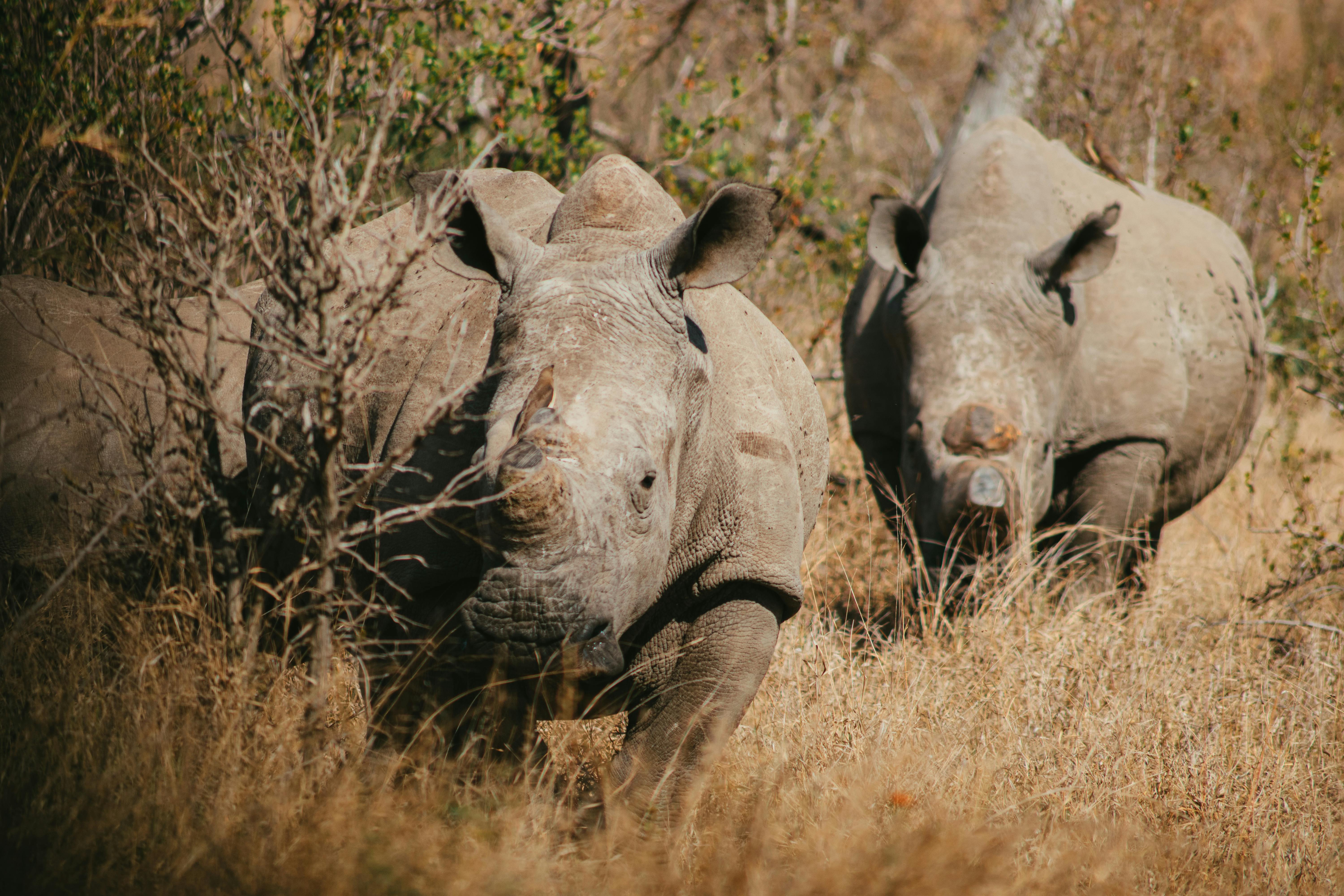
Discover the transformative world of ethical safaris and sustainable wildlife travel in 2026. Learn how your travel choices directly fund conservation, empower local communities, and provide unparalleled wildlife encounters. This guide compares top eco-tour operators, lodges, and certifications, ensuring your next adventure maximizes positive impact and unforgettable memories. Optimize your purchasing decisions for genuine wildlife advocacy and responsible tourism.
Introduction to the Topic
The year 2026 stands at a pivotal moment for global travel. As awareness of climate change and biodiversity loss intensifies, travelers are no longer content with mere sightseeing; they seek purpose, meaning, and a positive footprint. This shift has propelled 'impact travel' and 'ethical safaris' from niche concepts to mainstream aspirations, especially within the wildlife advocacy sector. But what exactly does it mean to travel ethically when encountering the wild? And how can you, the conscious consumer, navigate a market increasingly flooded with 'green' claims to ensure your hard-earned money genuinely supports conservation?
At tamingtiger.com, we believe that responsible tourism is one of the most powerful tools for wildlife advocacy. When done right, it provides crucial funding for anti-poaching efforts, habitat protection, and community development, offering a sustainable alternative to industries that exploit natural resources. This article is your definitive guide to understanding, choosing, and booking a safari that not only fulfills your desire for adventure but also actively contributes to the preservation of our planet's most magnificent creatures and their ecosystems. Prepare to dive deep into the world where unforgettable experiences meet profound positive impact, optimizing your travel investment for both personal enrichment and global good.
Backgrounds & Facts
The concept of ecotourism emerged decades ago, promising a way to fund conservation through travel. However, the rapid growth of the industry has led to challenges, notably 'greenwashing' – where companies make unsubstantiated claims about their environmental practices. In 2026, distinguishing genuine ethical operators from superficial ones is more critical than ever. The stakes are incredibly high: according to the IUCN, over 42,100 species are currently threatened with extinction, a number that continues to climb due to habitat destruction, climate change, and poaching.
Yet, there's hope. Well-managed sustainable safaris have proven to be a vital economic engine for conservation. In regions like East Africa, wildlife tourism directly contributes billions of dollars annually, funding national parks, employing local rangers, and incentivizing communities to protect wildlife rather than exploit it. For instance, studies show that tourist revenue can represent over 70% of protected area budgets in some African nations. Beyond direct financial contributions, ethical safaris foster environmental education, cultural exchange, and a global constituency for wildlife protection.
Key indicators of genuine commitment include robust conservation programs (e.g., species monitoring, anti-poaching units, habitat restoration), strong community engagement (fair wages, local sourcing, educational initiatives), and transparent environmental policies (waste management, renewable energy, water conservation). Certifications from reputable bodies such as the Global Sustainable Tourism Council (GSTC), B Corp, or specific regional eco-labels (like Fair Trade Tourism in Africa) provide a crucial layer of verification, helping consumers cut through the noise and identify truly responsible operators. The trend for 2026 is moving towards greater transparency, with some operators even leveraging blockchain technology to show donors and travelers exactly where their conservation contributions are being spent.
Expert Opinion / Analysis
“In 2026, the ethical safari isn't just a choice; it's an imperative,” states Dr. Anya Sharma, Director of the Global Wildlife Trust and a leading voice in conservation economics. “The days of passive tourism are over. Travelers today wield immense power – the power to fund vital conservation work, to empower marginalized communities, and to shape the future of biodiversity. My research consistently shows that when travelers consciously choose certified, transparent eco-operators, the positive ripple effect across ecosystems and communities is profound and measurable.”
Dr. Sharma emphasizes the evolution of the industry: “We're seeing a shift from simply 'not harming' to actively 'regenerating.' The best operators in 2026 aren't just minimizing their footprint; they're investing in rewilding projects, carbon-negative initiatives, and innovative community ownership models. This means your safari isn't just a trip; it's an investment in ecological restoration and social justice. When evaluating options, look beyond glossy brochures. Ask for their annual impact reports, inquire about their local hiring practices, and specifically how your safari fees contribute to tangible conservation outcomes. Transparency is the new luxury.”
Furthermore, the integration of technology is transforming the ethical safari landscape. “AI-powered real-time wildlife tracking, drone surveillance for anti-poaching, and virtual reality experiences that educate travelers before they even arrive are becoming standard for leading operators,” Dr. Sharma adds. “This technology enhances both the guest experience and the efficacy of conservation efforts. The savvy traveler in 2026 will prioritize operators who are not just environmentally conscious but also technologically forward-thinking in their conservation strategies.”
💰 Best Options in Comparison (VERY IMPORTANT)
Choosing the right ethical safari experience can be daunting with so many options available. To help you make an informed decision that aligns with your values and budget, we've categorized and compared some of the leading approaches and types of operators in 2026. Remember, the 'best' option depends on your personal priorities: luxury, community immersion, adventure, or scientific contribution.
- Luxury Conservation Lodges (e.g., Singita, andBeyond, Great Plains Conservation): These operators offer unparalleled luxury accommodations with direct, significant contributions to large-scale conservation projects. They often own or manage vast private concessions, ensuring exclusive wildlife viewing and extensive anti-poaching and community development programs. Ideal for travelers seeking premium comfort, personalized service, and a substantial, transparent conservation impact. Prices are at the higher end, reflecting the exclusivity and extensive investment in sustainability.
- Community-Based Ecotourism Operators (e.g., Ol Pejeta Conservancy in Kenya, various local trusts in Botswana): These initiatives are often owned or heavily managed by local communities, ensuring that profits directly benefit the people who live alongside the wildlife. They provide authentic cultural experiences, often simpler accommodations, and a deep immersion into local life and conservation challenges. Perfect for travelers seeking genuine cultural exchange, direct community impact, and a more rustic, intimate experience. Often more budget-friendly than luxury options.
- Adventure & Volunteer Hybrid Safaris (e.g., GVI, African Impact, specific NGO-partnered tours): These programs combine traditional safari elements with hands-on conservation work or scientific research. Travelers might participate in species monitoring, habitat restoration, or anti-poaching patrols alongside expert guides and researchers. Ideal for active, adventurous travelers who want to contribute directly to scientific data collection or fieldwork. Accommodations can range from basic tented camps to comfortable field stations. These are highly impactful for those seeking a 'working holiday' with a strong educational component.
- Certified Carbon-Neutral & Regenerative Tours (e.g., certain small-group operators certified by Climate Neutral, Future-Fit): A growing segment focused not just on minimizing impact but actively restoring ecosystems. These tours often feature specific rewilding projects, carbon offsetting initiatives (sometimes beyond net-zero), and prioritize local sourcing and circular economy principles. Look for operators with transparent carbon footprint reports and verifiable regenerative projects.
Comparison Table: Ethical Safari Options 2026
| Feature | Luxury Conservation Lodges | Community-Based Ecotourism | Adventure & Volunteer Hybrid | Certified Carbon-Neutral/Regenerative |
|---|---|---|---|---|
| Conservation Impact | High; large-scale funding & private land protection | Direct; community-driven habitat & species protection | Very High; direct hands-on research & fieldwork | High; focus on net-positive ecological restoration |
| Community Benefit | Significant; employment, education, infrastructure | Very High; direct revenue & ownership for locals | Moderate; local employment & knowledge transfer | High; local sourcing, green jobs, circular economy |
| Experience Type | Exclusive, high-comfort, personalized game drives | Authentic cultural immersion, intimate wildlife viewing | Active, educational, hands-on conservation work | Eco-focused, often smaller groups, deep nature connection |
| Accommodation | 5-star luxury lodges, private villas | Comfortable camps, guesthouses, cultural homestays | Basic to comfortable field camps, tented lodges | Eco-lodges, sustainable guesthouses, glamping |
| Price Range (per person, per night est.) | $$ (USD 1000+) | $ (USD 200-500) | $$ (USD 400-800) | $$ (USD 500-900) |
| Key Certifications to Look For | GSTC, B Corp, specific regional eco-labels | Fair Trade Tourism, local trust affiliations | Reputable NGO partnerships, scientific affiliations | Climate Neutral, Future-Fit, B Corp, specific carbon certs |
When booking, always inquire about their specific conservation projects, how they measure impact, and request references or testimonials. Utilize platforms like ResponsibleTravel.com or certified tour operator directories to find verified options. Your choice is a vote for the future of wildlife.
Outlook & Trends
Looking ahead to 2026 and beyond, the ethical safari landscape is poised for even greater innovation and impact. We anticipate a surge in 'regenerative tourism' where the goal isn't just to minimize harm but to actively leave a place better than you found it. This will manifest in more rewilding-focused itineraries, direct investment in ecosystem restoration, and even 'citizen science' safaris where travelers contribute to data collection using advanced portable tech.
Personalization will reach new heights, with AI-driven platforms matching travelers with bespoke itineraries that align perfectly with their conservation interests and desired impact areas. Blockchain technology is expected to offer unprecedented transparency in tracking conservation donations, allowing travelers to see the exact journey of their funds, from booking to boots on the ground. Expect to see more immersive virtual reality pre-trip experiences, preparing travelers for their journey while educating them on local customs and conservation challenges.
Furthermore, the focus on indigenous wisdom and leadership in conservation will strengthen, with more tours directly supporting and being guided by local communities who possess invaluable ancestral knowledge of their ecosystems. The future of ethical safaris is bright, promising deeper connections, greater transparency, and ultimately, more powerful advocacy for the wild world.
Conclusion
The choice to embark on an ethical safari in 2026 is more than just planning a vacation; it's a powerful act of wildlife advocacy. By consciously selecting operators committed to genuine conservation, community empowerment, and environmental stewardship, you become an active participant in protecting our planet's precious biodiversity. Your travel investment transforms into a lifeline for species on the brink, a source of sustainable livelihood for local populations, and an educational journey that deepens your connection to the natural world.
Arm yourself with knowledge, scrutinize claims, and prioritize transparency and verifiable impact. The future of wildlife depends on responsible choices today. Choose wisely, travel with purpose, and let your next adventure be a testament to the power of ethical engagement. Your journey can truly make a difference.