
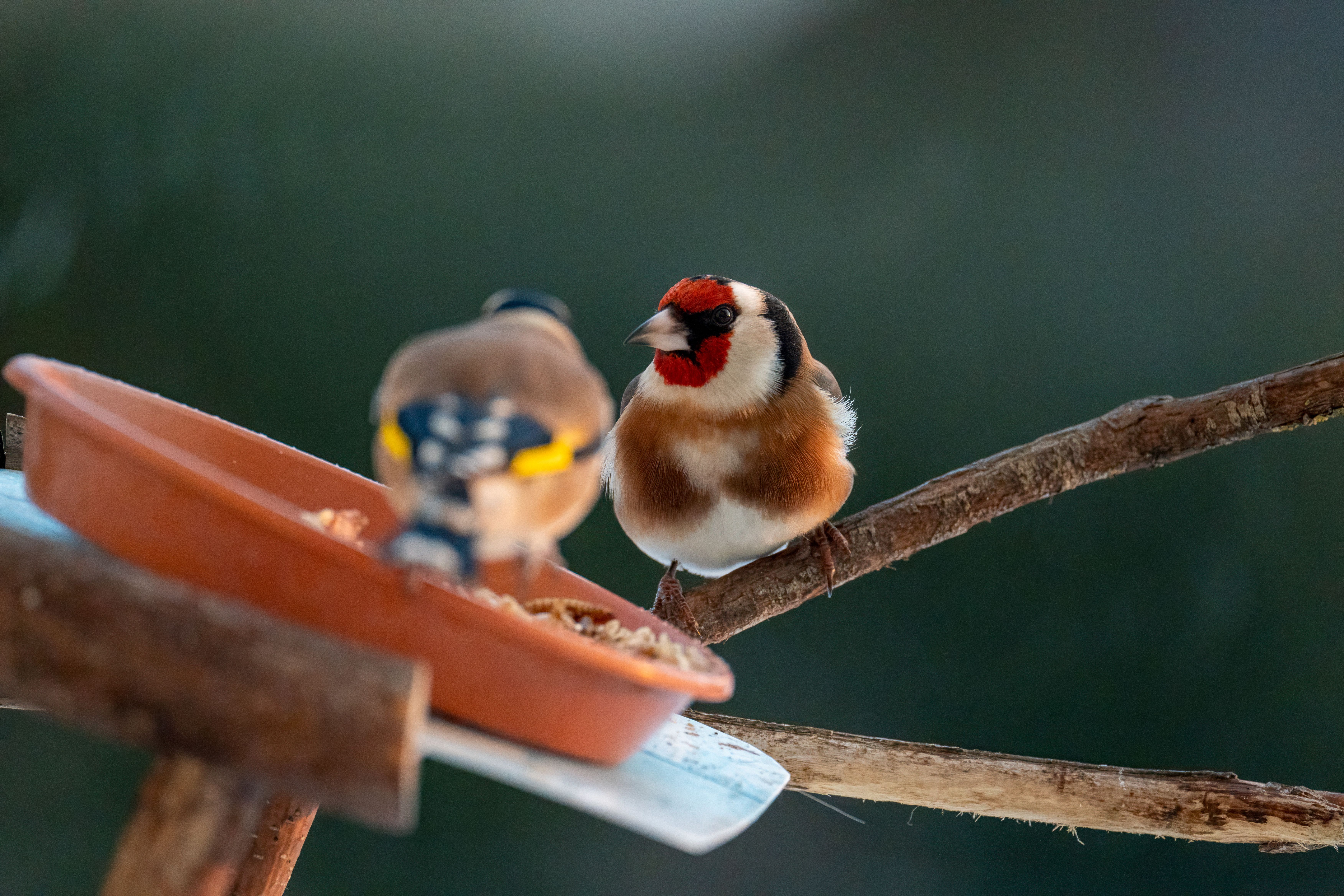
Discover the cutting-edge of backyard bird watching with our 2026 guide to smart bird feeders and AI bird identification technology. Compare top models, find the best deals, and learn how automated feeding and advanced species recognition are transforming your connection to nature, boosting citizen science, and enhancing conservation efforts. Perfect for bird enthusiasts looking to buy the ultimate wildlife camera, our review covers everything from premium features to budget-friendly options.
Introduction to the Topic
Imagine waking up to a notification on your smartphone: a vibrant Painted Bunting is visiting your backyard feeder. No more squinting through binoculars or flipping frantically through field guides. This isn't a scene from a futuristic movie; this is the reality of backyard bird watching in 2026, thanks to the incredible advancements in smart bird feeders and AI bird identification technology. For decades, bird watching has been a beloved pastime, connecting millions with the natural world. Now, a technological revolution is unfolding, making this hobby more accessible, educational, and engaging than ever before. Welcome to the era of automated feeding, high-definition wildlife cameras, and artificial intelligence that can instantly identify hundreds of bird species right from your desktop or mobile device. This guide will walk you through the essential features, top products, and future trends of this exciting new frontier, helping you choose the perfect smart bird feeder to transform your outdoor space into a vibrant, interactive nature sanctuary.
Backgrounds & Facts
The journey from traditional bird feeding to smart bird feeding has been rapid and transformative. Historically, attracting birds involved simple feeders and a keen eye. The early 2000s saw the advent of basic webcams pointed at feeders, offering a static glimpse. Fast forward to 2026, and the landscape is entirely different. The convergence of miniaturized high-resolution cameras, robust internet-of-things (IoT) connectivity, advanced solar power solutions, and sophisticated artificial intelligence has birthed a new category of wildlife observation tools.
These devices are more than just feeders with cameras; they are intelligent ecosystems. Most modern smart bird feeders feature integrated cameras capable of capturing stunning 1080p or even 4K video and high-resolution photos. Motion sensors trigger recordings, ensuring you never miss a visitor. The true magic, however, lies in the AI algorithms. These algorithms, trained on vast datasets of bird images and sounds, can identify species with remarkable accuracy, often distinguishing between subtle variations within a family. This data is then sent directly to your smartphone via a dedicated app, complete with species information, feeding patterns, and even local bird population trends.
The benefits extend beyond personal enjoyment. Smart feeders contribute significantly to citizen science. Every identified bird, every recorded visit, becomes a data point for ornithologists and conservationists. This aggregated data provides invaluable insights into migration patterns, population health, and the impact of environmental changes. This surge in data collection is critical for understanding and protecting avian biodiversity in an increasingly complex world. The market for these devices has exploded, with projections indicating continued exponential growth as technology becomes more affordable and user-friendly, making 2026 the prime year to invest in this innovative bird watching tech.
Expert Opinion / Analysis
We sat down with Dr. Aris Thorne, a leading ornithologist and AI ethics researcher at the Global Avian Institute, to discuss the impact of smart bird feeders. “These devices are a double-edged sword, but overwhelmingly positive,” Dr. Thorne states. “On one hand, they democratize ornithology, turning every backyard into a research station. The sheer volume of data being collected by citizen scientists is unprecedented and invaluable for conservation efforts. It's fostering a new generation of bird enthusiasts who feel more connected and informed about local wildlife.”
From an analytical perspective, Dr. Thorne highlights several key features that differentiate premium smart feeders. “Accuracy of the AI identification is paramount. Look for systems that boast a high percentage of correct identifications across a diverse range of species, and those that regularly update their AI models. Camera quality, especially in low light, and the field of view are also crucial for capturing clear, identifiable footage. Beyond that, consider the app experience – is it intuitive? Does it offer rich species information and easy sharing options? Battery life and power source are also critical; solar-powered options are generally superior for sustainability and convenience.”
However, Dr. Thorne also cautions about potential downsides. “We must be mindful of privacy concerns, both for the user and potentially for the birds. Ensure the device's security protocols are robust. There's also the ethical question of habituation – making birds overly reliant on artificial feeding. Responsible usage, such as offering a variety of natural food sources and not over-relying on seed, is vital. Ultimately, these tools should enhance, not replace, direct observation and a holistic understanding of avian ecology.” His advice to consumers looking to buy: “Prioritize reputable brands with strong community support and a commitment to ethical data use.”
💰 Best Options in Comparison (VERY IMPORTANT)
Choosing the right smart bird feeder in 2026 can be daunting with the array of options available. To help you make an informed decision and find the best deals, we've compared the top contenders, focusing on features that matter most to bird enthusiasts and citizen scientists alike. Whether you're a seasoned birder or just starting, there's a perfect smart feeder for your backyard.
- Netvue Birdfy AI (Pro Version): A perennial favorite, the 2026 Birdfy AI Pro boasts enhanced 4K camera resolution, improved night vision, and a more robust AI model capable of identifying over 1000 species. Its solar panel integration is seamless, offering continuous power. The app provides detailed species information, cloud storage options, and a vibrant community forum for sharing sightings. It's a premium choice for serious bird photographers and data collectors.
- Bird Buddy Gen 2: Building on its viral success, the Bird Buddy Gen 2 offers a sleeker design, significantly faster AI processing, and a new 'Birdsong ID' feature that identifies species by their calls. The modular design allows for easy cleaning and accessory upgrades, such as specialized feeders for suet or nectar. Its user-friendly app and focus on community sharing make it ideal for beginners and those prioritizing social interaction.
- FeederWatch Pro (Smart Edition): A newer entrant, the FeederWatch Pro emphasizes durability and advanced environmental sensors. Its rugged, squirrel-proof design, combined with a 2.5K camera, makes it perfect for challenging outdoor conditions. The AI not only identifies birds but also analyzes their behavior and even detects potential predators. It offers local storage expansion via an SD card and a subscription-free basic AI package, appealing to budget-conscious users seeking robust performance.
- Wingspan Connect Elite: Positioned as the ultimate smart feeder for the tech-savvy, the Wingspan Connect Elite integrates directly with smart home systems (Google Home, Alexa) and offers advanced features like personalized feeding schedules and custom alerts. Its dual-camera system provides both wide-angle and zoomed views, ensuring no detail is missed. The AI learns your local bird population, offering tailored insights and conservation tips.
To help you compare, here's a detailed HTML table:
| Feature | Netvue Birdfy AI Pro | Bird Buddy Gen 2 | FeederWatch Pro | Wingspan Connect Elite |
|---|---|---|---|---|
| Camera Resolution | 4K UHD | 1080p Full HD | 2.5K QHD | Dual 4K + 1080p Zoom |
| AI Species ID | >1000 species, highly accurate | >600 species + Birdsong ID | >800 species + Behavior Analysis | >1200 species, adaptive learning |
| Power Source | Integrated Solar Panel + Battery | Rechargeable Battery (Optional Solar) | Integrated Solar Panel + Battery | Integrated Solar Panel + Battery |
| Storage Options | Cloud (Subscription) + SD Card | Cloud (Subscription) | Local SD Card (Free AI) + Cloud (Optional) | Cloud (Subscription) + Local NAS/SD |
| Unique Features | Enhanced Night Vision, Community Forum | Modular Design, Birdsong ID, Social Sharing | Squirrel-Proof, Environmental Sensors, Predator Detection | Smart Home Integration, Personalized Feeding, Local Learning AI |
| Target User | Serious Birders, Photographers | Casual Birders, Social Sharers, Beginners | Practical Users, Budget-Conscious, Durability Seekers | Tech Enthusiasts, Smart Home Users |
| Price Range (approx.) | $$ (Premium) | $ (Mid-Range) | $ (Mid-Range, Good Value) | $$ (High-End) |
When considering your purchase, think about your primary needs. Do you want the highest resolution for stunning bird photography? Is community sharing important? Or do you prioritize durability and local storage? Many brands offer seasonal discounts and bundle deals, so keep an eye out for the best value. Investing in a quality smart bird feeder is an investment in endless hours of natural wonder and a meaningful contribution to avian conservation.
Outlook & Trends
The future of smart bird feeding and AI bird identification is incredibly promising and rapidly evolving. By 2026 and beyond, we can expect even more sophisticated AI models, capable of not just identifying species but also recognizing individual birds by their unique markings or patterns. Behavioral analysis will become standard, offering insights into mating rituals, territorial disputes, and feeding hierarchies, turning your feeder into a living laboratory.
Further integration with smart home ecosystems will allow for voice-activated commands, personalized bird sound alerts, and even automated adjustments to feeder settings based on local weather conditions. Augmented reality (AR) apps could overlay real-time information about birds directly onto your phone's camera feed, enhancing the educational experience. Imagine pointing your phone at a bird and seeing its migration path or conservation status instantly appear!
On the conservation front, expect more direct partnerships between smart feeder manufacturers and ornithological societies. Aggregated, anonymized data from millions of feeders could fuel unprecedented research into global avian health, disease tracking, and climate change impacts. The rise of modular and customizable smart feeders will allow users to adapt their setups for different bird types or seasonal needs, ensuring longevity and versatility. Moreover, ethical AI development will continue to be a focus, ensuring these technologies benefit both humans and wildlife responsibly. The smart feeder isn't just a gadget; it's a gateway to deeper understanding and connection with the natural world.
Conclusion
The revolution in smart bird feeders and AI bird identification has truly transformed backyard bird watching in 2026. These devices offer an unparalleled blend of convenience, education, and entertainment, bringing the vibrant world of avian wildlife directly to your screen. From high-definition cameras to advanced AI that identifies species and even analyzes behavior, the technology available today empowers enthusiasts to connect with nature on a deeper level and contribute meaningfully to citizen science efforts. Whether you're a seasoned birder seeking the ultimate wildlife camera or a curious newcomer looking to buy your first smart feeder, there's a perfect option waiting to unlock your backyard's secret world. Embrace this exciting technological leap, compare the best models, and start your journey into the future of bird watching. Your feathered friends – and your curiosity – will thank you for it.