
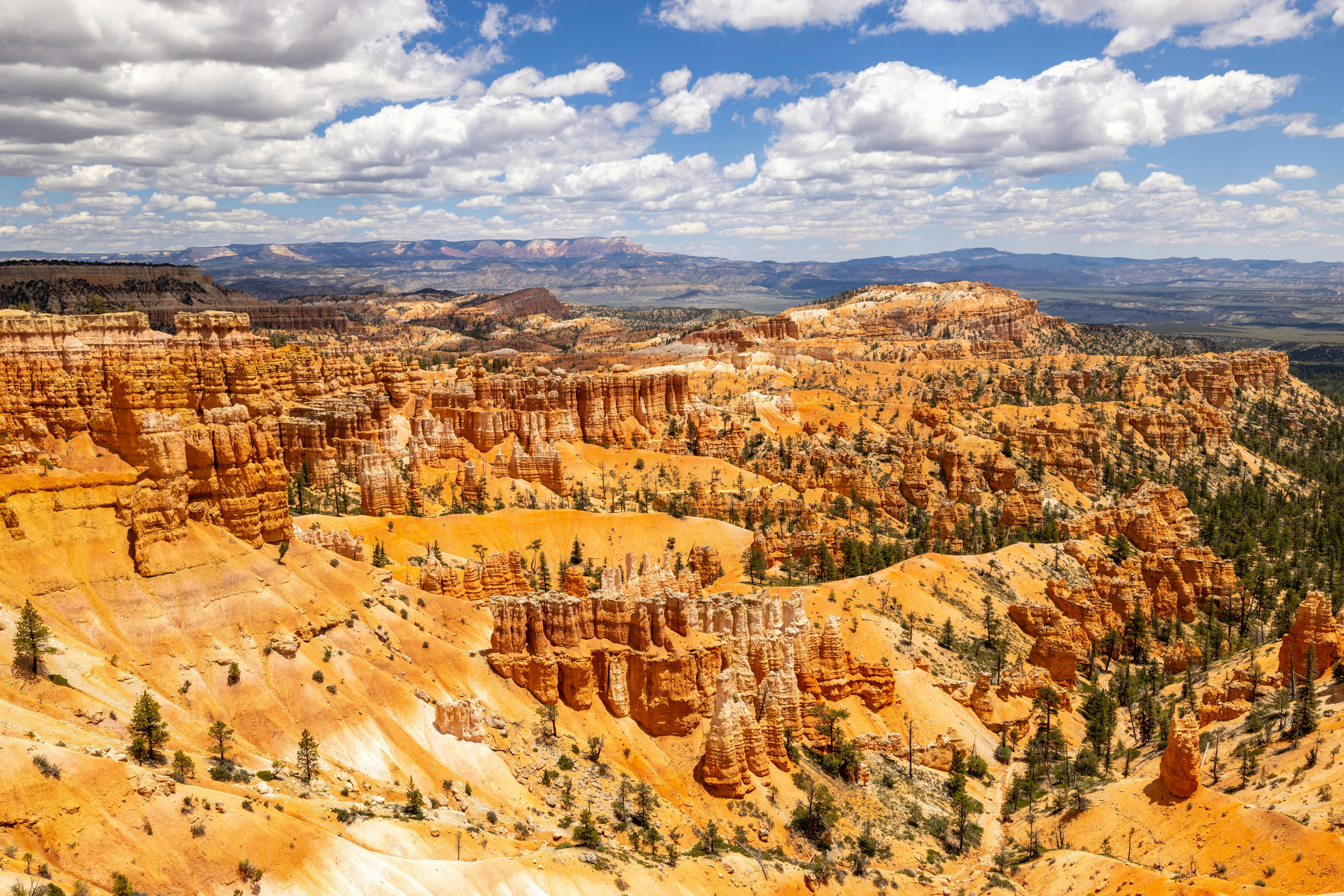
Navigating the increasingly complex world of National Park reservations in 2026 requires strategy. This comprehensive guide reveals expert tips, compares booking platforms, and highlights guaranteed access options to help you secure your dream adventure, from Yosemite permits to Zion shuttles. Discover how to book smarter, save money, and ensure your national park travel plans are set for success.
Introduction to the Topic
The allure of America’s National Parks is undeniable. Towering redwoods, majestic canyons, and pristine alpine lakes beckon millions of adventurers each year. However, as we step into 2026, the dream of spontaneous park exploration is increasingly a relic of the past. With record-breaking visitation levels and a growing emphasis on sustainable tourism, securing entry to popular parks has become a competitive sport. From timed entry permits for Glacier National Park’s Going-to-the-Sun Road to the lottery system for Zion’s Angels Landing, advanced planning isn't just recommended – it's mandatory. This year, more than ever, understanding the intricacies of the National Park reservation systems is key to unlocking your wilderness escape. Are you ready to crack the code and guarantee your adventure? Let's dive into the strategies, tools, and insider tips that will transform your park planning from frustrating to fantastic.
Backgrounds & Facts
The surge in National Park popularity, amplified by post-pandemic travel booms, has pushed park infrastructure and ecosystems to their limits. In response, the National Park Service (NPS) and Parks Canada have expanded and refined their reservation and timed-entry systems. By 2026, nearly a dozen of the most sought-after U.S. National Parks, including Yellowstone, Arches, Rocky Mountain, and Acadia, have implemented some form of advanced reservation for peak season access, specific trails, or even entire park entry. This isn't just about managing crowds; it's about preserving fragile environments, enhancing visitor experience, and ensuring safety.
Key Facts for 2026 Park Access:
- Increased Scarcity: Expect even tighter windows for securing permits and campsites, especially for iconic locations like Half Dome in Yosemite or The Wave in Arizona.
- Dynamic Pricing & Bundling: Some third-party providers and even park concessionaires are experimenting with dynamic pricing models for lodging and bundled experiences, requiring careful comparison.
- Digital-First Approach: Most reservations are exclusively online, often requiring you to be logged in and ready at a precise time, sometimes months in advance.
- Tiered Access: Many parks now differentiate between general entry, specific activity permits (e.g., backpacking), and popular scenic drives, each with its own booking requirements.
- Sustainability Focus: New regulations often prioritize public transit options within parks (e.g., Zion Canyon Shuttle) and encourage carpooling, making shuttle reservations as critical as entry permits.
Understanding these evolving landscapes is the first step towards a successful National Park adventure. The days of simply showing up are over; the era of strategic booking has arrived.
Expert Opinion / Analysis
“The game has changed,” asserts Dr. Eleanor Vance, a leading expert in sustainable tourism and park management. “What we’re seeing in 2026 is a necessary evolution. Parks are implementing sophisticated algorithms to manage visitor flow, protect resources, and distribute access equitably. The challenge for visitors is to adapt and leverage these systems.”
According to Vance, the biggest mistake travelers make is underestimating the competition. “Think of it like concert tickets for a sold-out show. You need to know the on-sale date, have your account ready, and be prepared to click the moment reservations drop. Waiting even five minutes can mean the difference between seeing Yosemite Valley and missing out entirely.”
Travel agent Michael Chen, specializing in adventure travel, adds, “Many clients come to me frustrated, having missed out on permits. My advice? Be flexible with your dates if possible, but more importantly, understand the different booking windows. Some permits release months in advance, others just days before your visit. There are also last-minute cancellation opportunities, but you need to be vigilant.”
Chen also highlights the growing role of technology. “Third-party alert services, while sometimes requiring a small fee, can be invaluable for snagging coveted spots that open up due to cancellations. Don’t dismiss the power of these tools; they can be a game-changer for those with busy schedules or specific travel dates.” The consensus among experts is clear: success in 2026 National Park booking hinges on preparation, persistence, and leveraging every available resource.
💰 Best Options in Comparison (VERY IMPORTANT)
Securing your National Park adventure in 2026 means choosing the right strategy for your travel style and budget. Here, we break down the best options, helping you compare and book with confidence.
- Option 1: Direct Official Park Reservations (NPS.gov / ParksCanada.ca)
This is your primary, most cost-effective route. Most timed-entry permits, shuttle tickets, and many campsite reservations are released on specific dates and times, often months in advance, via Recreation.gov (for U.S. parks) or the respective park's official website. You'll pay only the nominal entry or permit fee. Success here requires meticulous planning, setting calendar reminders, and being online precisely when reservations open. This option is ideal for budget-conscious, organized travelers who prefer to handle all logistics themselves. Be prepared for high competition, especially for peak season and popular destinations like Arches, Zion, or Rocky Mountain. - Option 2: All-Inclusive Tour Operators & Packaged Experiences
For those seeking guaranteed access, less planning stress, and a curated experience, reputable tour operators are an excellent choice. Companies like National Park Adventures Co. or Wilderness Expeditions often pre-purchase permits, secure lodging, and handle all transportation, allowing you to simply enjoy the journey. While significantly more expensive than DIY, these packages guarantee entry to otherwise hard-to-access areas and often include expert guides, meals, and unique activities. This is perfect for first-time visitors, families, or anyone who values convenience and a seamless experience. Look for operators with strong environmental commitments. - Option 3: Reservation Alert & Cancellation Tracking Services
Didn't snag that coveted Yosemite campsite or Zion Angels Landing permit? Don't despair! Services like Campnab, Arrive Outdoors (for gear rentals and some permits), or ParkNotifier specialize in monitoring cancellations and notifying you instantly when a spot opens up. These services typically charge a small subscription fee or a per-alert fee. While not guaranteed, they significantly increase your chances of securing a last-minute booking for high-demand areas. This option is best for flexible travelers, those who missed initial booking windows, or anyone looking for a spontaneous adventure. - Option 4: Off-Peak & Shoulder Season Strategies
Sometimes, the best booking strategy is to avoid the peak season altogether. Traveling during the shoulder seasons (spring and fall) or even the winter months (for parks accessible year-round) often means fewer crowds, easier permit acquisition, and potentially lower lodging costs. While weather can be more unpredictable, the trade-off is often a more serene, intimate park experience. Many parks relax or eliminate timed-entry requirements during these periods. This is ideal for adventurers seeking solitude, photographers, and budget travelers willing to embrace cooler temperatures or potential snow.
To help you decide which path is right for you, compare the key aspects of each booking strategy:
| Strategy/Platform | Pros | Cons | Best For | Cost Implication | Conversion Focus |
|---|---|---|---|---|---|
| Direct Official Sites (Recreation.gov, etc.) | Lowest base cost, full control, direct park support. | Extremely high competition, complex lottery systems, requires strict timing. | DIY travelers, budget-conscious, those with flexible schedules. | Low (entry/permit fees only). | Book Directly Now! |
| Guided Tour Operators (e.g., National Park Adventures Co.) | Guaranteed entry, all logistics handled, expert guides, curated experiences. | Higher cost, less flexibility, group travel. | First-timers, convenience seekers, families, those wanting a stress-free trip. | High (all-inclusive package price). | Explore Tour Packages! |
| Reservation Alert & Cancellation Trackers (e.g., Campnab) | Notifies openings, saves time monitoring, good for last-minute spots. | Subscription cost, still need to book quickly, no guarantee. | Flexible travelers, busy individuals, those who missed initial drops. | Moderate (subscription + ticket). | Get Park Alerts Today! |
| Off-Peak & Shoulder Season Travel | Fewer crowds, easier booking, often lower lodging costs, unique experiences. | Weather variability, some services may be limited. | Adventurous, budget-friendly, seeking solitude, photographers. | Low (potentially cheaper stays). | Plan Your Off-Peak Trip! |
Outlook & Trends
Looking ahead to the rest of 2026 and beyond, the trend towards managed access in National Parks is only expected to intensify. We anticipate further integration of AI-driven booking systems to optimize visitor flow and reduce environmental impact. Expect more parks to adopt tiered pricing based on demand, similar to airline models, and potentially personalized recommendations for less-visited areas to redistribute crowds.
The push for sustainability will also mean an increased focus on public transportation within and around parks. Expect more robust shuttle services, potentially even electric autonomous vehicles in some areas, and stricter regulations on private vehicle access during peak times. The 'National Park Pass' might evolve to include not just entry but also reserved spots on popular shuttles or even specific trail access.
Furthermore, technology will play a crucial role in enhancing the visitor experience beyond just booking. Augmented reality (AR) apps providing real-time trail conditions, interactive maps, and educational content are becoming more prevalent. The future of National Park travel is one of informed, responsible exploration, where digital tools are not just for booking, but for enriching every step of your journey.
Conclusion
In 2026, the dream of a National Park adventure is alive and well, but it requires a strategic approach. Gone are the days of last-minute whims for the most popular destinations; now, it’s about proactive planning, smart booking, and leveraging the right tools. Whether you’re a seasoned park hopper or planning your first wilderness escape, understanding the reservation systems, comparing your options, and acting decisively are paramount.
Don't let the complexities deter you. With the insights provided in this guide – from mastering direct bookings and exploring all-inclusive tours to utilizing alert services and embracing off-peak travel – you are now equipped to navigate the competitive landscape. Choose your strategy, mark your calendars, and prepare to secure your unforgettable National Park experience. Your adventure awaits – don't miss out, book smart, and make those 2026 memories happen!