
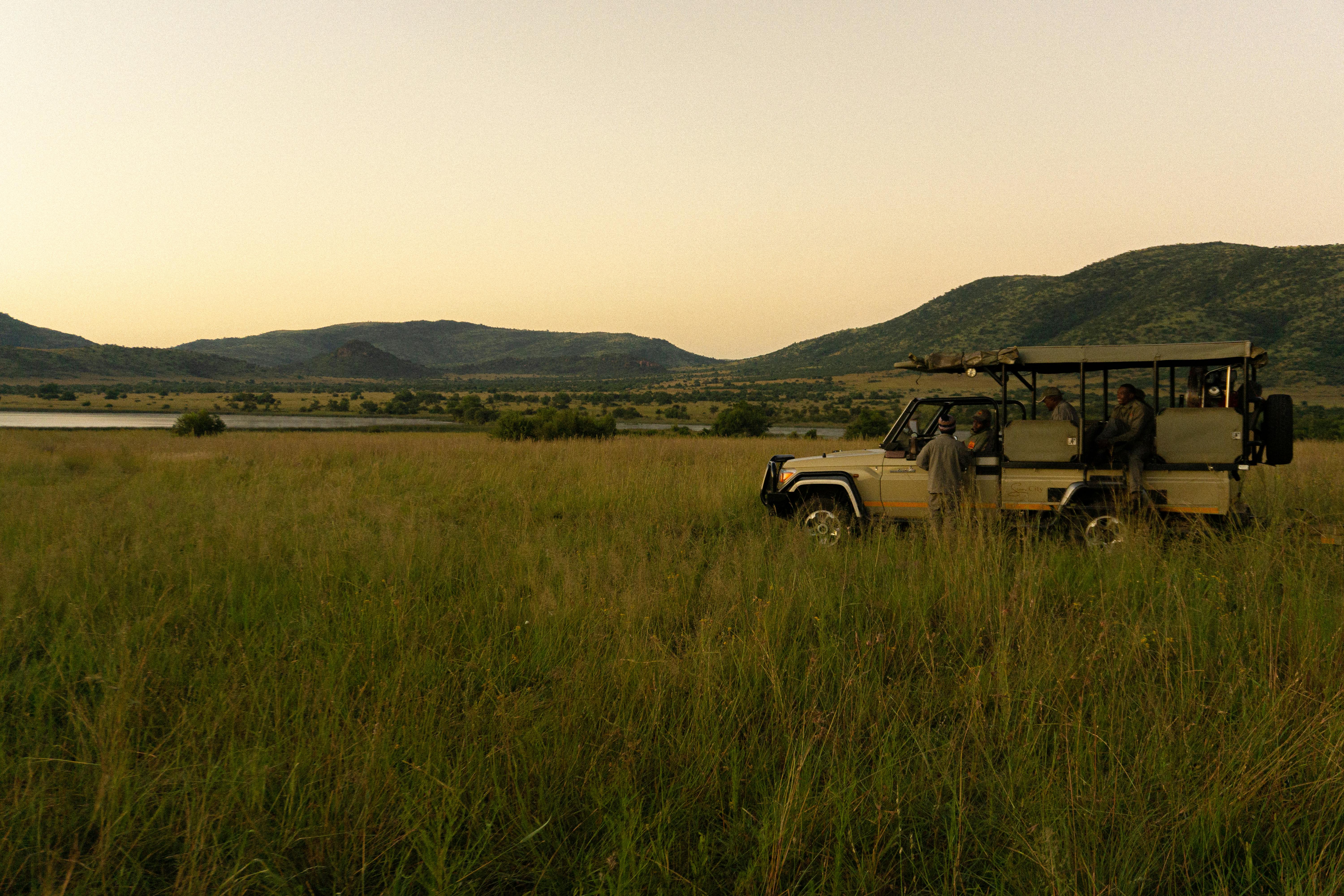
In 2026, the discerning traveler seeks more than just sightseeing; they crave purpose. Discover how sustainable luxury safaris and groundbreaking rewilding experiences are redefining African adventures, offering unparalleled wildlife encounters coupled with profound environmental and community impact. Explore the best eco-luxury options, compare ethical tour operators, and learn how your next safari can actively contribute to a thriving planet.
Introduction to the Topic
Welcome to 2026, where the landscape of luxury travel has fundamentally shifted. The days of simply observing from afar are giving way to an era of active participation and meaningful impact. For those dreaming of an African safari, this evolution is particularly exciting. No longer is it enough to simply witness the majestic Big Five; today’s conscious traveler demands an experience that is not only opulent and unforgettable but also deeply sustainable and regenerative. This year, tamingtiger.com invites you to delve into the world of sustainable luxury safaris and the burgeoning trend of rewilding adventures – journeys designed to enrich your soul while actively contributing to the planet's health.
Imagine waking to the calls of the wild, knowing your presence directly funds anti-poaching units, empowers local communities, and restores vital ecosystems. This isn't just a fantasy; it's the reality of 2026's premier safari experiences. As global awareness of environmental challenges intensifies, the travel industry has responded with innovative models that integrate high-end comfort with genuine conservation efforts. Our guide will navigate this exciting new frontier, helping you identify the tours that promise breathtaking wildlife encounters, unparalleled service, and a legacy of positive change.
Backgrounds & Facts
The urgency of conservation has never been greater. In 2026, with climate change impacts increasingly visible and biodiversity loss accelerating, travelers are more educated and ethically driven than ever before. This has spurred a significant demand for what we call the 'regenerative traveler' – individuals who seek to leave a place better than they found it. For the safari industry, this translates into a pivot towards genuinely sustainable practices, moving beyond mere 'greenwashing' to verifiable, impactful initiatives.
A truly sustainable safari in 2026 encompasses several key pillars: significant investment in local communities through employment and enterprise development; rigorous adherence to ethical wildlife viewing protocols; minimal environmental footprint through renewable energy, waste reduction, and water conservation; and transparent contributions to conservation projects. Many leading operators now achieve carbon-neutral or even carbon-positive status, offsetting their emissions and actively sequestering carbon through reforestation and habitat restoration.
Beyond sustainability, rewilding experiences represent the next frontier. Rewilding is the large-scale restoration of ecosystems to the point where nature can take care of itself. In a safari context, this means participating in or directly funding projects that reintroduce key species (e.g., rhinos, wild dogs, pangolins), restore degraded habitats, and expand protected areas. It’s about more than just seeing wildlife; it’s about being part of its resurgence. These tours often offer unique opportunities for hands-on involvement, from tracking and monitoring to habitat restoration, providing an unparalleled sense of purpose and connection to the wild. The economic benefits for host nations are substantial, as these high-value, low-impact tours attract significant foreign investment and create sustainable livelihoods, proving that luxury and conservation can indeed thrive together.
Expert Opinion / Analysis
Dr. Anya Sharma, a leading ecotourism strategist at the Global Wildlife Trust, emphasizes the transformative power of this trend. “In 2026, the safari industry isn’t just about showcasing nature; it’s about saving it. The rise of conscious luxury and rewilding isn't a niche; it’s becoming the expectation. Travelers are increasingly savvy, demanding transparency and tangible proof of impact for their investment. This pressure is driving innovation, pushing operators to adopt cutting-edge conservation technologies and genuinely empower local communities.”
Dr. Sharma points out that while the opportunities are immense, challenges remain. “The biggest hurdle is distinguishing genuine impact from clever marketing. Travelers must look for third-party certifications, transparent financial reporting on conservation contributions, and clear evidence of local community benefits. However, the future is bright. We’re seeing incredible advancements, from AI-powered tracking systems that enhance anti-poaching efforts to blockchain technology ensuring that every dollar contributed to conservation is traceable and accountable. These innovations are not only making safaris safer and more immersive but also more effective as conservation tools.”
The analysis reveals a growing trend where luxury is redefined not by extravagance alone, but by exclusivity, authenticity, and the profound personal impact of contributing to something greater. The feeling of witnessing a rewilded species thrive, knowing your journey made it possible, is the ultimate luxury for the 2026 traveler.
💰 Best Options in Comparison (VERY IMPORTANT)
Choosing the right sustainable luxury safari or rewilding adventure in 2026 can be daunting, given the array of options. To help you make an informed decision, we've identified three distinct types of experiences that cater to different preferences, all while upholding the highest standards of impact and luxury.
-
Legacy Impact Private Reserve Safari: The Pinnacle of Exclusive Conservation
These ultra-exclusive safaris operate within vast private conservation areas, often owned or managed by philanthropic entities or high-net-worth individuals dedicated to large-scale ecosystem protection. They offer unparalleled privacy, bespoke itineraries, and direct, significant contributions to anti-poaching, species reintroduction, and extensive community development projects. Expect world-class guides, gourmet dining, and lavish accommodations in pristine wilderness. Your journey here is an investment in a living legacy.
Ideal for: Discerning luxury travelers seeking profound, private impact and an unparalleled level of service.
-
Community & Conservation Eco-Lodge Experience: Authentic Engagement with Purpose
Based in community-owned conservancies (like those adjacent to the Maasai Mara or Serengeti), these experiences blend sustainable luxury with deep cultural immersion and direct local empowerment. Lodges are often co-managed with local communities, ensuring a significant portion of revenue benefits residents through education, healthcare, and sustainable enterprise. While still luxurious, the focus is on authentic connection, walking safaris, and understanding the intricate relationship between people and wildlife.
Ideal for: Culturally curious, ethically minded travelers seeking balanced luxury, community engagement, and a strong local connection.
-
Hands-On Rewilding Expedition: Active Participation in Nature's Comeback
For the adventurous and impact-driven, these expeditions offer a unique opportunity to actively participate in conservation projects. You might join field researchers in tracking reintroduced species, assist in habitat restoration, or engage in citizen science initiatives. The luxury here is found in the depth of immersion and the profound sense of contribution, rather than traditional amenities. Accommodations range from comfortable eco-camps to remote research stations, prioritizing proximity to the conservation work.
Ideal for: Adventurous, hands-on travelers eager for active contribution, learning, and a deeper understanding of conservation science.
To help you compare, here’s a quick overview:
| Feature | Legacy Impact Private Reserve Safari | Community & Conservation Eco-Lodge | Hands-On Rewilding Expedition |
|---|---|---|---|
| Price Range | $$$ (Ultra-Premium) | $$ (Premium) | $$ (High-End Adventure) |
| Impact Focus | Large-scale ecosystem protection, rare species, anti-poaching, community development | Local empowerment, cultural preservation, sustainable land use | Direct participation in species reintroduction, habitat restoration, citizen science |
| Typical Destinations | Southern Africa (Botswana, South Africa, Zimbabwe), East Africa (Kenya, Tanzania) | East Africa (Kenya, Tanzania), parts of Southern Africa | Remote wilderness areas globally (Africa, South America, Europe, Asia) |
| Key Experience | Exclusive game drives, private guides, luxury amenities, profound direct impact | Authentic cultural immersion, walking safaris, community visits, strong local connection | Tracking, monitoring, field work alongside conservationists, habitat restoration |
| Ideal Traveler | Discerning luxury traveler seeking profound, private impact | Culturally curious, ethically minded traveler seeking balanced luxury & community engagement | Adventurous, hands-on traveler eager for active contribution & learning |
Outlook & Trends
Looking ahead to the rest of 2026 and beyond, the sustainable luxury safari and rewilding sectors are poised for significant expansion and innovation. We anticipate further integration of cutting-edge technology: think AI-driven predictive analytics for wildlife movements, personalized impact dashboards for travelers detailing their exact contribution, and even augmented reality experiences that enhance understanding of ecosystems without physical intrusion. The concept of 'carbon-positive' travel, where a trip actively removes more carbon from the atmosphere than it generates, will become a benchmark for leading operators.
Rewilding initiatives are also expected to expand beyond traditional African safari destinations, with projects gaining traction in Europe, Asia, and the Americas, offering new frontiers for impactful travel. Furthermore, the role of local communities will become even more central, with models of co-ownership and indigenous leadership becoming the gold standard. The ultimate trend is a complete paradigm shift: travel is no longer just consumption, but a powerful force for global regeneration, where every journey contributes to a healthier, wilder planet.
Conclusion
In 2026, a safari is more than a vacation; it's a statement. It’s a commitment to a future where luxury and conservation are not just compatible but inseparable. By choosing a sustainable luxury safari or a hands-on rewilding adventure, you're not just booking a trip; you're investing in the planet’s future, empowering communities, and creating a legacy of positive change. The wild is calling, and with these impactful options, you can answer that call with purpose and unparalleled style. Explore the options, compare the experiences, and embark on a journey that truly makes a difference. Your ultimate adventure awaits, promising not just memories, but a meaningful impact that resonates long after you've returned home.